
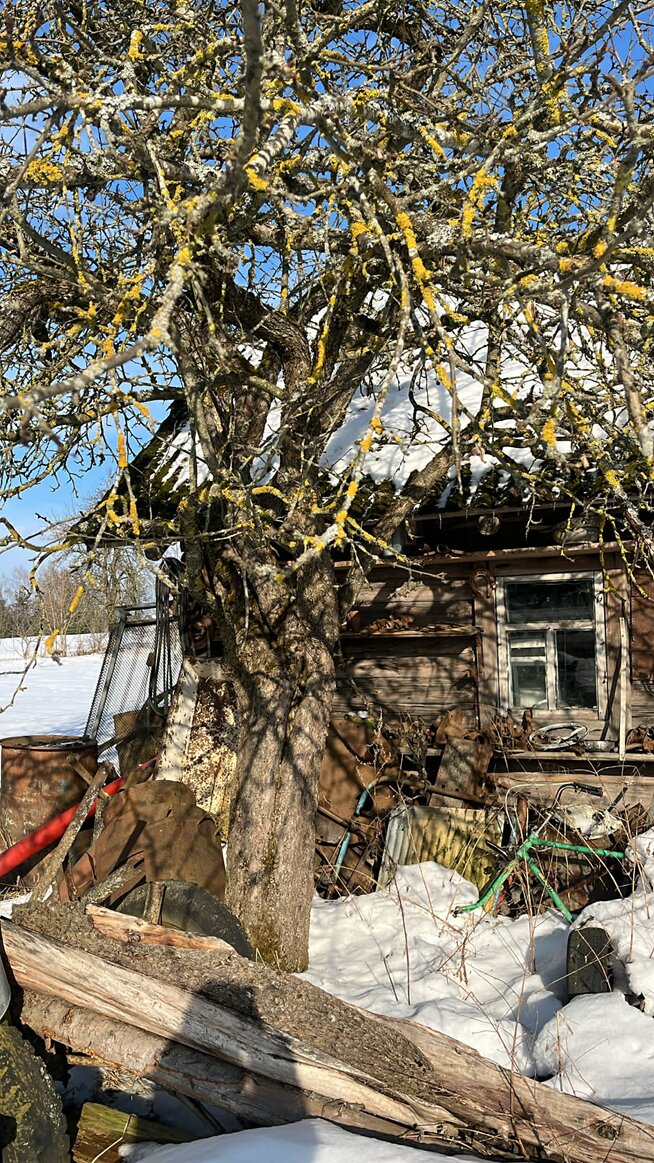
A relic beneath the old apple tree
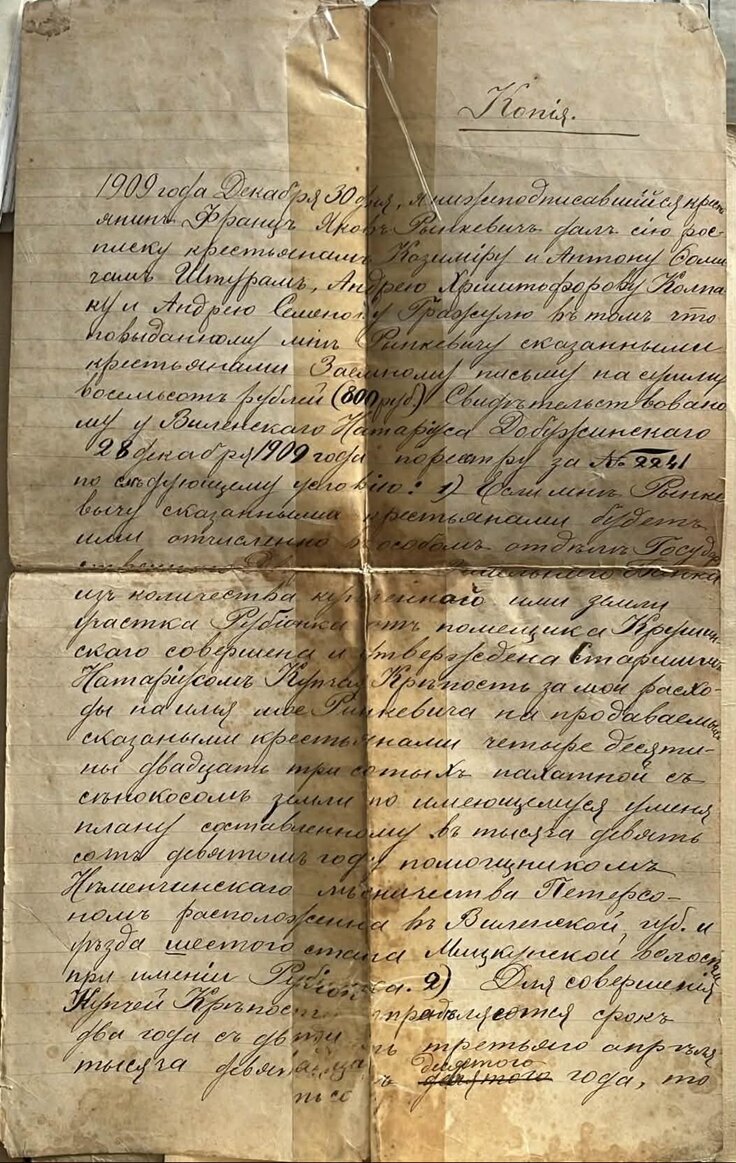
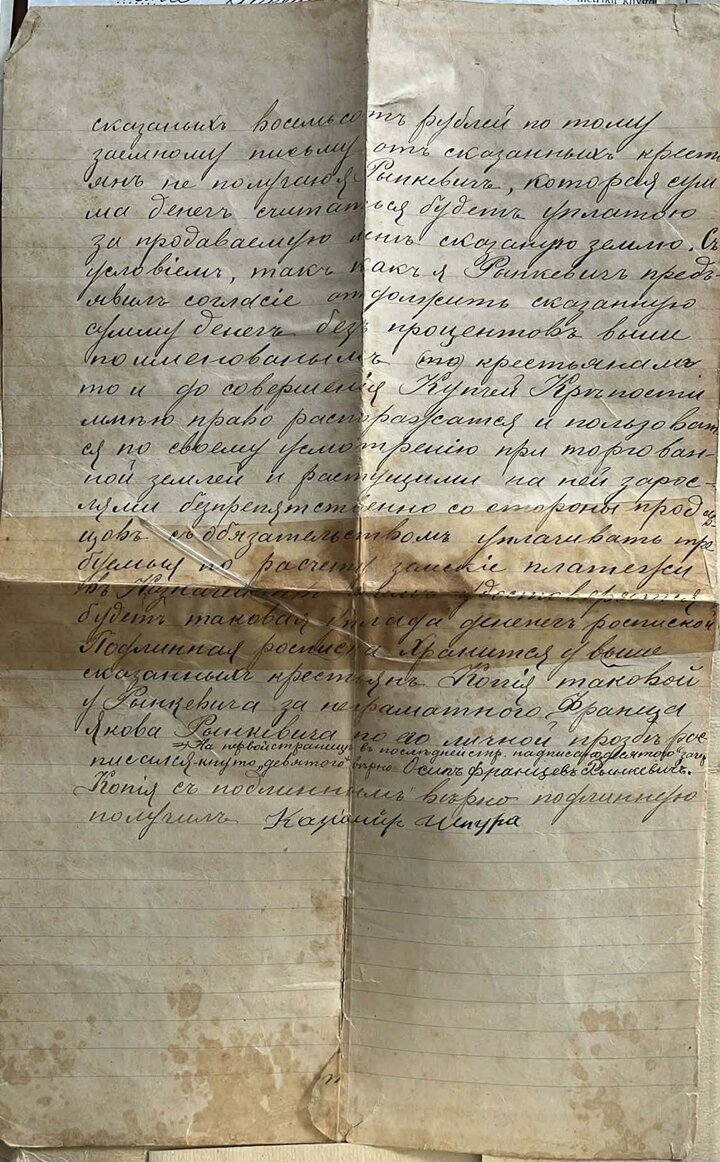
There are no gold or precious stones in our home. No silverware or works of art. However, there is an old grey folder, tied with a faded ribbon. On its cover is a nearly vanished date: 1909. In my childhood, these were just yellow papers for me. My grandmother would not let me touch them, repeating: “These are not documents. These are our roots. Only later I understood that sometimes a few sheets of can be stronger than the entire power of a state…
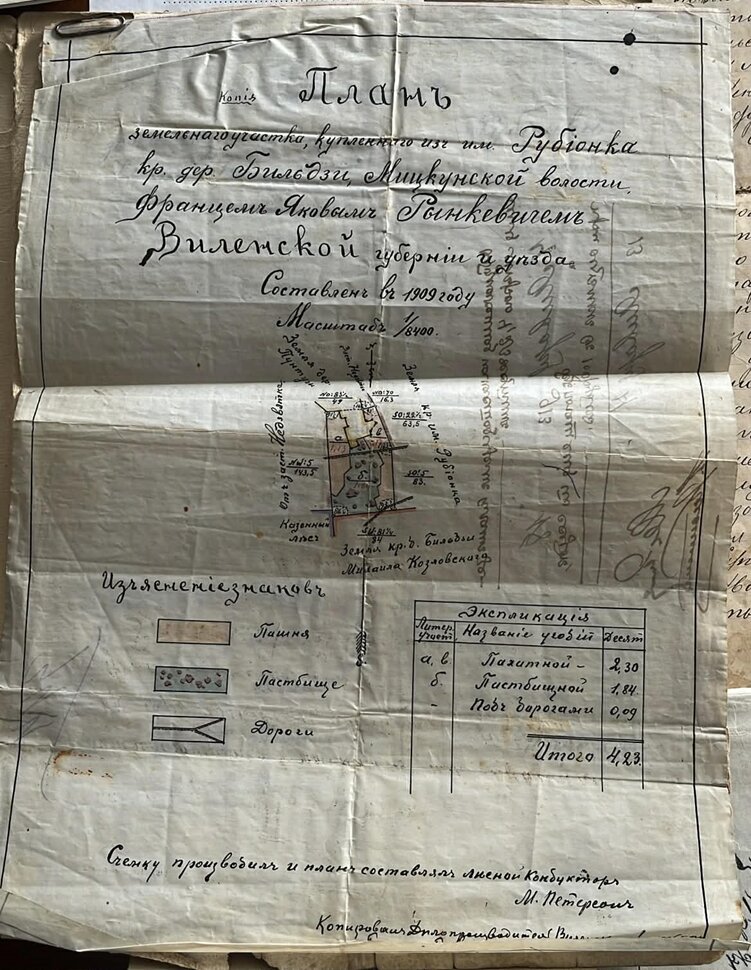
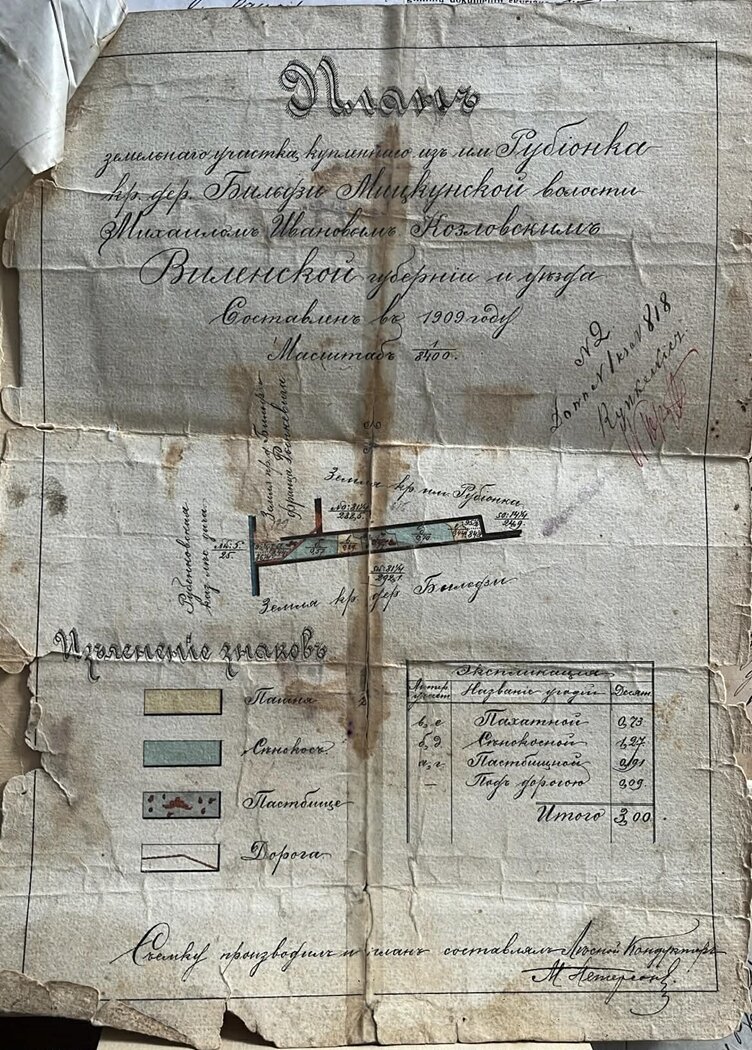
In the early 20th century, our great-great-grandfather Jozef received official ownership documents from the Tsarist authorities. They stated that He owned land, a wooden house, a barn and an apple orchard. Everything was marked with stamps, signatures and numbers. It was a simple formality, proof that a man can work his land and be its owner. No one imagined that those papers would become our weapon against history.
In 1940, the Soviet Union occupied Lithuania. Soviet officials arrived in the village. They announced that private property would be abolished and the land was being handed over to the collective farm. My great-great-grandfather remained silent, but one officer approached him and asked:
–Do you understand that from now on, this land belongs to the state?
My great-great-grandfather replied:
–I understand that you can take away, but it does not change the truth, that it was mine, my father’s and my grandfather’s.
The officer only laughed:
–History is written by those who have power.
That evening, my great-great-grandfather took the documents down from the wall. At night, while the whole village slept, he went into the orchard. Under the old apple tree that his father had planted, he dug a deep hole. The soil was hard and his hands were trembling, but he dug persistently. He wrapped the documents in canvas, put them in a metal box and buried them. His hands were bloody and the soil was cold, but he dug silently, as if he was hiding not just papers, but the entire future of the family. It was a silent rebellion – without weapons, without shouting, only with hope. Shortly after, he was called in for „questioning”. He was warned not to resist. But he never spoke a word about the hidden documents.
In the spring of 1948, the village was awakened by the roar of trucks, screams and crying…. Families were roused by shouting and were told to prepare in minutes, mothers cried, grandparents knelt. My great-grandfather, then was just a boy, watched as his friends and his family lost their home in minutes and were deported to Siberia. That night, for the first time he felt that a home does not always mean safety. He felt fear – not for the land, but because at any night, their turn could come. He watched his father’s face and saw for the first time that even strong men feel fear. My great-grandfather’s hands shook, but my great-great-grandfathers stood straight – like a tree against a storm. He never told the secret of the buried documents. My great-great-grandfather remained silent even when fear was stronger than words…
Years passed. The house became a warehouse; the orchard became part of the collective farm. My great-grandfather grew up with constant feeling that something had been stolen from them. He did not know about the box under the apple tree, but he sensed that his father was protecting something. He often saw him standing for a long time under the same tree, staring silently at the ground. It seemed to my great- grandfather that buried below was not just land – but their dignity.
In 1972, my great-great-grandfather became seriously ill. Laying in bed, already weak, he called for my great-grandfather. His voice was quiet but firm:
–Underneath the apple tree. A metal box. There – is our land. When freedom comes, dig it up.
That was his last secret. He died a few days later, never living to see an independent Lithuania…
In 1990, Lithuania restored its independence. Reclamation of land had begun. Many had no documents – archives had been destroyed, facts erased. Then my great-grandfather remembered those words... One evening, he went to the apple tree and began digging. As he dug, he felt his heart pounding and his hands shaking – this time not from fear, but from excitement. The box was exactly where it was said it is going to be. Rusted, but preserved the most important thing – yellowed but clear documents with the 1909 date and stamps.
Those papers became our family’s salvation. They proved that the land rightfully belonged to us as far back as 1909. After long processes, part of it was returned. However, the man who saved it never got to see it… Now, that grey folder is kept in our home. Sometimes I open it and think about the brave man who, even in the darkest times, believed that history does not end with occupation, who believed in a future he would not live to see. His faith was stronger than occupation, stronger than fear and stronger than time. These papers are more than just legal proof of ownership. They are symbols of courage, patience and silence. They are a quiet reminder that even when everything is taken away, a person can still preserve their truth, their family’s honor and their future. By holding these documents in my hands, I realize that true relics are not shiny objects. They are the choices people make in the darkest times. My great-great-grandfather did not bury only papers. He buried faith and hope, that even if justice is temporarily silenced, it will be dug up one day. And when we opened that box, we did not just dig up documents – we liberated his hope and dream that became our freedom and future.
And every time that I stand under the old apple tree, I understand land can be seized, homes can be destroyed, people can be sent away. But if memory and courage to protect it lives on, the family remains. I wonder sometimes, maybe true relics are not things at all. Perhaps they are human stubbornness to never give up. When someone says that old things are just dust and the past, I remember the metal box under the apple tree.