
The Guardian of us all
About the Creator
My name is Teodora and i am 16 years old.I come from a modest family and i am trying to make my way through life.I hope you will enjoy my family story and will continue to tell it to others.Have a blessed life!
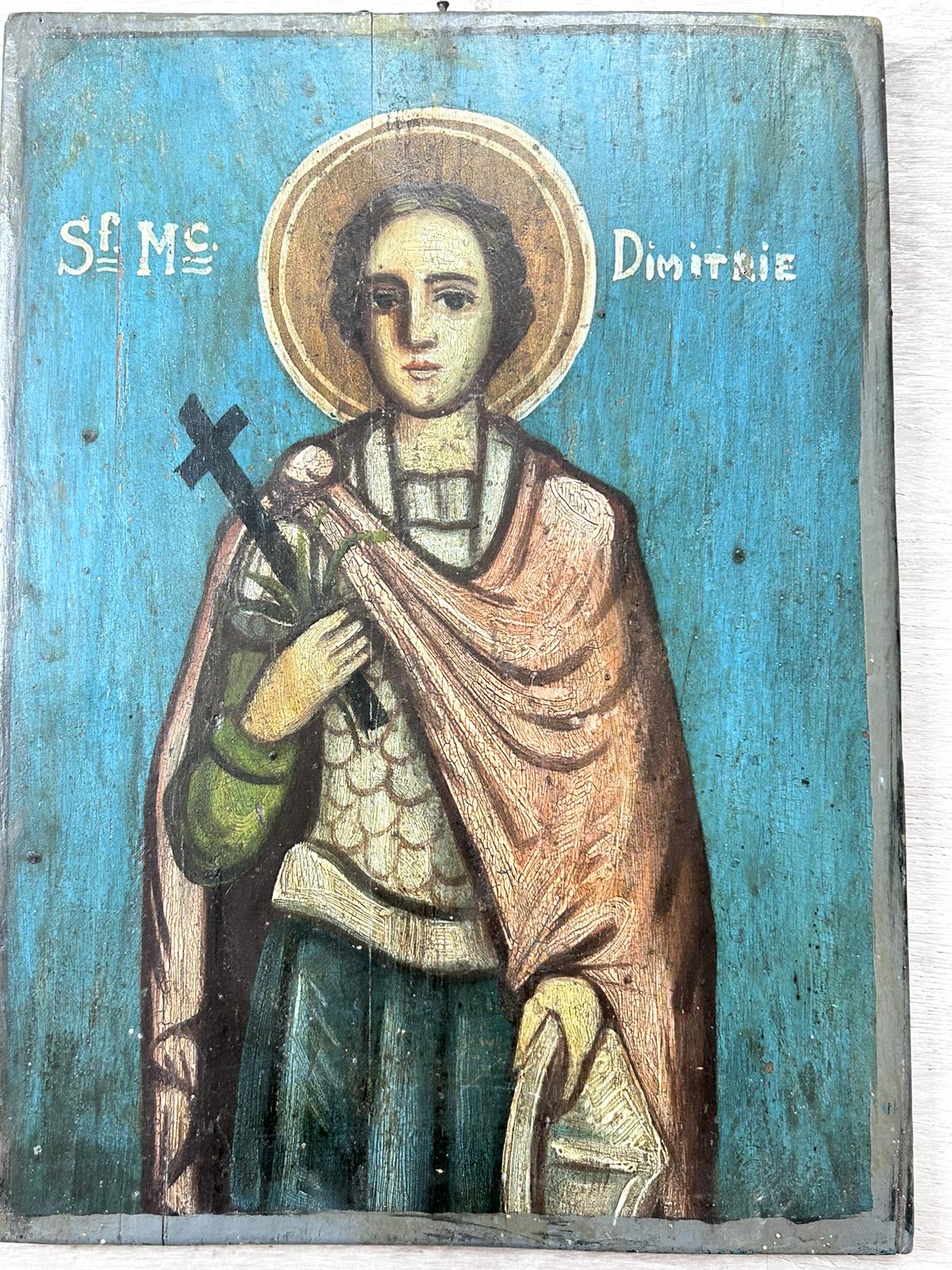
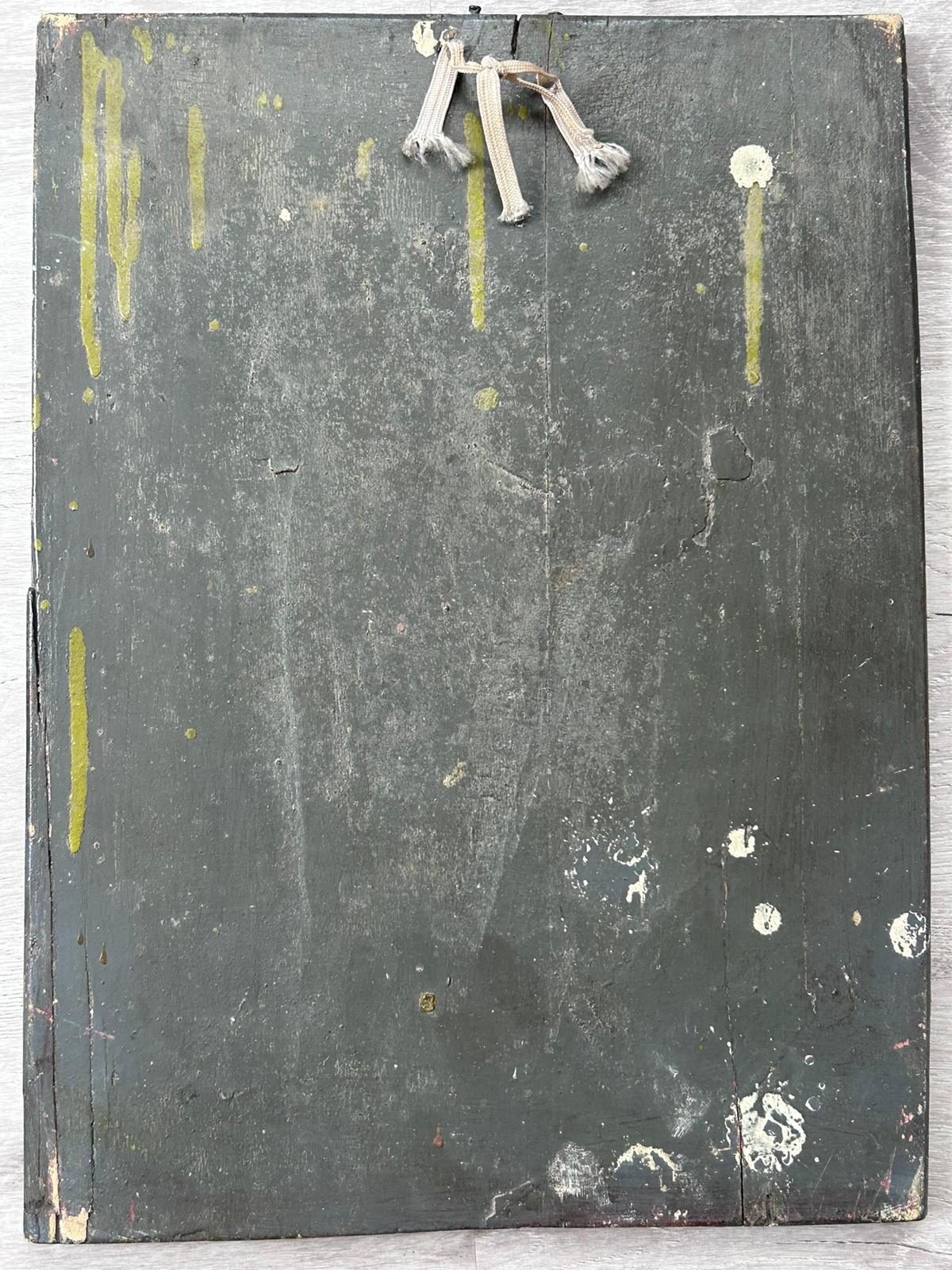
Sometimes, it feels as though all your strength is utterly powerless in the face of evil. And although we are accustomed to fighting, striving to uphold justice, success often eludes us. This is the story of an ancient icon, which has faithfully protected my family for 116 years, and continues to do so even today. This remarkable icon originated in Vologda, Russia, in the year 1910.
At the time, great-great-grandfather, Gostislav, had fallen gravely ill, and, deeply concerned for his well-being, he entrusted his acquaintances in Russia with a very special task.He commissioned them to procure a meticulously hand-painted icon, created by the most esteemed painter of that era, renowned for his skill and devotion. The icon depicted Saint Demetrius, who, by a beautiful coincidence of fate, bore the same name as my great-great-grandfathers father. As he made his way home with the icon, my great-great-grandfather's health began to falter, yet he clung to life. He endured, not for himself. but for his child, Alexander, and to witness the tremors of a world on the brink of the First World War, a war in which he would later fight.
Time, however, is merciless, and by the time Alexander had grown into a young man, my great-great-grandfather had passed away, entrusting the sacred icon into his son's hands. But the story of the icon was far from over. Its journey wove itself into the very fabric of history. During the Second World War, Alexander carried it with him into the chaos and horrors of battle, insisting that he would need the guidance of his ancestors and the protective power of the icon to confront the forces of evil that threatened to consume the world.
The course of events changed dramatically when communism began to take a firm hold in Romania. Icons and religious practice became not only controversial but, in many ways, a source of shame, as the communist regime vehemently opposed the public display of faith and the encouragement of religious beliefs. Religion, once a cherished part of daily life, was now pushed into the shadows, and sacred objects like the icon my family had guarded for generations were treated with suspicion. What had once been a symbol of protection and devotion became something that had to be hidden, away from prying eyes and the scrutiny of the state.
This, of course, happened because, during the communist period, icons and religion were not tolerated, as they represented a spiritual and cultural authority that existed independently of the state Communism promoted atheism and rationalism, viewing religious faith as a relic of the past and an obstacle to social and political progress. Icons, churches, and priests were seen as potential centers of opposition or as wielding independent influence over the people. By banning icons and religious symbols, the communists sought to replace belief in God with unwavering faith in the party's ideology, attempting to exert total control over the minds of the population.
Thus, for the first time, out of fear, Alexander took the icon from the head of his bed and carefully hid it in a locked drawer, the same drawer where he kept money saved for hard times, a few precious jewelry pieces, and important documents. The sadness was not only visible on the faces of the adults; even my grandfather, who was already a grown man, felt a deep sense of injustice and anger. He could not understand why the protector of their home had to be confined to a drawer and left there, powerless. Who were these communists, and why were they taking the peace and security from their family? Yet, my great-grandfather, already old and wise,
offered a different lesson. He explained that sometimes, in life, you cannot do what you want; you must do what is necessary, even if it goes against your wishes. This quiet act of hiding the icon became a lesson in understanding the harsh realities of the world.
Time passed and my grandfather was left fatherless. caught in the fury of communism. Romania was tense and oppressive. People constantly felt the weight of the regime, as Ceausescu's decisions touched every aspect of daily life the rationing of food, shortages of consumer goods, restrictive measures, and megalomaniac projects that destroyed entire neighborhoods and displaced communities. Citizens lived with frustration, insecurity, and a profound lack of control over their own lives. The atmosphere was tense not only politically, but also socially and emotionally, because every decision of the regime could radically alter homes, communities, and the futures of ordinary people. And yet,the icon remained, quietly tucked away in its drawer. From time to time, my grandfather would take it out to dust it off, his tears always dampening its surface before he carefully placed it back inside. Everything changed dramatically in December 1989 People began to take to the streets, timidly at first, but soon the protests erupted in major cities. with street clashes and cries for freedom. By December 22, the communist regime had fallen, along with the ousting of Romania's president. In a single day, fear and absolute control vanished, and for the first time in many years, people felt they could breathe freely, speak their minds, and believe that their lives could change. It was the beginning of a new Romania, full of hope and courage.
Then, after everyone had watched the events unfold on television with bated breath, my grandfather, for the first time in twenty-seven years, removed the icon from the drawer and placed it once again at the head of the bed.
Today, it resides in my home, in the care of me and my parents, and we tend to it with utmost reverence, ensuring that this sacred relic remains preserved for generations to come. The icon is more than a religious object, it is a tangible link to my family's legacy, a silent guardian that had watched over generations, quietly lending strength when all hope seemed lost.