
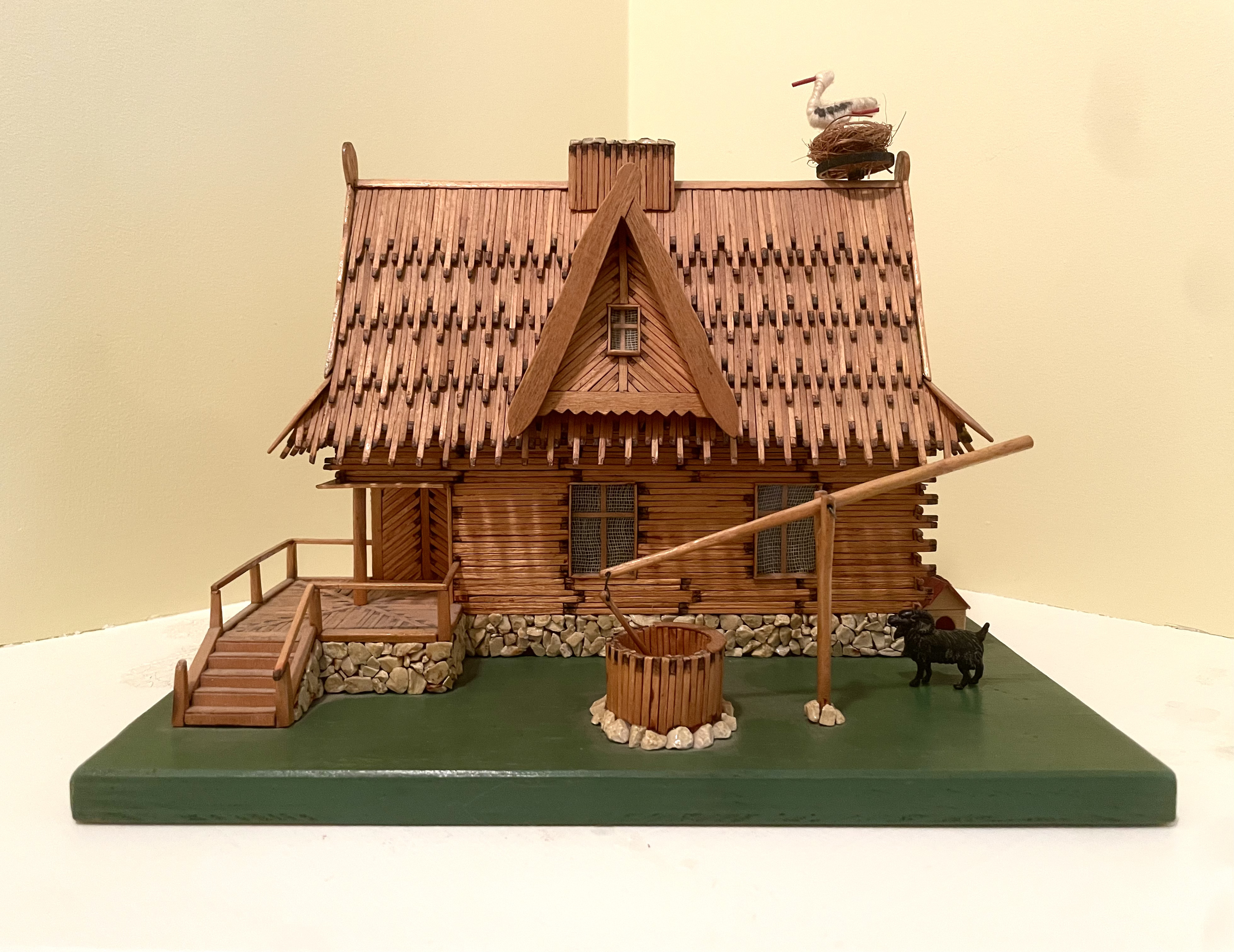
The Match House: My Father’s Journey to Canada
About the Creator
My father sponsored me and my daughter to come to Canada. I love both Canada and Poland. The older I get, the more I get involved with my polish heritage. I am a programmer of the polish radio and spend time educating people about my culture.
“Wake up, wake up”! – banging on the front door woke them up. Downstairs stood a sympathetic Russian soldier. “I came to worn you. You are on the list! They are already watching your house so no time to escape. Pack warm cloths for you and the kids and some food because you may have to stay there for a while. They will be shipping your family to Siberia early morning, so no time to waste”.
That’s how my father Wiktor’s stories always begun. Early spring, 1940, he, at the age of two, along with his parents and baby brother, were shipped to Siberia where he spent the next six years of his childhood. After weeks of exhausting travels, they were unloaded and put to work digging their underground accommodation. His brother did not survive as he got pneumonia from a drafty and cold cattle wagon. His passing was another challenge for the young family.
For the first two years, families were allowed to stay together and then men were moved to another work camp. My father’s first memories were from the time when it was just him and his baby sister, born in Siberia in 1942. Wiktor told me that he often went hungry while anxiously awaiting his mother’s return from job assignment. She was a small and fragile woman but had to work hard seven days a week building railroad in order to get food for herself and the children.
After the Second World War ended families loaded the train and returned to Poland but were relocated to the west. Families were unable to return to their former homes as those territories were taken over by Russia. That’s how my grandmother, my father, and his sister ended up in Szczecin. They had nothing from the past but their lives.
For many years, Wiktor’s mother wrote letters to Red Cross hoping to find her husband so the children could have a father. In 1958, after Stalin died, Red Cross was able to locate him and he came back to Poland to join them.
Because of the trauma my grandfather experienced in Siberia, the family dynamic was never the same and any form of connection was difficult. He resigned himself to drinking alcohol and never talked about his experience in Siberia. As a result, Wiktor continued in the role of protector and provider.
After the war, Poland was technically “free” but under strict control of Russia. My dad never joined communist party even though there were many benefits from joining. He kept his nose to the grindstone and worked very hard, especially after he got married and my brother and I were born.
He always believed that there will be another war in Europe and he wanted his family safe. As such, he secretly worked on the plan.
He became a seaman and started as a deckhand. Very quickly, however, captains realized he had many skills and he got promoted to machinist as he could fix any problems with ships. He travelled to many parts of the world including Europe, Africa and South America. On many occasions, his ships were anchored for weeks while waiting to enter ports. While many other men were passing time drinking, he learned from an elder how to make art from burned matches. He was very proud of one project he made: a family mountain house. He even made a stork nest on the chimney and added a plastic black dog to guard the house. It was his pride and joy and took months of diligent work.
At last, he was assigned to a ship heading to North America. When it arrived in Halifax, he was already packed. He abandoned ship and started his life in Canada; a country he always believed was a better and safer place for his family. He left the ship with just one suitcase and a plastic bag containing the wooden house. This house travelled with him from Halifax to Toronto and finally Victoria.
At the same time his new life in Canada began, the Solidarity movement in Poland was progressing and strikes in shipyards were taking place. The Polish people were tired of living under communist rule in dire conditions where food was scarce and shelves were empty. A state of war was announced in Poland with tanks and soldiers trying to stop the movement of freeing Poland from Communist control.
Wiktor embraced his life in Canada. He worked very hard sending money and also working on sponsoring his wife and children to Canada. That’s how I ended up in Canada. He often talked how proud he was of Poland but missed it and visited often after it became a free country. I always admired my dad and was grateful for his love and care. At the age of 82, his health deteriorated and he was given three months to live. I took care of him. Many times, he used to sit in his armchair and point to the match house he built and say “I treasure this house, please make sure after I leave this world, you take it, it’s yours”. The house now sits proudly in my living room!
Many Polish people who ended up immigrating to Canada have tragic stories and their lives were also influenced by sad history of our county. Like my dad, they did not want to leave but wanted their families safe.
Photos