
The secret that rescued lives and the future... The Holodomor in the memory of my lineage
About the Creator
I am a 1st-year master’s student in the specialty «History and Archaeology (Ethnology)» of Vasyl Stefanyk Carpathian National University. My purpose for entering this competition is to safeguard the memory of my ancestors who endured the Holodomor.
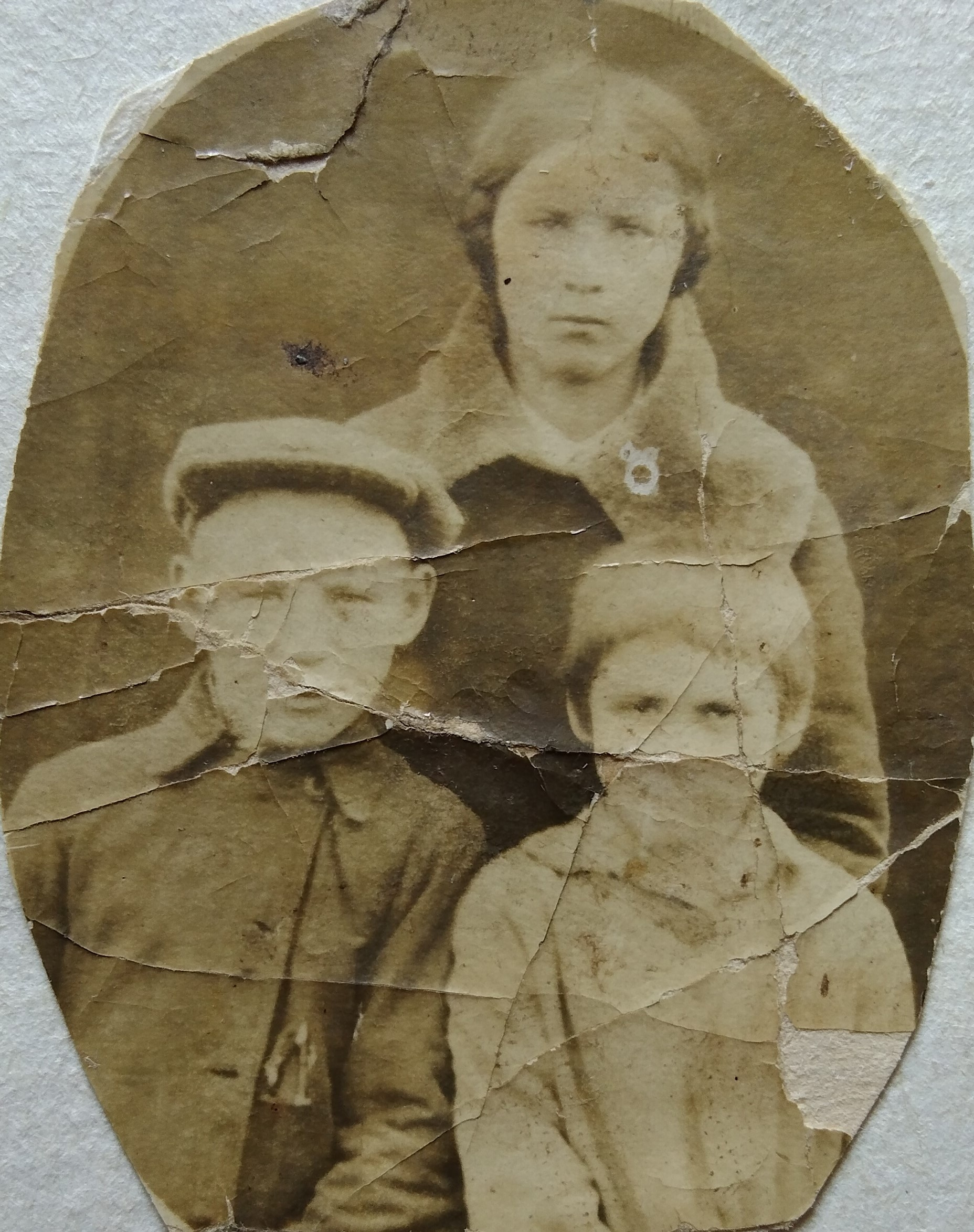
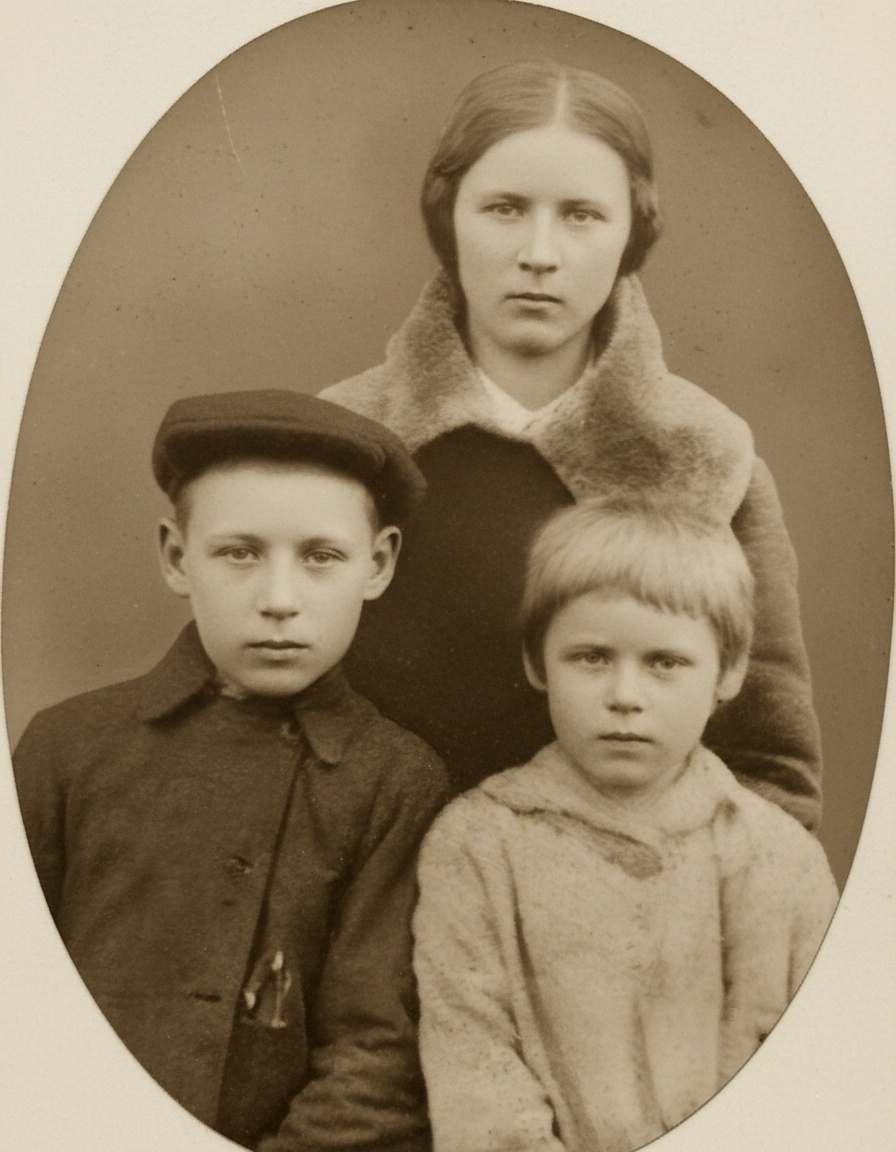
This photo depicts my great-grandfather and his sisters: sitting on the left is Semen Kushchiy (1923–2003), standing in the centre is Lidiya Kushchiy (1919–1975), sitting on the right is Olha Kushchiy (1928–1998). The portrait was taken in the Dnipropetrovsk region (then the Ukrainian SSR, present-day Ukraine) and dates back to the mid-1930s, approximately 1934 or 1935.
Pictured here are witnesses of the Holodomor, young Ukrainians with prematurely adult-like, stern, solemn faces and gazes, children from whom the Soviets stole a carefree childhood. This image represents a desire to assert the fact of their existence, to leave a memory behind, and to capture the family together during harrowing times when none could know which day might be their last. Their parents sought to immortalise their children at their best, dressing them in the finest clothes they had left. However, it is highly likely that the fur collar and the peaked cap were merely studio props. The prominent hole in the boy’s coat is a detail that, despite the effort to appear dressy, betrays the true state of affairs.
This photo is one of my most cherished family heirlooms; the story behind it is meticulously preserved and handed down through the generations. My great-grandfather, Semen Kushchiy, recounted about his childhood during the genocide to his daughter – my grandmother, Hanna Kushchiy-Bondarenko (b. 1951) – who, in turn, shared it with me. It is thanks to my grandmother that I know of my ancestors who endured the Holodomor. Bolshevism failed to destroy them physically, and that their destinies do not dissolve in the sands of time, I continue to safeguard the memory of my family lineage.
The Holodomor of 1932–1933. Dnipropetrovsk region, the village of Veseli Terny. The Kushchiyi family consisted of Yakiv (c. 1895–1945), Melaniya (c. 1897–1942), and their children: Lidiya, Semen, Olha. The parents managed to conceal a supply of grain, from which mother would bake a single small palyanytsia (flatbread) – no larger than a child’s palm – for each child at dawn; this was their only food for the day. Out of sheer necessity, they also ate grass and various wild weeds.
Communist brigades regularly patrolled the village with horse-drawn carts, conducting searches and confiscating all provisions. They would taunt the Kushchiyis, saying: «Since you have not yet swollen with hunger, you must be hiding food». To divert suspicion, Melaniya and Yakiv, secretly from their children, deliberately placed a small sack of grain under the bed. During a subsequent raid, the Bolshevik activists found and seized it. Semen, who was 9 or 10 years old at the time of the Holodomor, was terrified. He remembered forever how he chased after the Soviet cart, weeping and pleading: «Give back the grain, we shall die of hunger, give it back!» He clung to the communists’ legs, but they kicked him away with their boots into the mire and drove on.
Through their own ingenuity and the remaining hidden grain, the family survived. The parents managed to save themselves and their children. Where the life-saving grain had been concealed remains a mystery. Melaniya and Yakiv never revealed the secret that rescued a life. My existence was made possible because my ancestors endured the grip of the Holodomor, refusing to let our Ukrainian lineage be severed.
It sends chills down one’s spine to imagine what it was like for the Kushchiyis to realise that, on their own fertile native soil, they were being condemned to an agonising death. How their hearts must have constricted each time those figures with Soviet stars and Nagant revolvers arrived. It is beyond the bounds of humanity that a primary school child should have to comprehend the reality of starving to death. This is definitely not something a person who is just starting out in life should have to worry about.
Candidly speaking, one never grows accustomed to this story. Even now, tears well up in my eyes, and my great-grandfather’s words echo in my soul: «Give back the grain, we shall die of hunger». At the same time, from a nearly century-old photo he gazes back at me – a young Ukrainian boy who endured, and who, despite all the anguish, carries himself with dignity. This portrait, captured shortly after the
Holodomor, is a memento of an era, is a manifesto of the resilience of the Ukrainian nation, and is my own ancestral testament to the will to live.
To speak of genocide is both painful and arduous, yet it is imperative, for silence is far more perilous. Preserving the memory of those who suffered under Bolshevism is at once the least and the greatest we can do – both for them and for ourselves. It is vital to remember: so that their sacrifices and suffering are not in vain; so that history never repeats itself; so that we recognise the face of the enemy; so that we comprehend the profound value of national independence; and so that we may always have bread – bread that can never again be taken from us.