
My Most Prized Possession
About the Creator
My name is Christopher Pisani and I am a 10-year old boy from Gozo, Malta. I am curious about the world and enjoy exploring new places, reading and learning about history.I also enjoy expressing myself through writing and sharing stories.
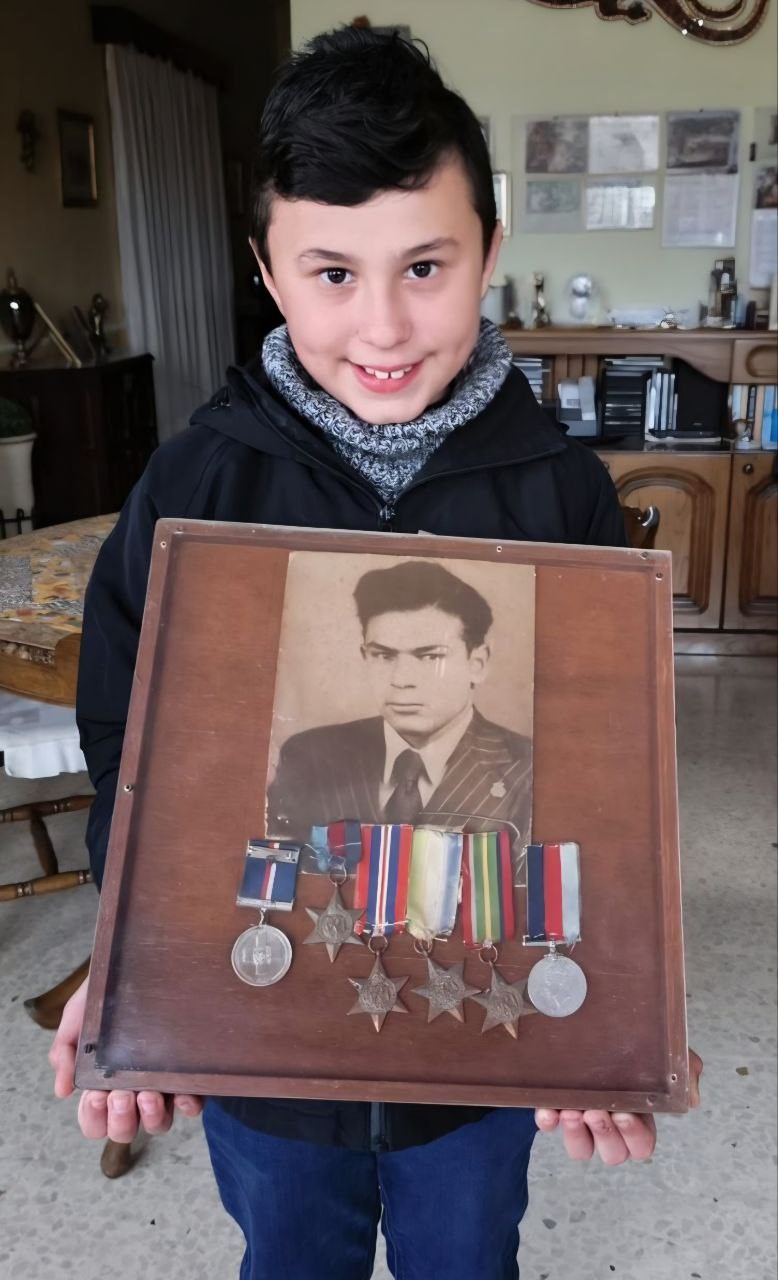
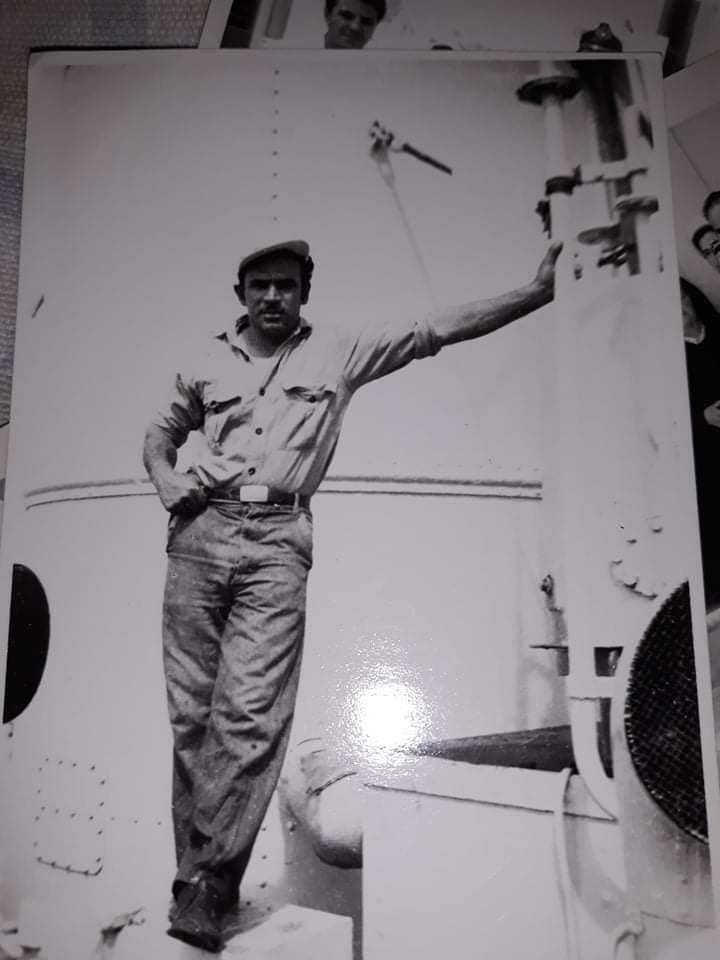
My most prized possession is hanging in our hallway. It is a wooden frame within which is a photograph of my paternal great-grandfather, Anthony Xerri from Malta. Under the photograph hang the five medals that he earned in his years at sea. The ribbons may have discoloured through the years, yet they lay still arranged precisely as he had left them.
Indeed, this frame links my family to an important chapter of 20th-century history. My great-grandfather served at sea with the Royal Fleet Auxiliary during and in the years following the Second World War, assisting to supply the Royal Navy ships as they sailed across treacherous waters as a young man in the 1940s.
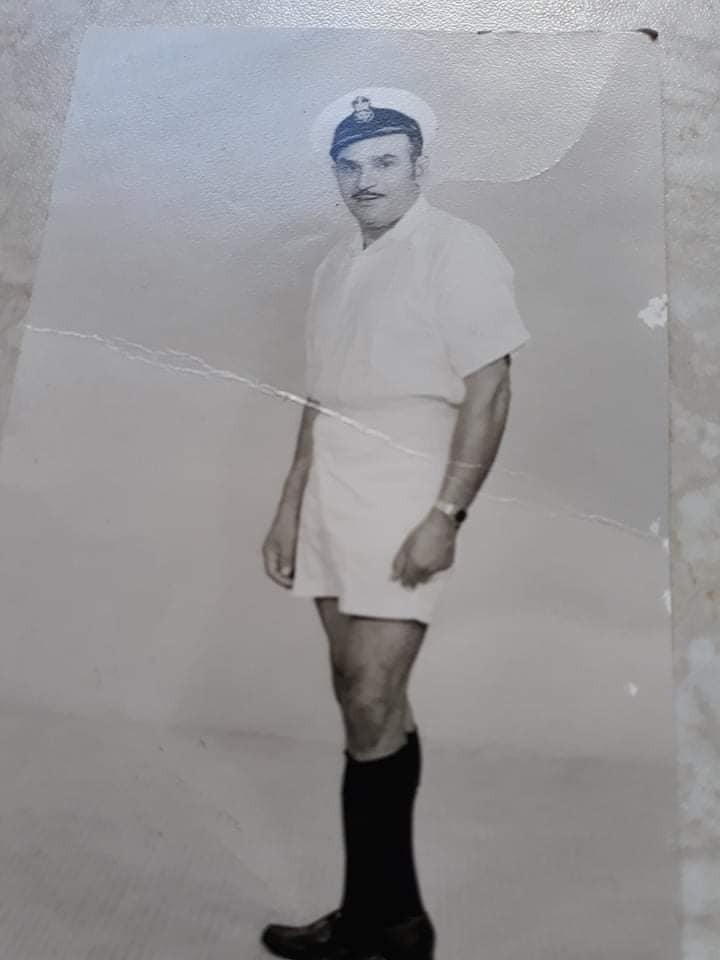
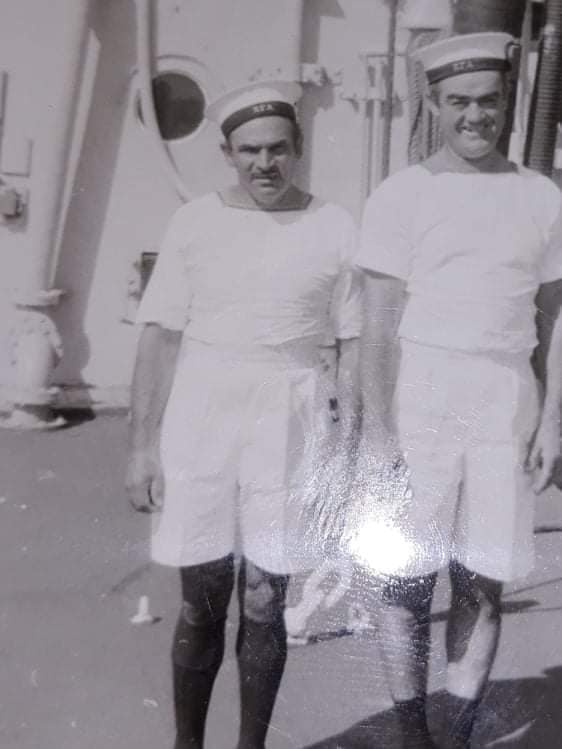
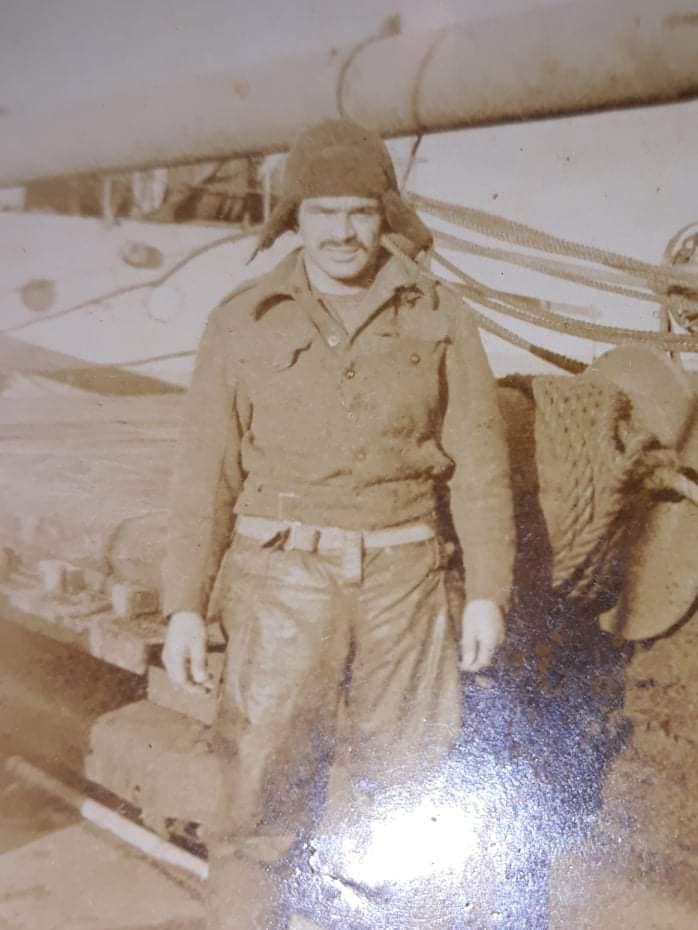
Great-grandpa Anthony often described life at sea as demanding and unpredictable. As part of the Royal Fleet Auxiliary, he and his fellow shipmates provided Royal Navy vessels with food, fuel and other supplies which were essential to allowing them to spend long periods at sea. Although not frontline warships, RFA vessels operated in dangerous waters where teamwork and discipline were key.
One of my great-grandfather’s tape recordings mentions his service aboard the Royal Fleet Auxiliary ship Fort Duquesne (A229). The ocean, he says, can be beautiful one second and scary the next. In one of his voyages, while doing some heavy rope work on deck, he injured his finger very badly. Despite the efforts of the ship’s medical officer, he eventually lost the third finger of his left hand. Whenever I used to question him about it, he would say, “It’s nothing compared to all the people whose lives were lost in the war.” He would go on to serve at sea, determined and disciplined, even after this accident.
In another recording, he recounted an episode during one of the ship’s journeys when armed men boarded the vessel and threatened crew members as they also stole provisions, including 80 loaves of bread. A gun was even pointed at his forehead. Although he was scared, he pretended to stay calm and complied with orders until the situation was resolved without anyone getting hurt. Episodes such as this demonstrated that, even with the war over, some sea lanes were still not stable and required constant vigilance.
Even though the Second World War had officially ended, some sea routes remained dangerous because not all the sea mines had been cleared. It required the utmost caution to sail through these waters. To help mitigate this threat, the vessel deployed a device known as a paravane. It was towed in front of the vessel and helped cut the cables on floating sea mines, shielding both the ship and its crew. It was like wearing an extra layer of protection in the water.
My great-grandfather built ships in bottles during long sea voyages when he had time on his hands. It required weeks of patience, using tiny tools and threads to guide each piece through the bottle neck. Each miniature ship recalled the actual vessels that he sailed on during and after World War II.
When the RFA Fort Duquesne returned to Marsamxett Harbour in Malta during its Mediterranean deployment, he described Valletta’s golden limestone buildings shining in the sun. The harbours of Malta had been essential throughout the war and remained a major naval base afterwards. For him, sailing into those still waters was not only a homecoming but also a return to an island that had endured and survived decades of history.
My great-grandfather died five years ago, but his stories and his medals live on. When I look out at the sea today, I sometimes picture him there on deck, steady and brave, even when danger was close. I can feel part of him still in our family life through the frame on our wall.
The photograph and medals are more than things. They remind me that history is made by ordinary people who find the determination and courage to do extraordinary things despite difficult circumstances. My great-grandfather was one of them, and I am proud that his story lives on in our home.