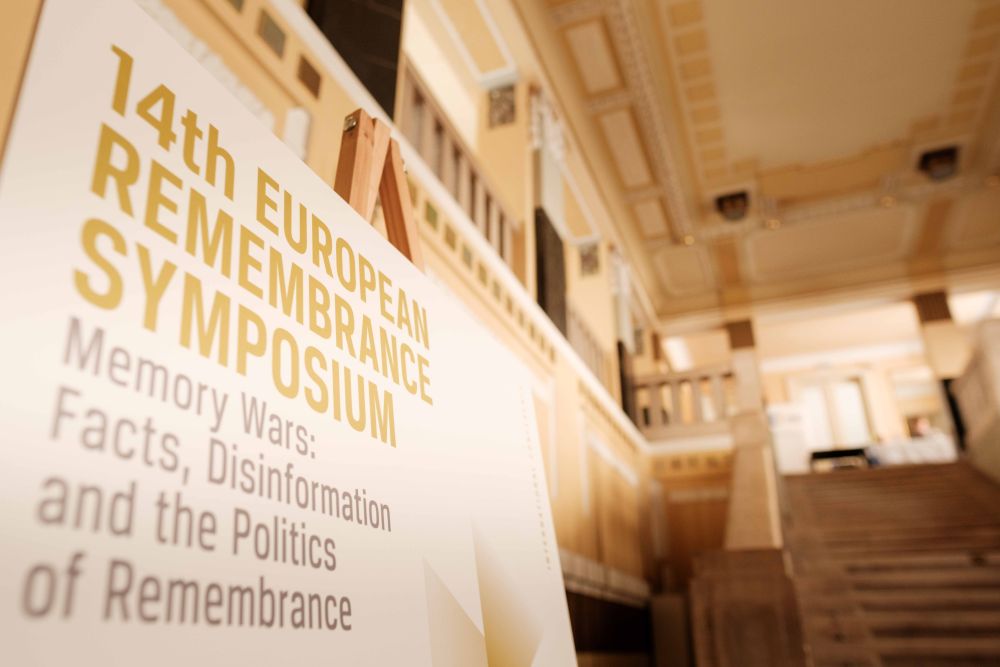
Dates: 27—29 May 2026
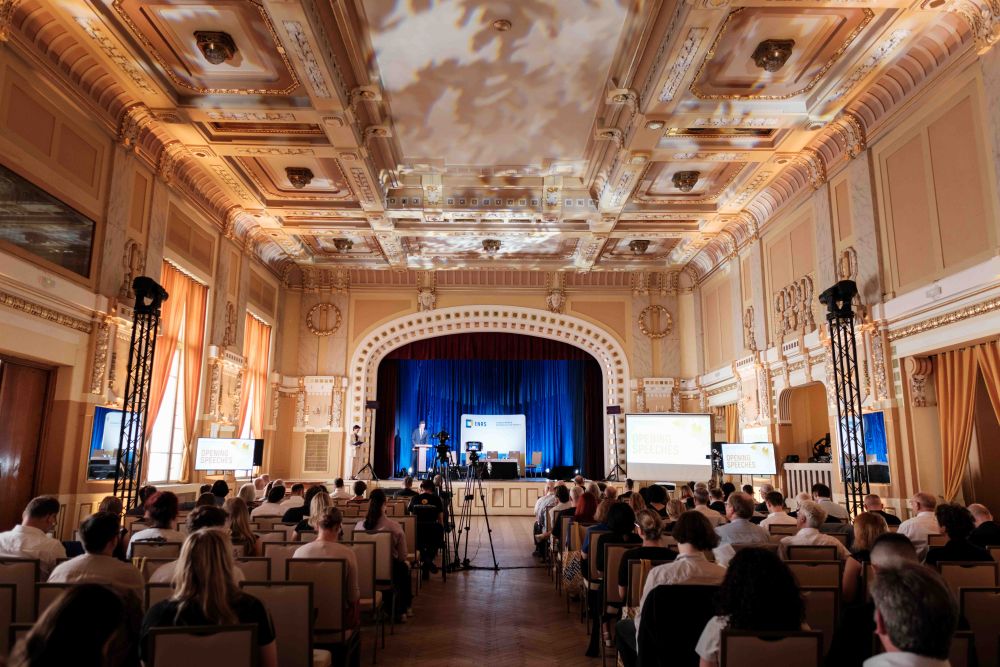
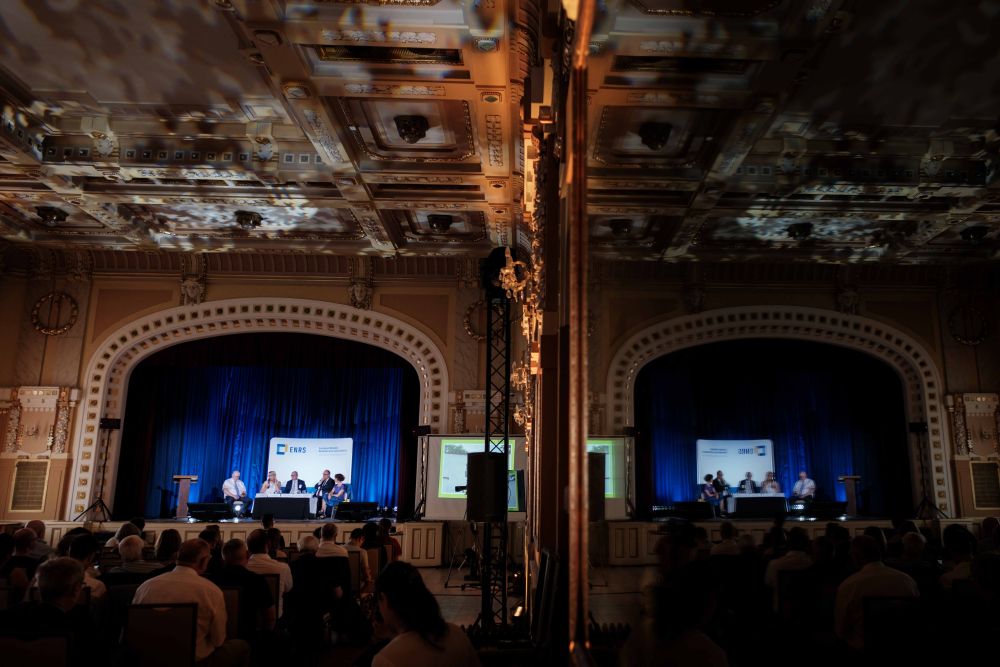
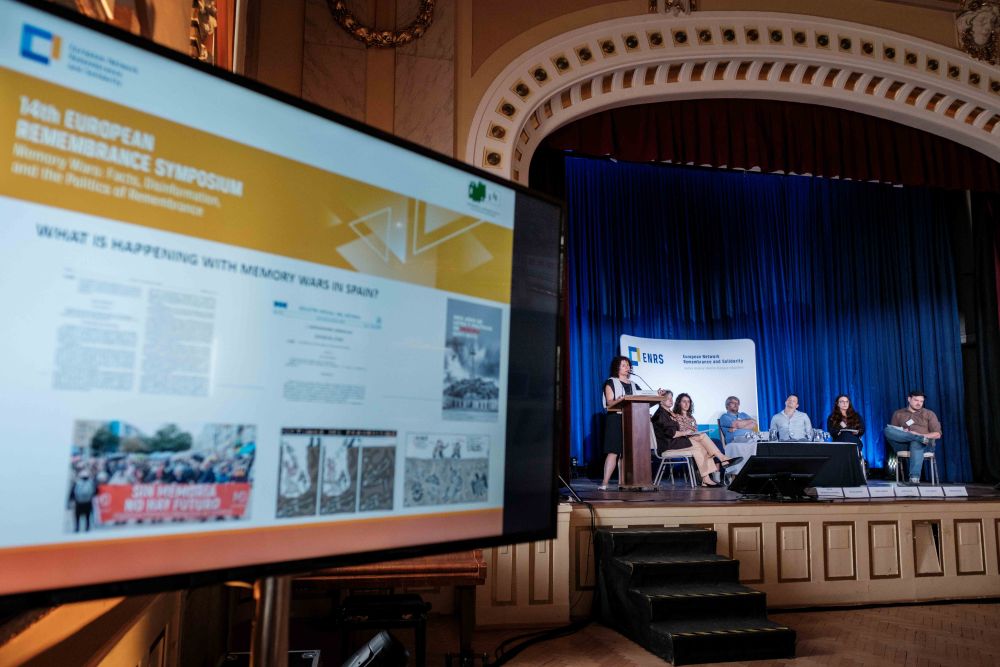
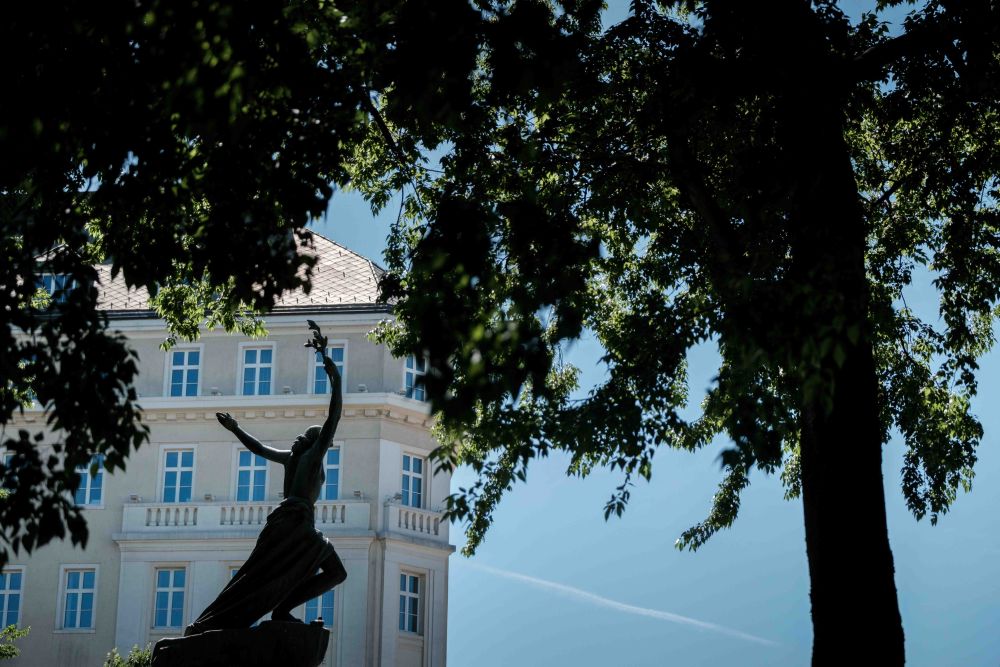
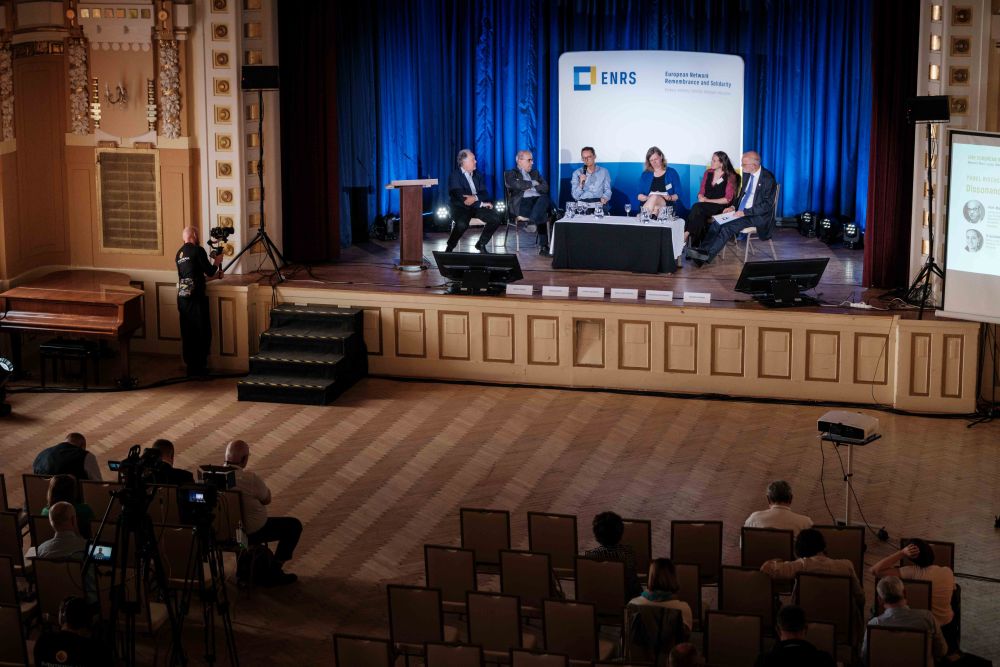
Venue: Art Nouveau Moyzes Hall in the main building of the Faculty of Arts, Comenius University, Bratislava.
Memory founds communities: it can shape group and national identities, and provide a moral framework, sustaining values and a sense of historical continuity. Yet societies can also be fractured by memory, becoming both the object and the tool of political strife, and even a weapon in the context of hybrid warfare. As geopolitical tensions intensify, the contest over how history is interpreted has emerged as one of the critical arenas of contemporary power struggles. Likewise, within national contexts, collective memory is increasingly central in conflicts between polarised political camps.
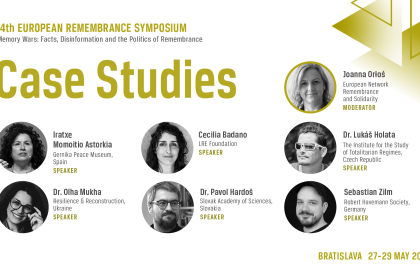
At the upcoming 14th European Remembrance Symposium, we will explore the antagonistic potential of memory and the mechanisms through which it is weaponised in the context of contemporary war. On the one hand, we will reflect on the nature of collective memory, set within the dynamics of early 21st century Europe, and on how conflict and political struggle have shaped it. On the other hand, we will examine how memory is used as an instrument of conflict internationally, including in relation to warfare conducted by the Russian Federation. Which areas of life are being targeted? Through which media and institutions is this strategy implemented and how is this expressed culturally?
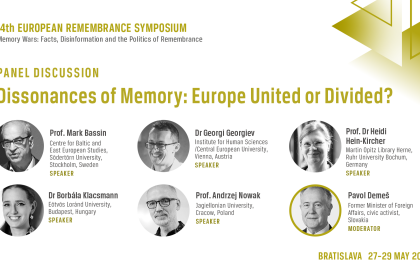
Finally, we will address the question of unity and division within Europe. We will ask how divergent memories of the dark chapters of Europe’s past – for example, the totalitarian regimes, Nazism and communism, the two world wars, genocide and occupation, and the legacies of imperialism and colonialism – divide European societies today and shape memory dissonances across the continent. In the face of diverse historical experiences and contemporary challenges – from the military threat posed by Russia in Eastern Europe to mass migration and economic crises in the West – is there a shared sense of participating in the same war, and is Europe capable of acting in a unified way to meet the threat?
Venue: Art Nouveau Moyzes Hall in the main building of the Faculty of Arts, Comenius University, Bratislava.
Memory founds communities: it can shape group and national identities, and provide a moral framework, sustaining values and a sense of historical continuity. Yet societies can also be fractured by memory, becoming both the object and the tool of political strife, and even a weapon in the context of hybrid warfare. As geopolitical tensions intensify, the contest over how history is interpreted has emerged as one of the critical arenas of contemporary power struggles. Likewise, within national contexts, collective memory is increasingly central in conflicts between polarised political camps.
At the upcoming 14th European Remembrance Symposium, we will explore the antagonistic potential of memory and the mechanisms through which it is weaponised in the context of contemporary war. On the one hand, we will reflect on the nature of collective memory, set within the dynamics of early 21st century Europe, and on how conflict and political struggle have shaped it. On the other hand, we will examine how memory is used as an instrument of conflict internationally, including in relation to warfare conducted by the Russian Federation. Which areas of life are being targeted? Through which media and institutions is this strategy implemented and how is this expressed culturally?
Finally, we will address the question of unity and division within Europe. We will ask how divergent memories of the dark chapters of Europe’s past – for example, the totalitarian regimes, Nazism and communism, the two world wars, genocide and occupation, and the legacies of imperialism and colonialism – divide European societies today and shape memory dissonances across the continent. In the face of diverse historical experiences and contemporary challenges – from the military threat posed by Russia in Eastern Europe to mass migration and economic crises in the West – is there a shared sense of participating in the same war, and is Europe capable of acting in a unified way to meet the threat?