For the 2026 edition, we invite students and young professionals in the arts, humanities, and social sciences (aged 18–26) residing in European Union countries to apply for this year’s edition of our summer school, which will take place from 8 to 18 September 2026 in Lübeck, Germany where they will co-create a new episode of the In Between? podcast.
About In Between? 2026
8–18 September 2026, Lübeck, Germany
For the 2026 edition, we invite students and young professionals in the arts, humanities, and social sciences (aged 18–26) residing in European Union countries to apply for this year’s edition of our summer school, which will take place from 8 to 18 September 2026 in Lübeck, Germany where they will co-create a new episode of the In Between? podcast.
Why join?
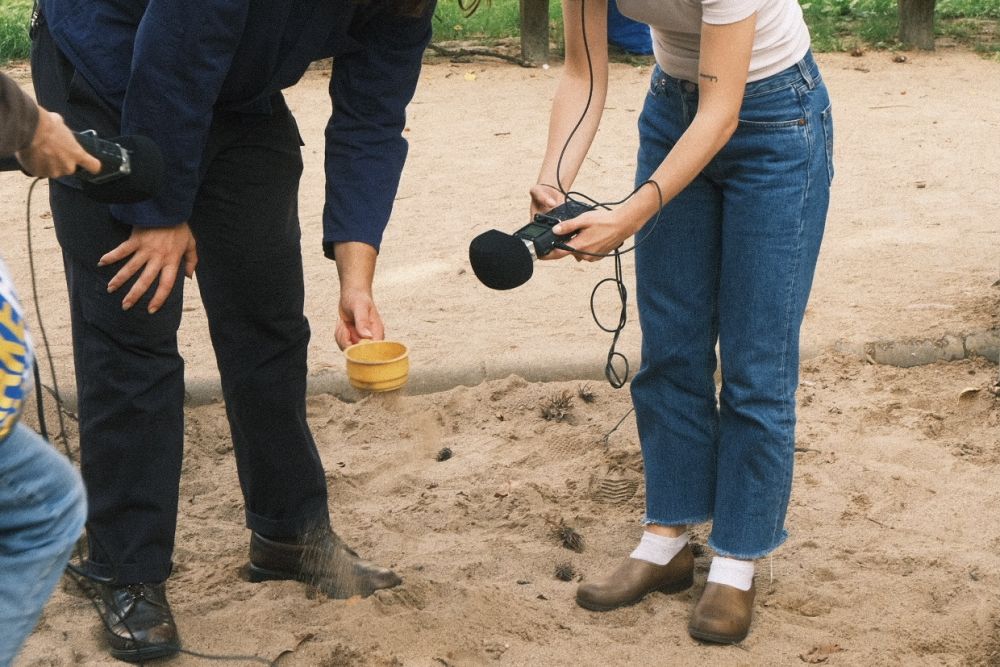
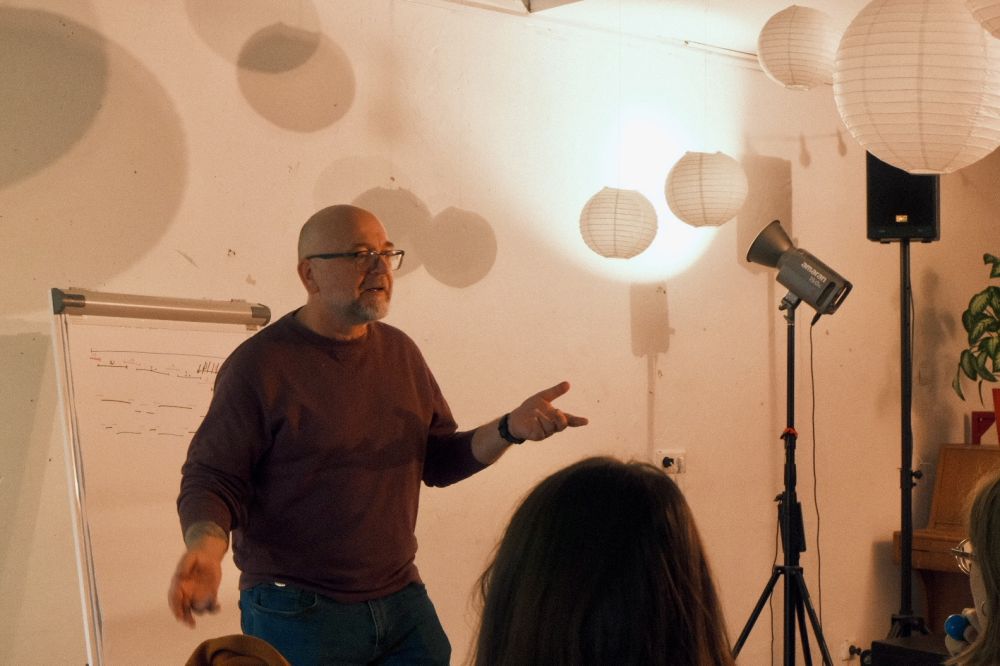
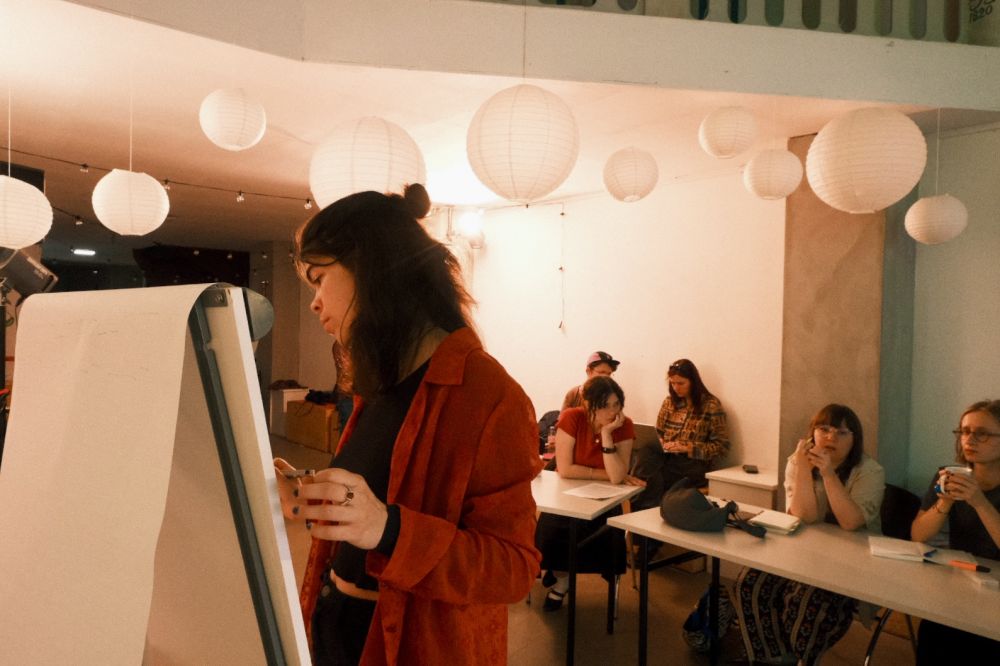
- Take part in workshops on oral history methods, sound recording, and podcast production;
- Gain practical experience in field research and interviewing;
- Develop storytelling skills by transforming research findings into engaging audio narratives;
- Deepen their understanding of the history and legacy of the division between East and West Germany;
- Collaborate within an interdisciplinary, international team to produce a podcast.
Why Lübeck?
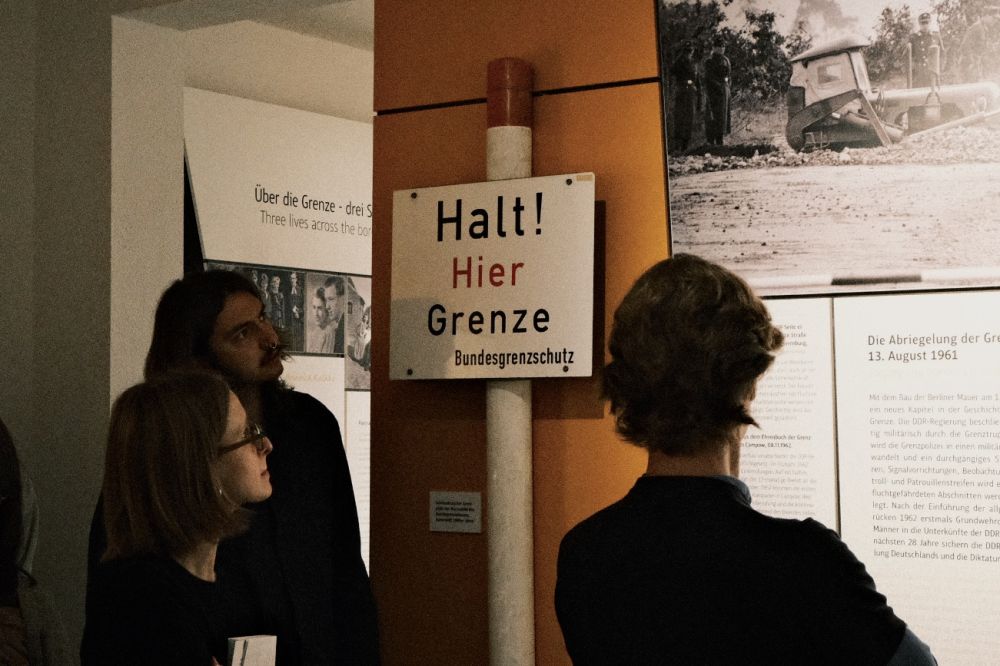
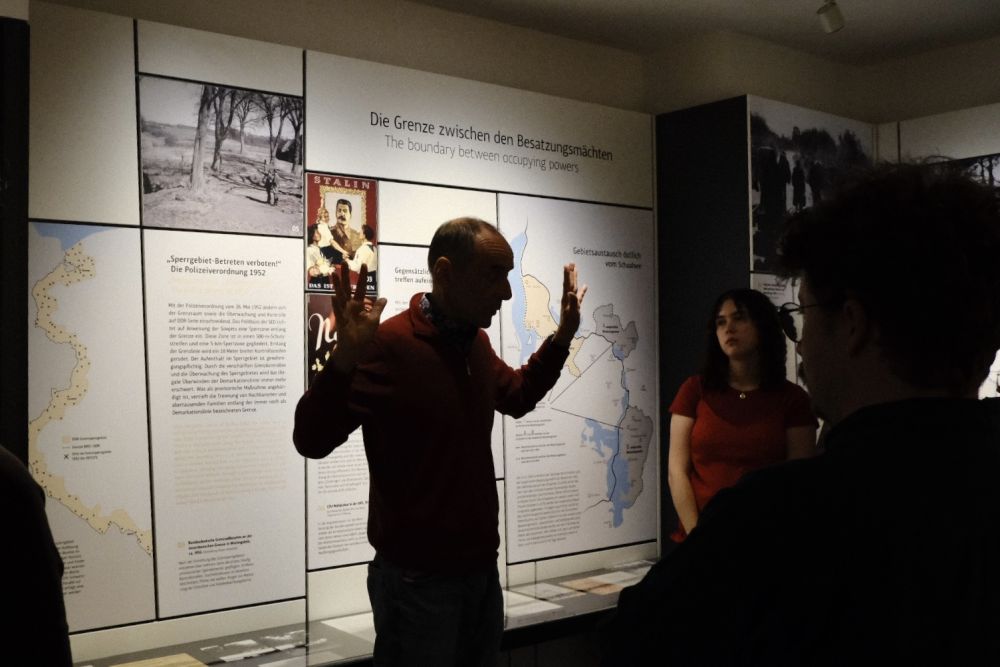
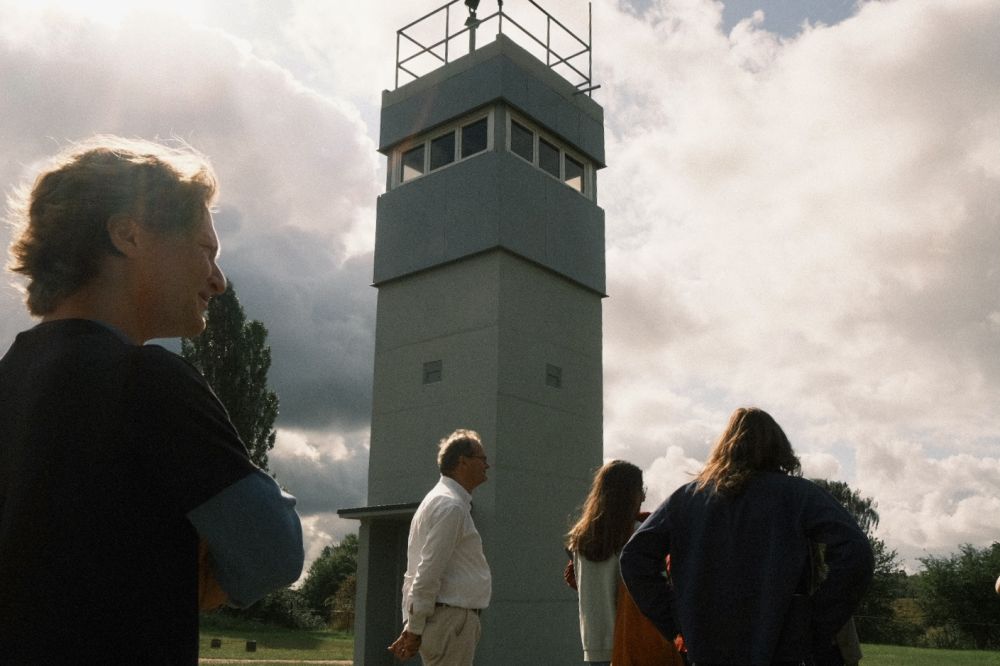
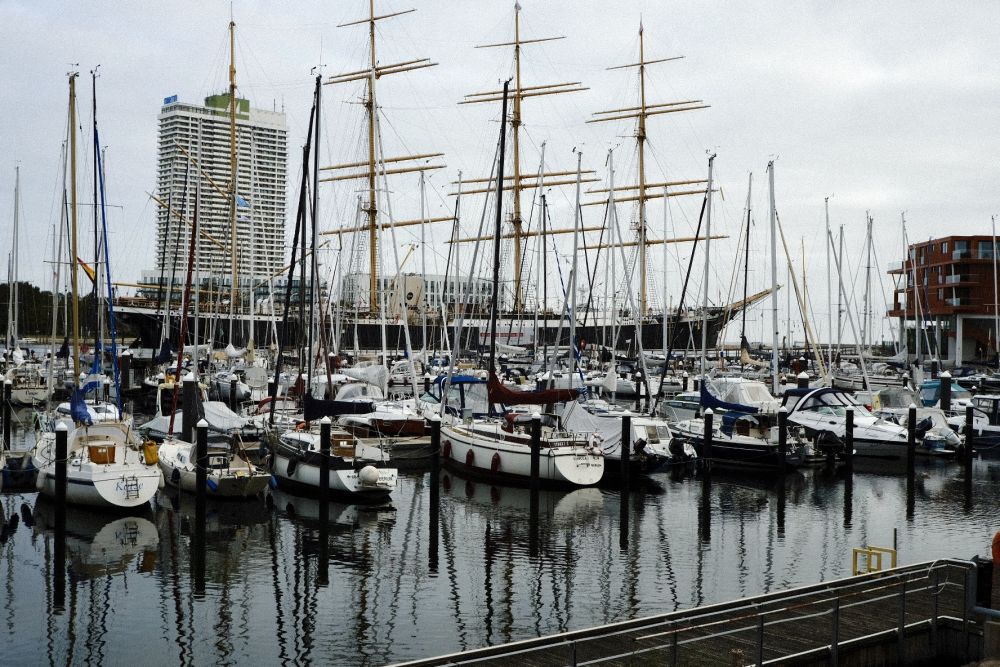
Running for over 1,300 kilometres, the inner German border was one of the most symbolically charged frontiers in post-war European history. Apart from Berlin, Lübeck, located in Schleswig-Holstein, was the only major West German city situated directly next to this border. It ran just a few kilometres from the historic centre, following the course of the river Wakenitz, cutting through historic trade routes, influencing local landscape and leaving a lasting imprint on the region.
Today, we are interested not only in the material remnants of this division, but also in its less visible continuities. The former border can still be traced in the local environment, in the memories of inhabitants, in everyday practices, and in subtle forms of distinction that persist beyond its physical disappearance. Lübeck thus becomes a site for examining how a border can continue to exist as a mental and cultural construct, long after it has ceased to function as a political line.
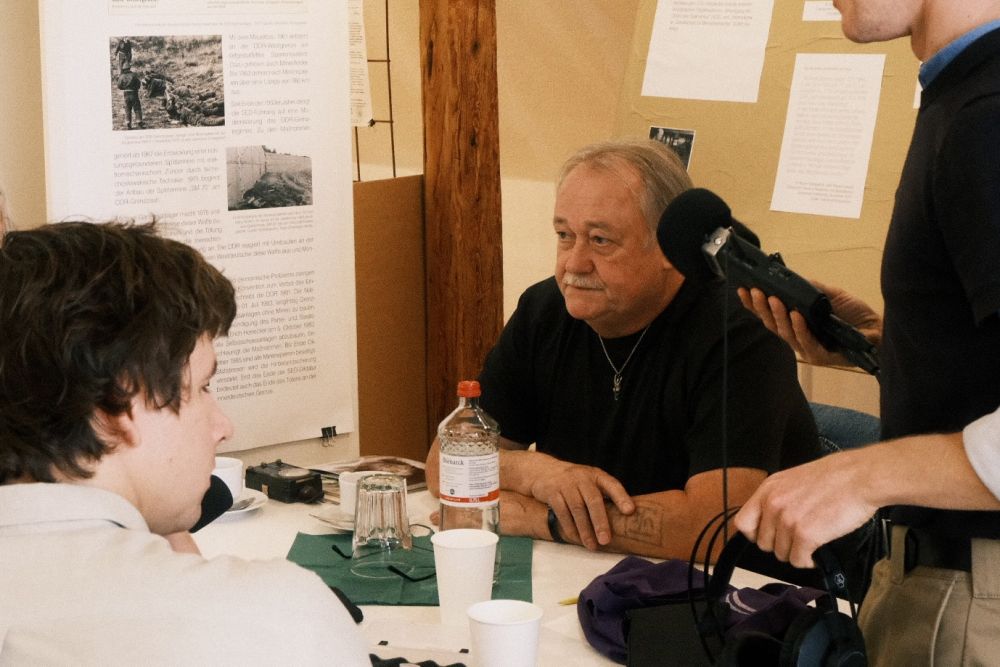
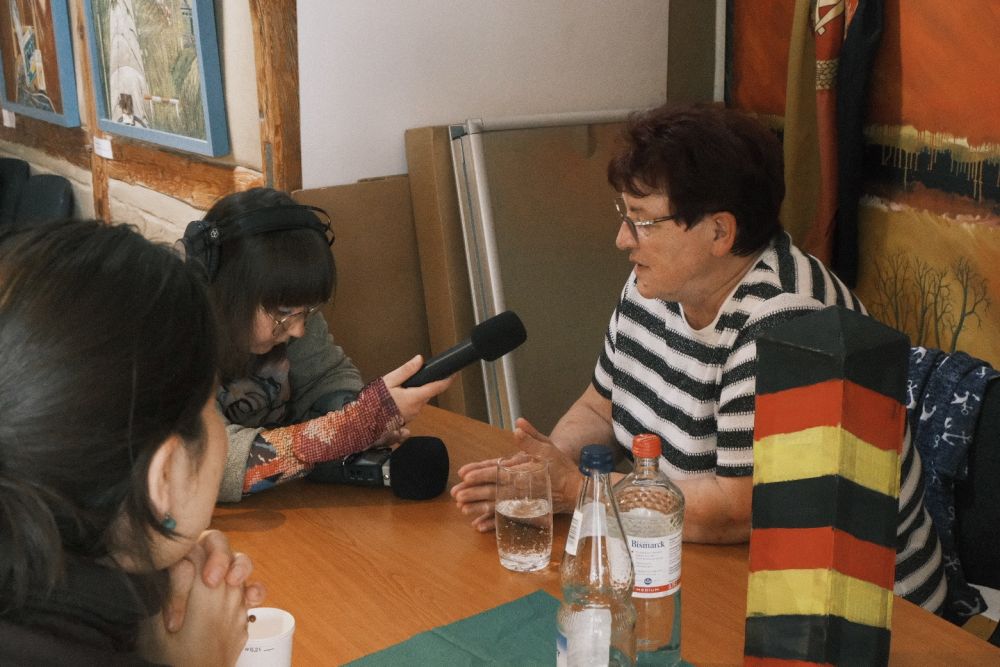
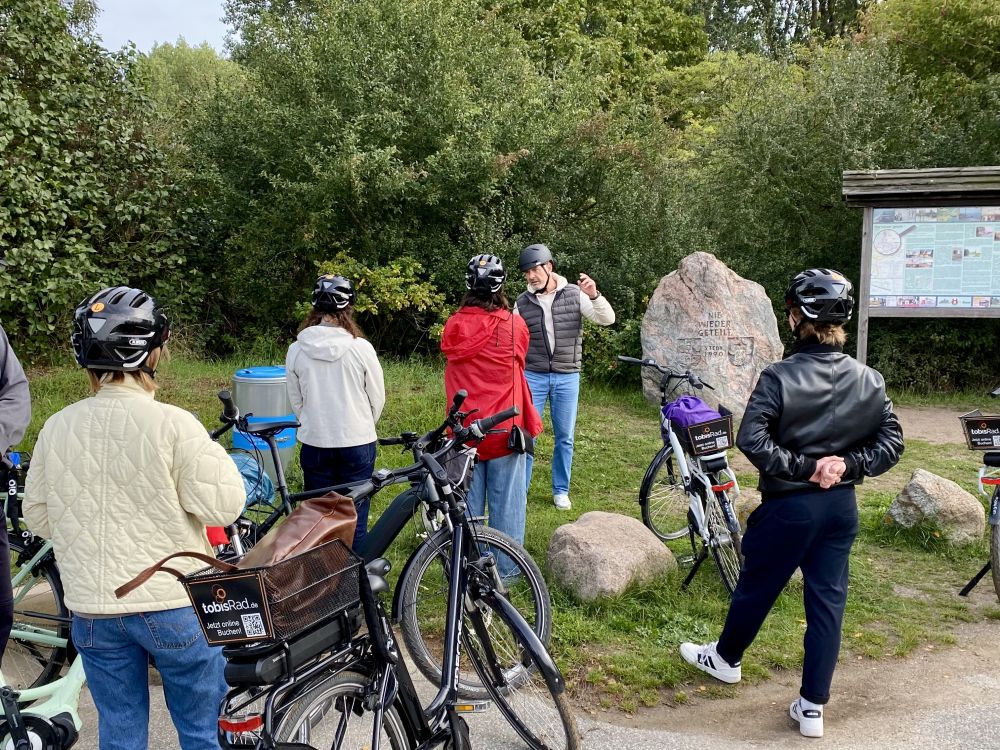
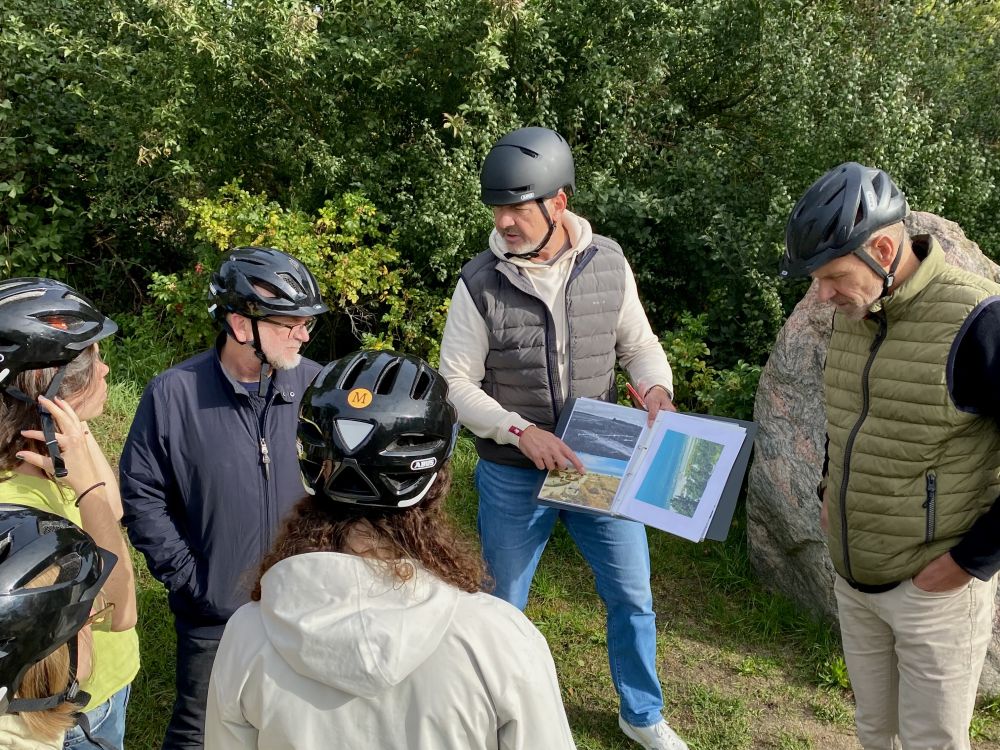
Through fieldwork, participants will have an opportunity to get to know personal stories of those who lived through this period and to explore the memories, identities, and material traces left by this historic border.
Programme overview
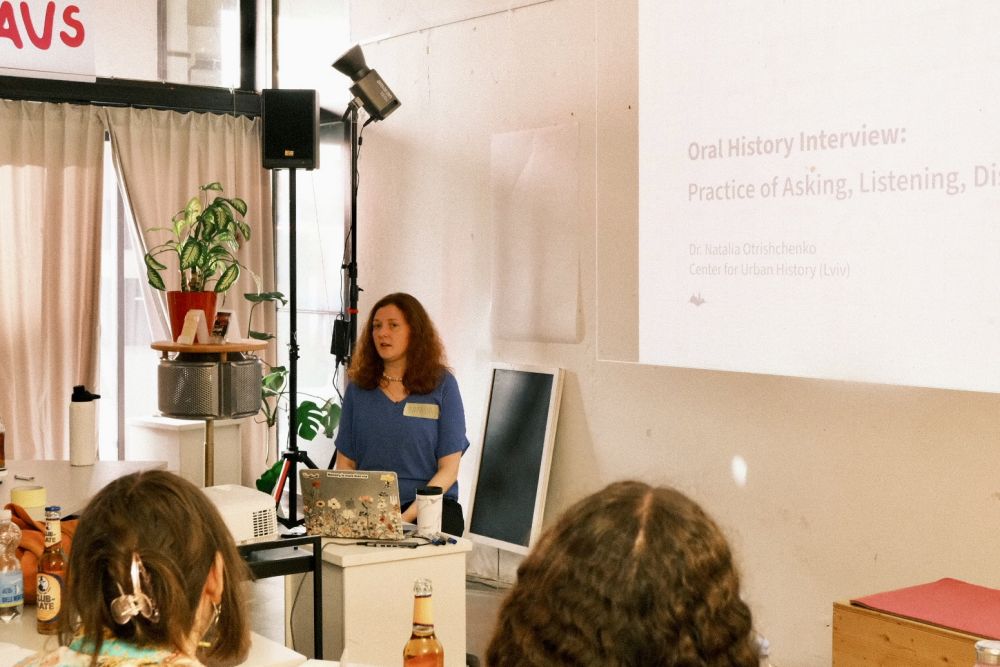
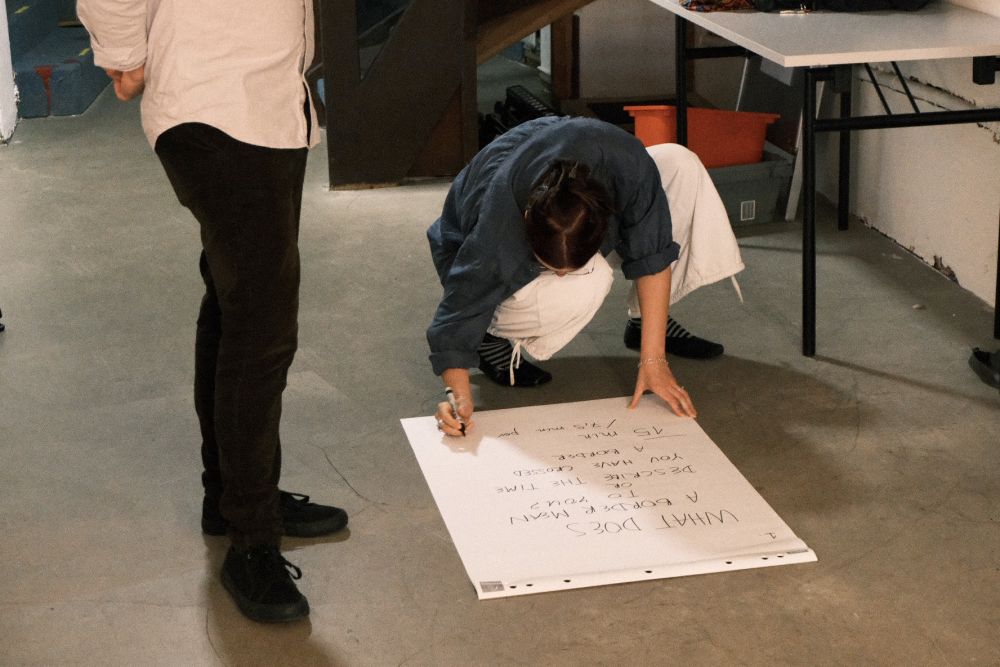
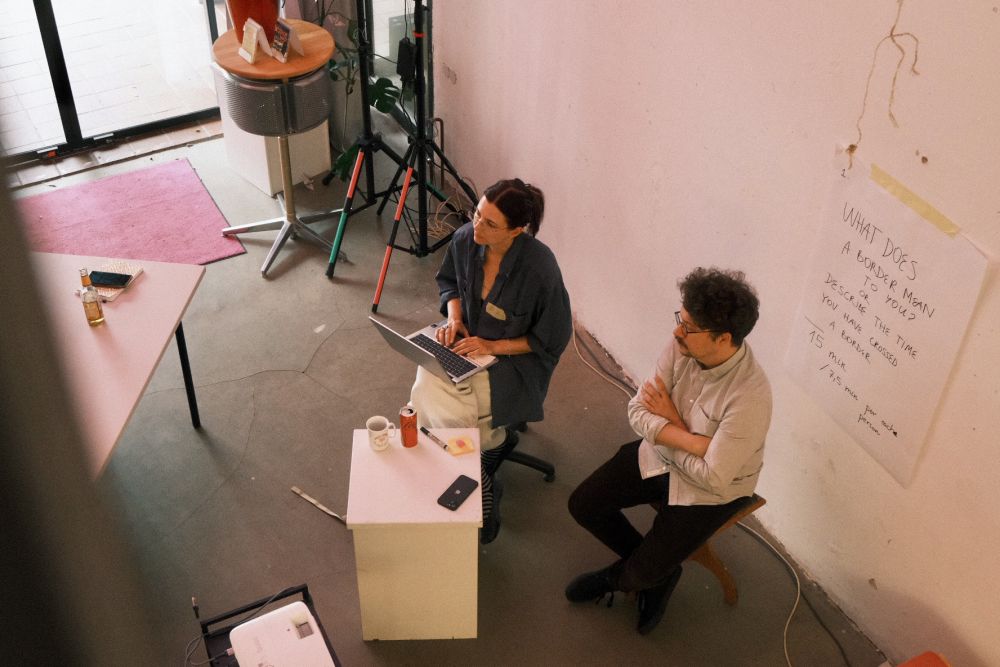
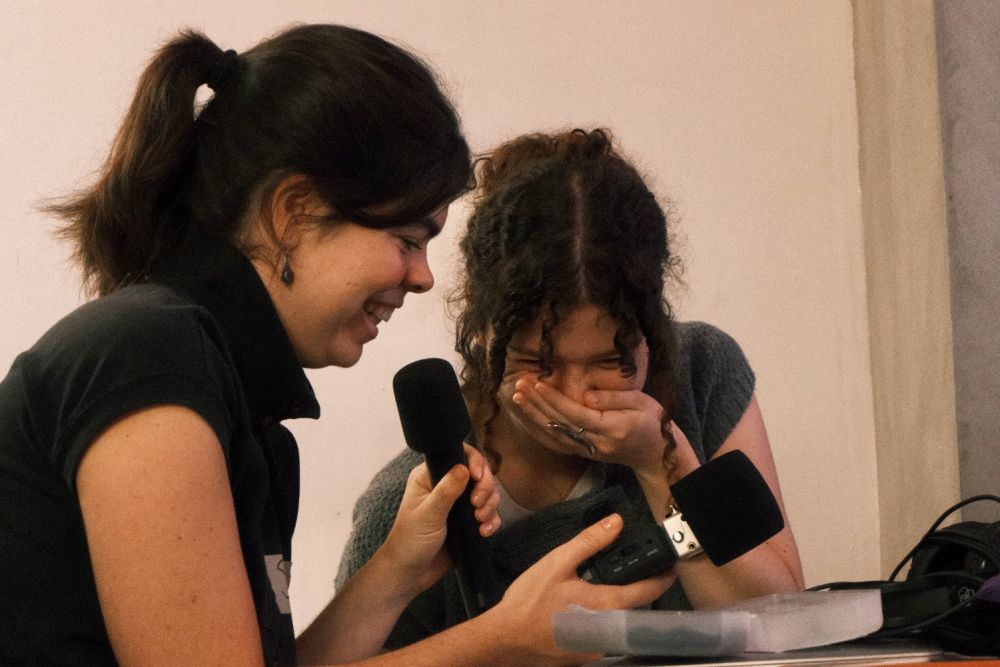
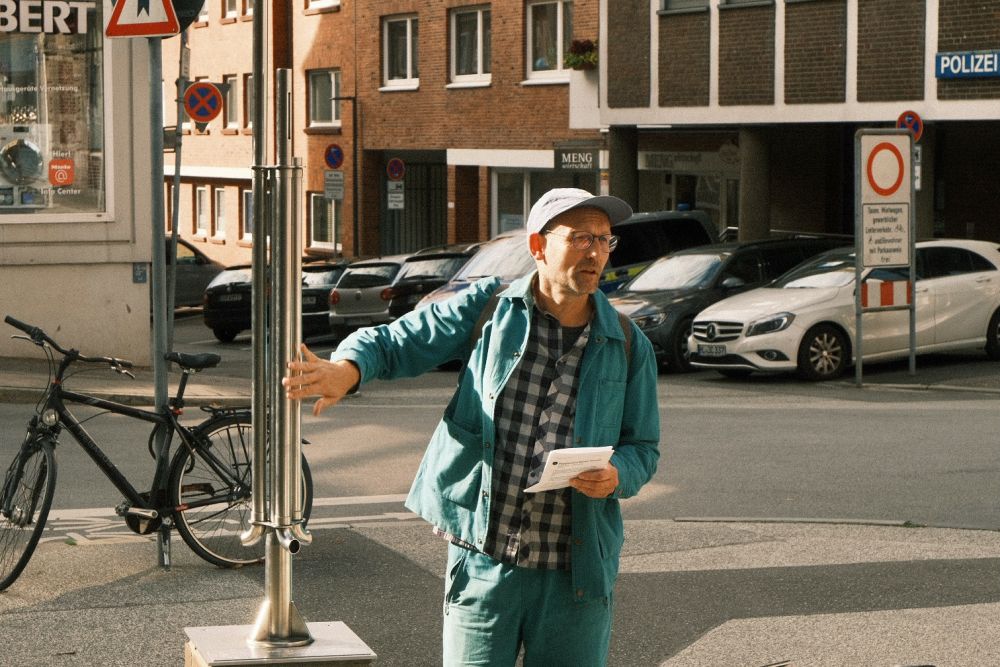
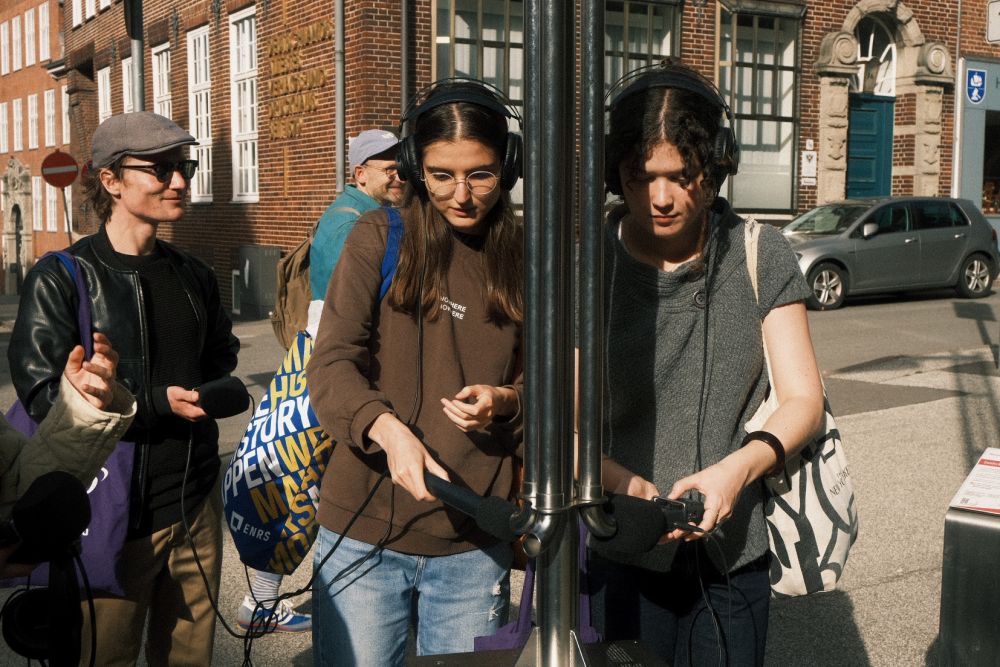
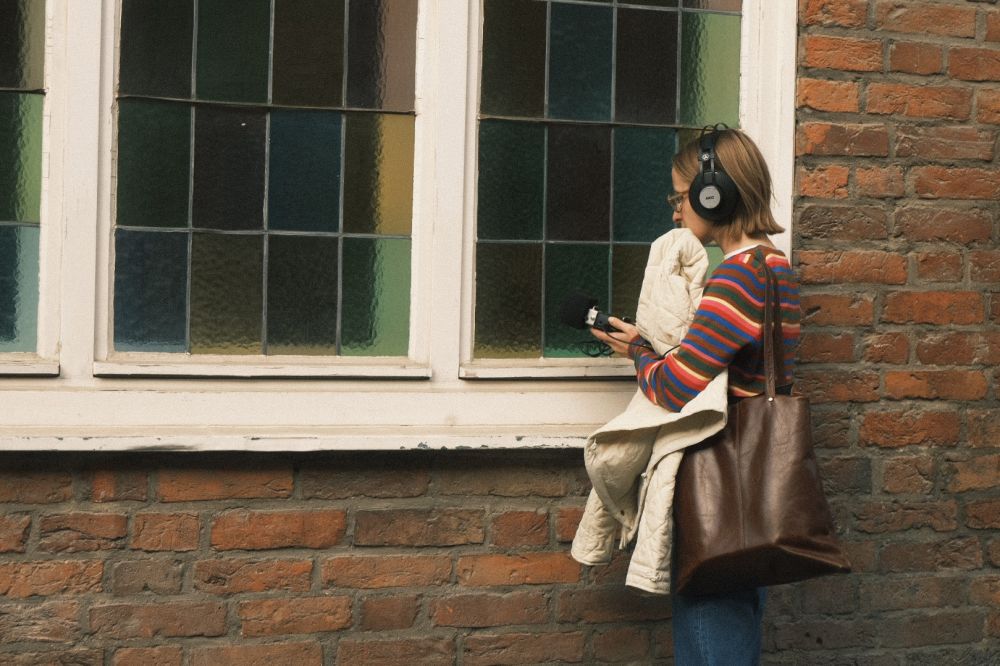
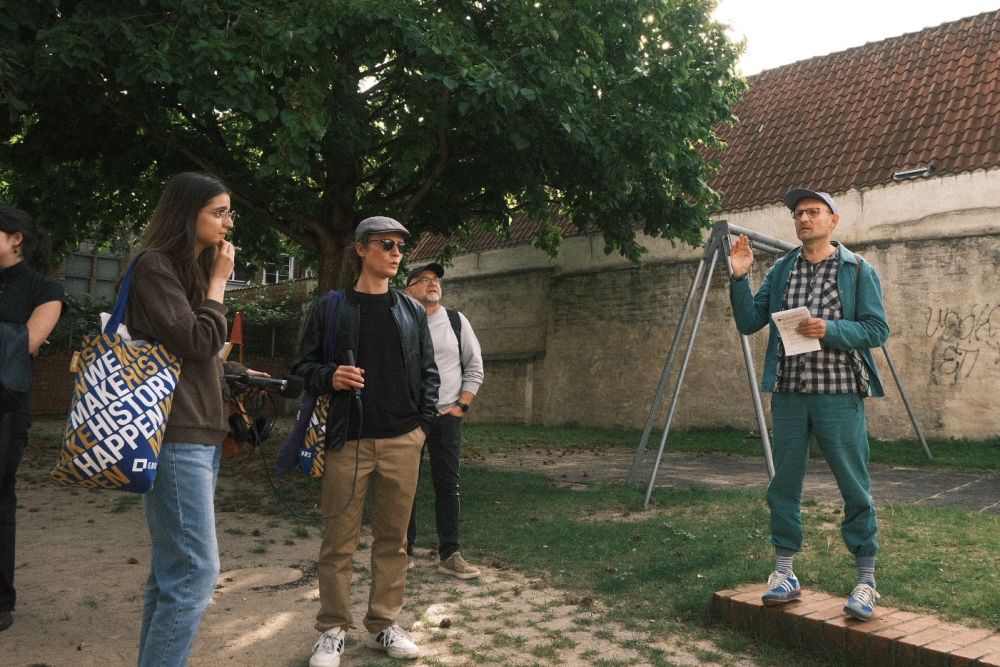
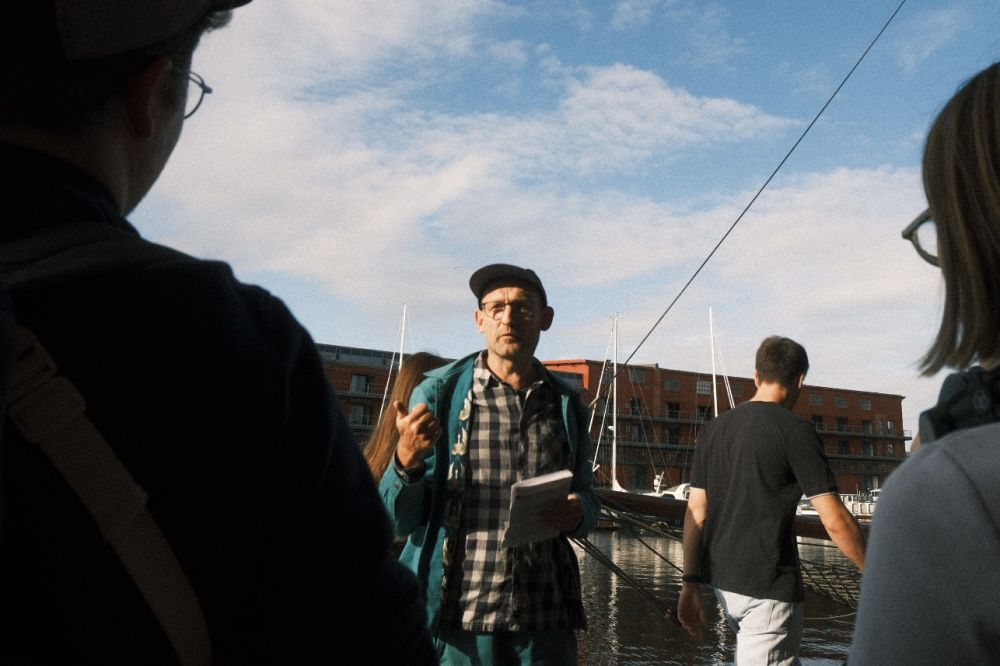
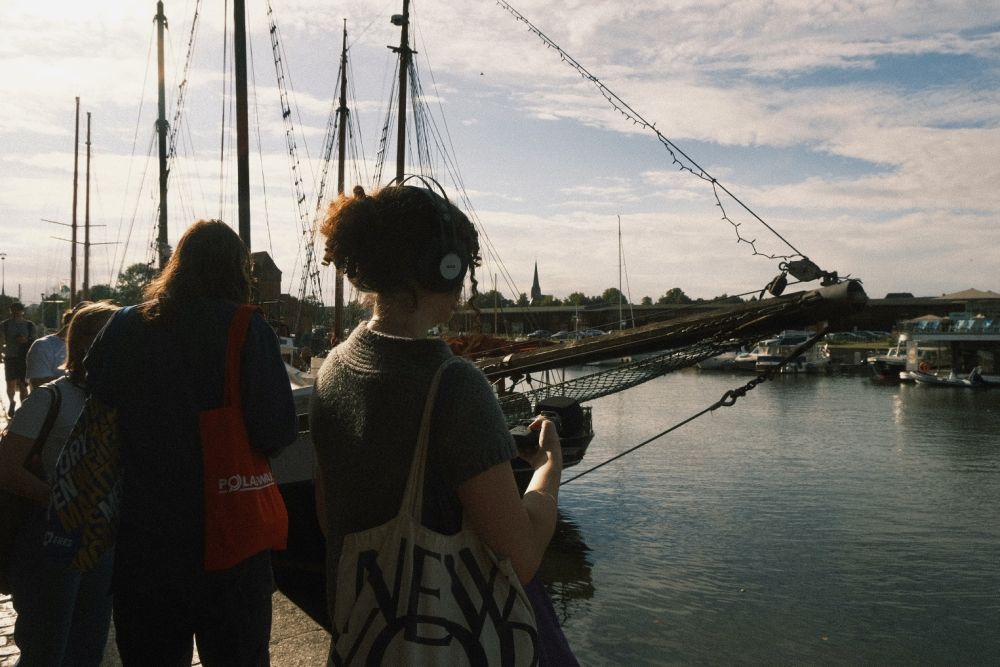
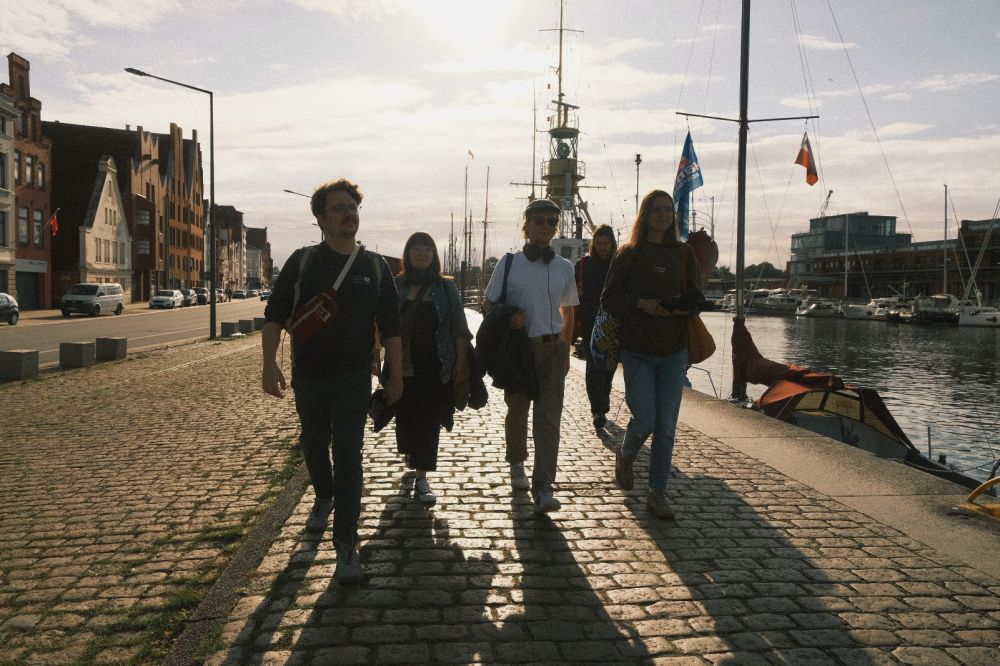
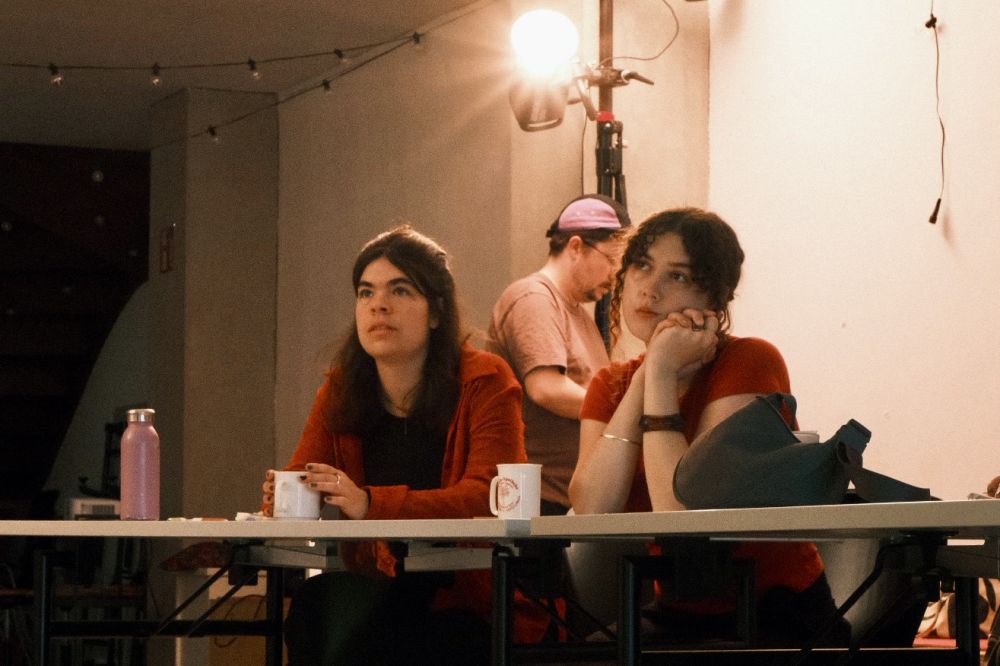
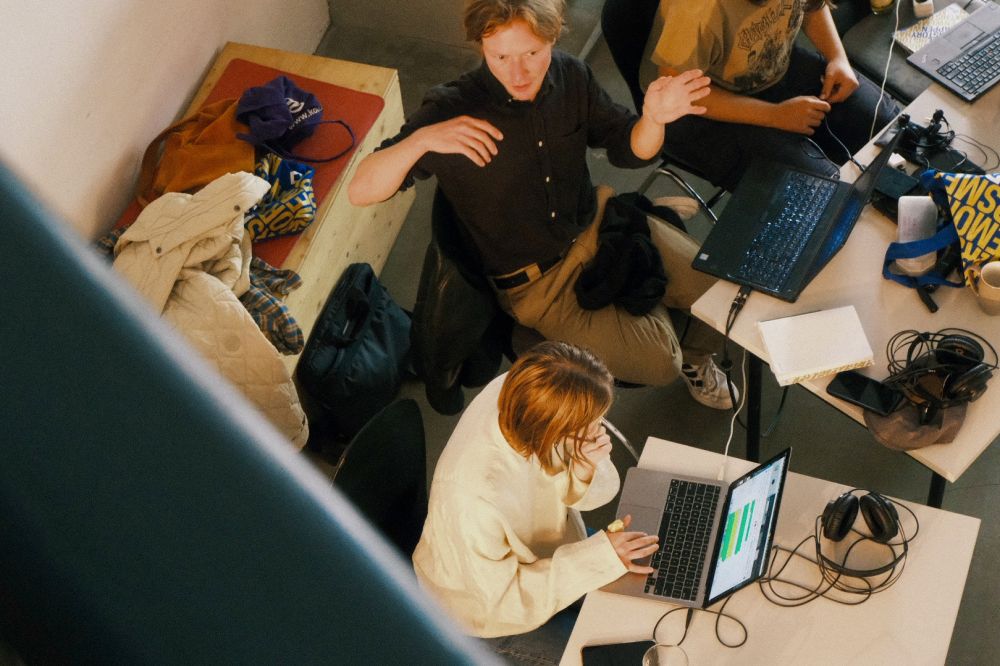
From 8–18 September 2026, they will visit Lübeck and begin the onsite programme with a series of workshops on oral history, audio recording, and podcast creation to prepare for their further research. Participants will then explore the region on their own by visiting historical sights, taking part in guided tours, talking to, and recording interviews with experts and members of the local community.
Their research results will be captured and presented in the form of a short, artistic podcast they will produce with the help of an expert during the project. The recording will be shared on streaming platforms afterwards as a part of the In Between? podcast series.

Since 2016 the participants of the programme have explored 26 regions in Central, Eastern and Southern Europe. In 2018 the project received a special mention during Europa Nostra Awards. You can find more information about previous editions on enrs.eu/inbetween.
Applications
Application criteria:
• Residing in a European Union country;
• Intermediate level of English (B2);
• Knowledge of German is an advantage, but not essential
The deadline for applications was 20 May 2026.
Applications are closed.
Results will be shared with all applicants by email by the end of June.
Read the rules of participation here.
Participation in the programme is free of charge; meals (breakfasts and lunches) and accommodation are covered by the organisers. Participants are responsible for arranging their own travel to the project location.
Workshops & Mentors
Jarosław Kociszewski
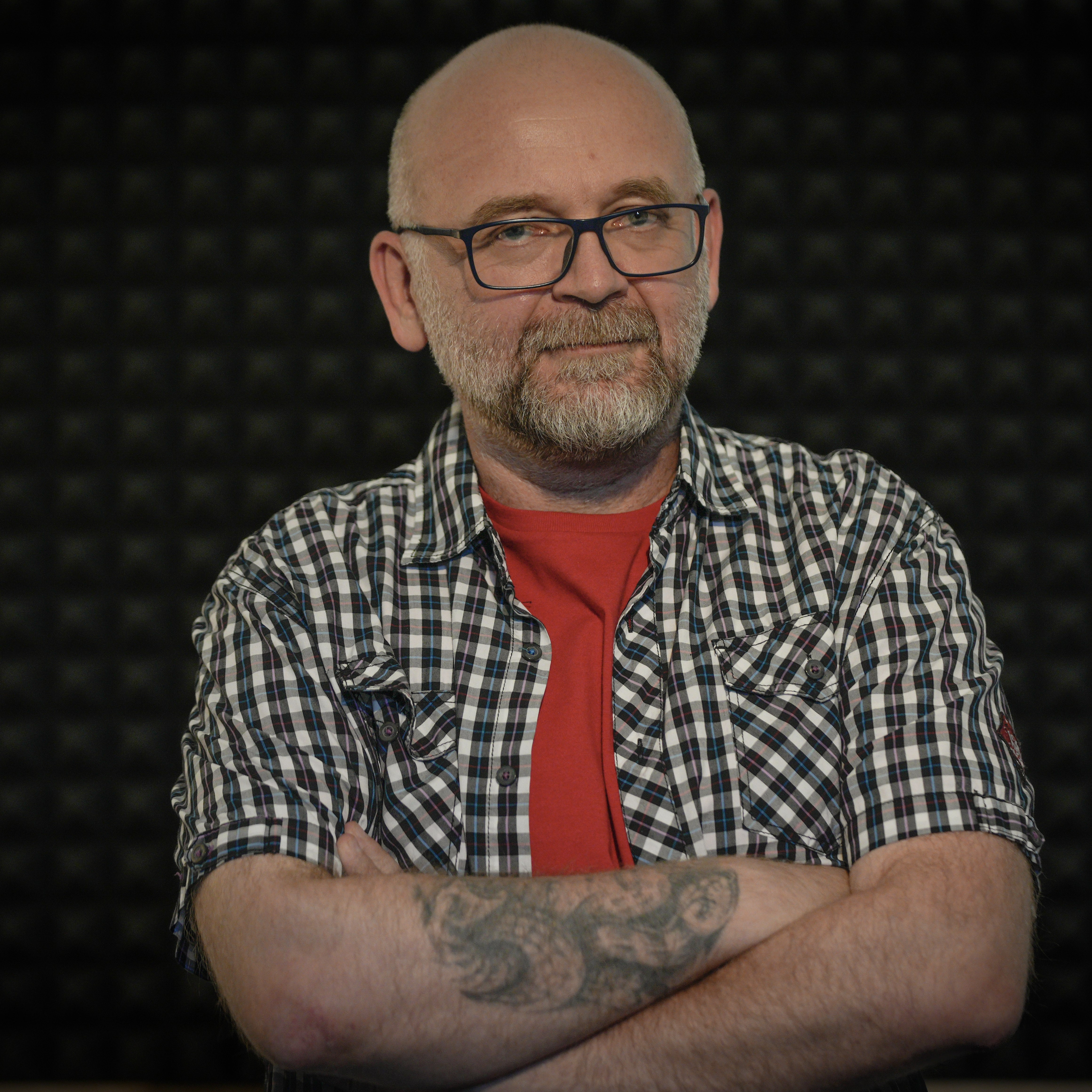
Jarosław Kociszewski is a journalist and international relations expert. For many years he was a Middle East correspondent for the Polish press and one of the hosts of the program “Więcej Świata” on Polish Radio. Presently he is a chief editor of www.new.org.pl portal run by College of Eastern Europe and collaborates with Stratpoints NGO focusing on development and security. He is a frequent guest on several radio programs, where he comments on the current political situation in Asian and African countries. Jarosław Kociszewski is also one of the three founders of Free Range Productions. He will accompany the participants as a mentor during their podcast production.
Dr Natalia Otrishchenko
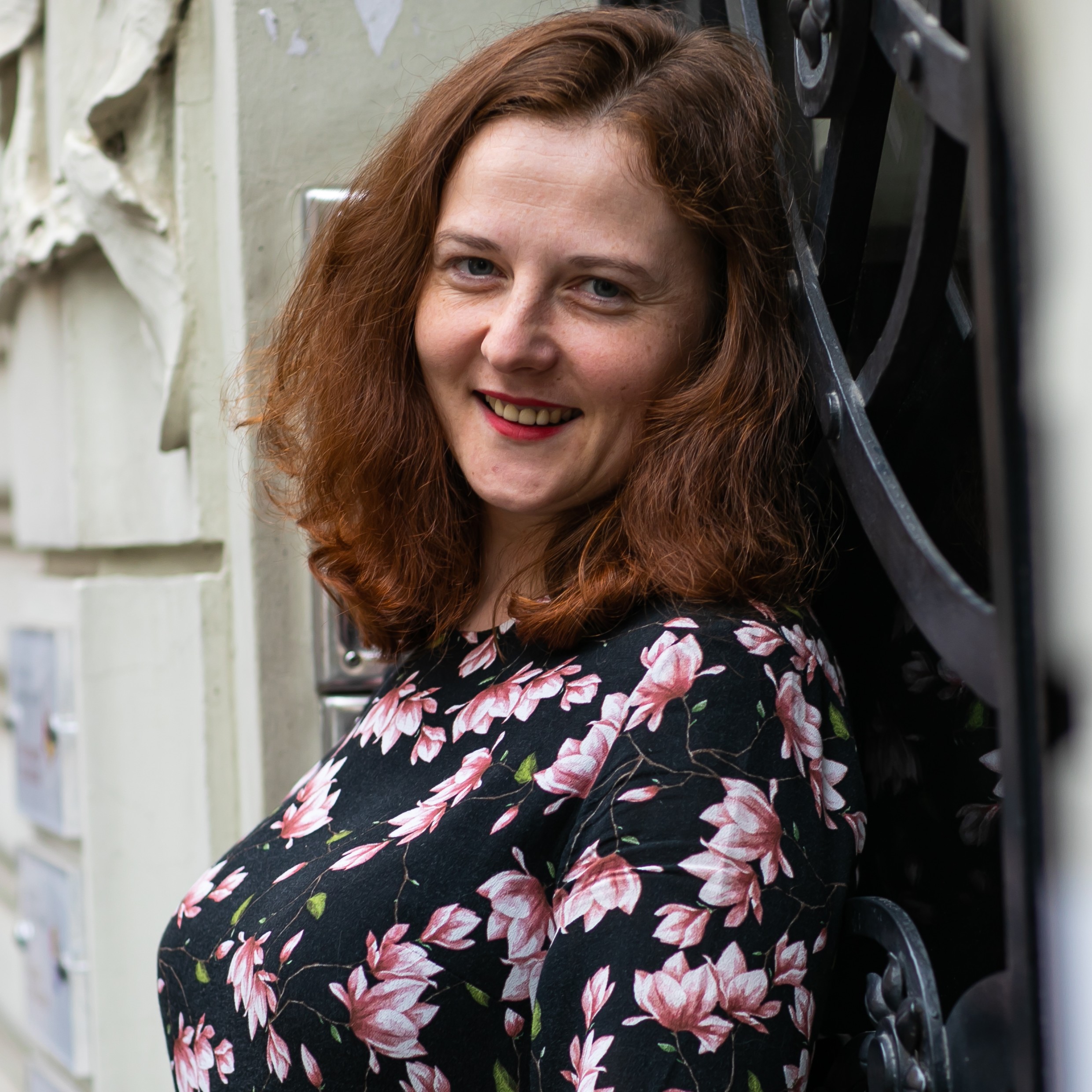
Dr Natalia Otrishchenko is a sociologist and researcher at the Center for Urban History in Lviv. She has been involved in many international projects, including the “Region, Nation and Beyond” at the University of St Gallen, Switzerland, “Memories of Vanished Populations” at Lund University, Sweden, “Historical Cultures in Transition” at Collegium Civitas, Poland, and “Legacies of Communism?” at ZZF, Germany. In 2024–25, she is a UNET Fellow at ZOiS, Germany. Since March 2022, she has led the Ukrainian team in the international documentation initiative “24.02.22, 5 am: Testimonies from the War”. She is the author and editor of Conversations with Those Who Ask about War (2024). She will accompany the participants as a mentor for qualitative research methods and oral history methodology.
Andrew Tompkins
Andrew Tompkins is a historian of transnational relations in post-1945 Europe and a researcher at the German Historical Institute Warsaw. His current project examines everyday life along the Polish-German and French-German borders during the Cold War. He has previously worked at the Humboldt-Universität zu Berlin, NYU Berlin, Universität Erfurt, University of Sheffield, and University of Oxford. He received his DPhil from Oxford in 2013 after prior studies in Chicago, Berlin, Paris, and Chapel Hill.
Project Coordinator
Contact: aleksandra.kalinowska@enrs.eu