
Long forgotten letters
About the Creator
I grew up in the south of Austria in a small village between the mountains and I work as an process engieenr for plastic recycling machines in Linz. In my freetime I love to make music, take care of my bees, hikeing, visiting lost places, research.
When I began renovating my grandparents’ house, I believed I was solving a practical problem. I needed space. What I did not realize was that I was stepping into something far larger than renovation. I was entering a vault of buried history.
The house had not been properly lived in for more than twenty-five years. It had slowly turned into a storage place — a “Lost Place”. It was less a house and more a time capsule.
I had no idea that beneath the dust, there were stories that would reshape the way I understood my family. I thought I was renovating a house in a challenging time of my life. In truth, I was opening a sealed chapter of history that had been quietly waiting for someone to look at it.
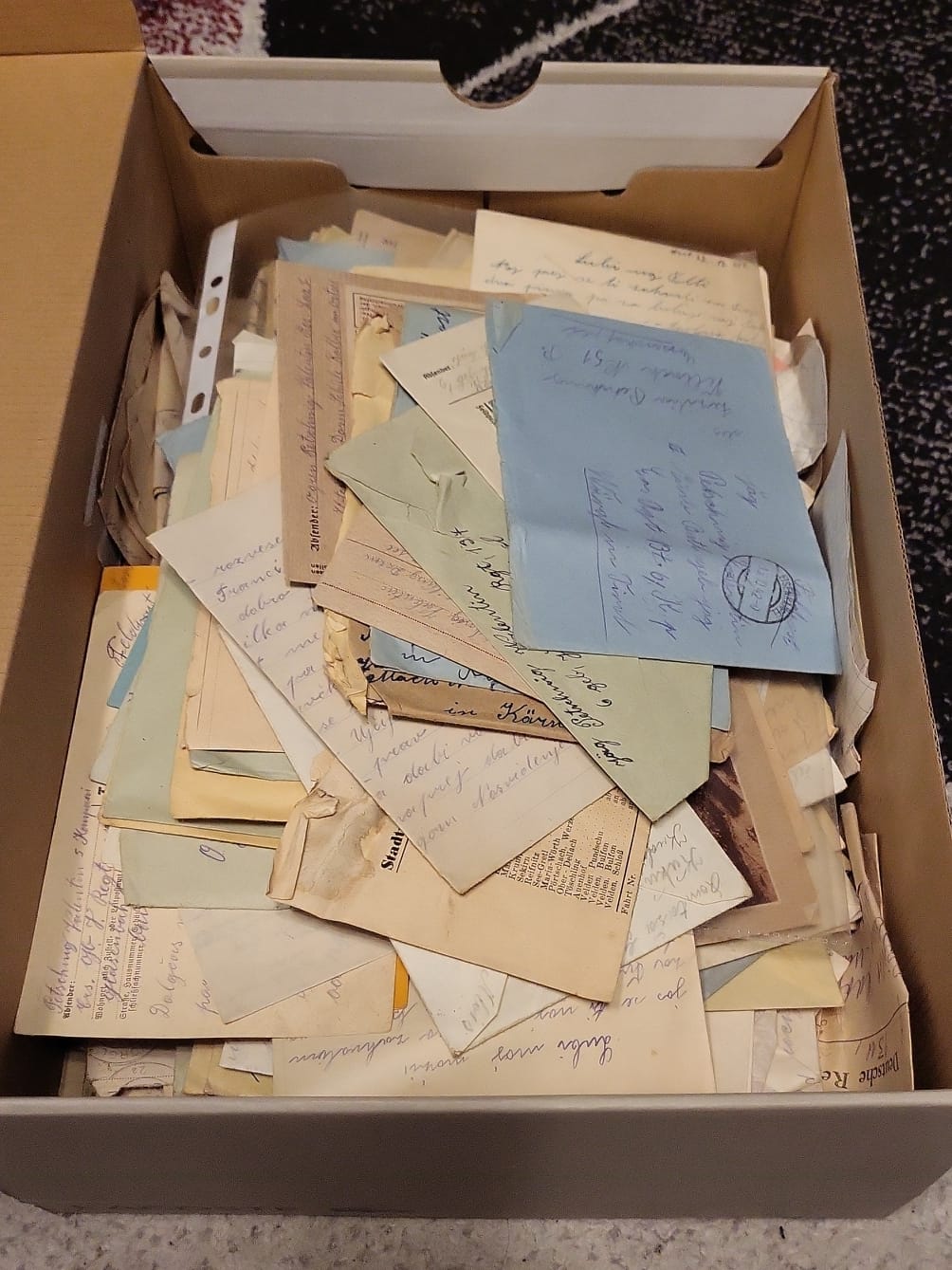
In one of the old wooden drawers of that house, I found something. The field post letters my grandparents had exchanged during the Second World War. They were not carefully preserved in an album or tied together. They were simply there, pushed into the drawer as if someone had closed it one day and never opened it again.
The letters were in Slovenian — the language of my grandparents, the language spoken by almost everyone in my family. A language I never properly learned. That realization stung for a moment, but I pushed it aside. I told myself I would deal with it later. I gathered all the letters carefully and placed them into a box.
At the time, I did not think much more about it. During the war, almost every family had been involved in one way or another. Letters between soldiers and those at home were nothing unusual. I assumed these were simply that — ordinary wartime letters between a young couple trying to stay connected while history unfolded around them.
Time moved on, and I moved to Linz for a promising job opportunity. It was a new chapter. Two or three years passed like that. Slowly, the pressure built up — not from one dramatic event, but from constant strain over time. I slid into burnout. I needed time to recover from the last few years.
During this time, I finally did something I had been meaning to do for years: I visited the Peršman Museum. I thought it was just a museum visit, nothing more. I was not prepared for what followed.
Furthermore, I walked into the exhibition rooms quietly and then I began to recognize names. Faces. Families I knew. The distance between “history” and “my life” suddenly disappeared. These were not abstract victims or distant figures in a textbook. These were familiar names printed on museum walls. The realization hit slowly but deeply — this was not just regional history. It was personal.
One photograph caught my attention more than the others — a portrait of Anton Pečnik (cousin). As a child, I had sat at the same table with him more than once. I remembered the ordinary moments, the shared meals, the quiet presence. Yet not once had the war been mentioned. Standing there in the museum, seeing his face framed by history, I realized how much had remained unspoken.
“One of the reasons I joined the partisans was because I saw what was happening to the Poles. (…) I had already heard about the Carinthian partisans at the front. I received letters from home, and they were written in such a way that I could figure out that resistance was forming in Carinthia. They didn't write about partisans, but about bandits who had appeared, and I knew what was going on.”
When I read those lines, something inside me shifted. Suddenly, the box. The letters. Poland. It all connected. Three years earlier, I had stood in my grandparents’ house, holding those field post letters in my hands and now, in that museum room, I began to understand what they might mean.
The realization hit me all at once. My tears would not stop. They came without control. I moved from panel to panel, more stories, more accounts of arrests, deportations, executions. It was overwhelming.
I drove home to my mother. We talked about this topic for the first time in our lives. We spoke openly about the war, about the resistance, about our family, about what had been carried in silence for decades. It felt as if a locked door had quietly opened.
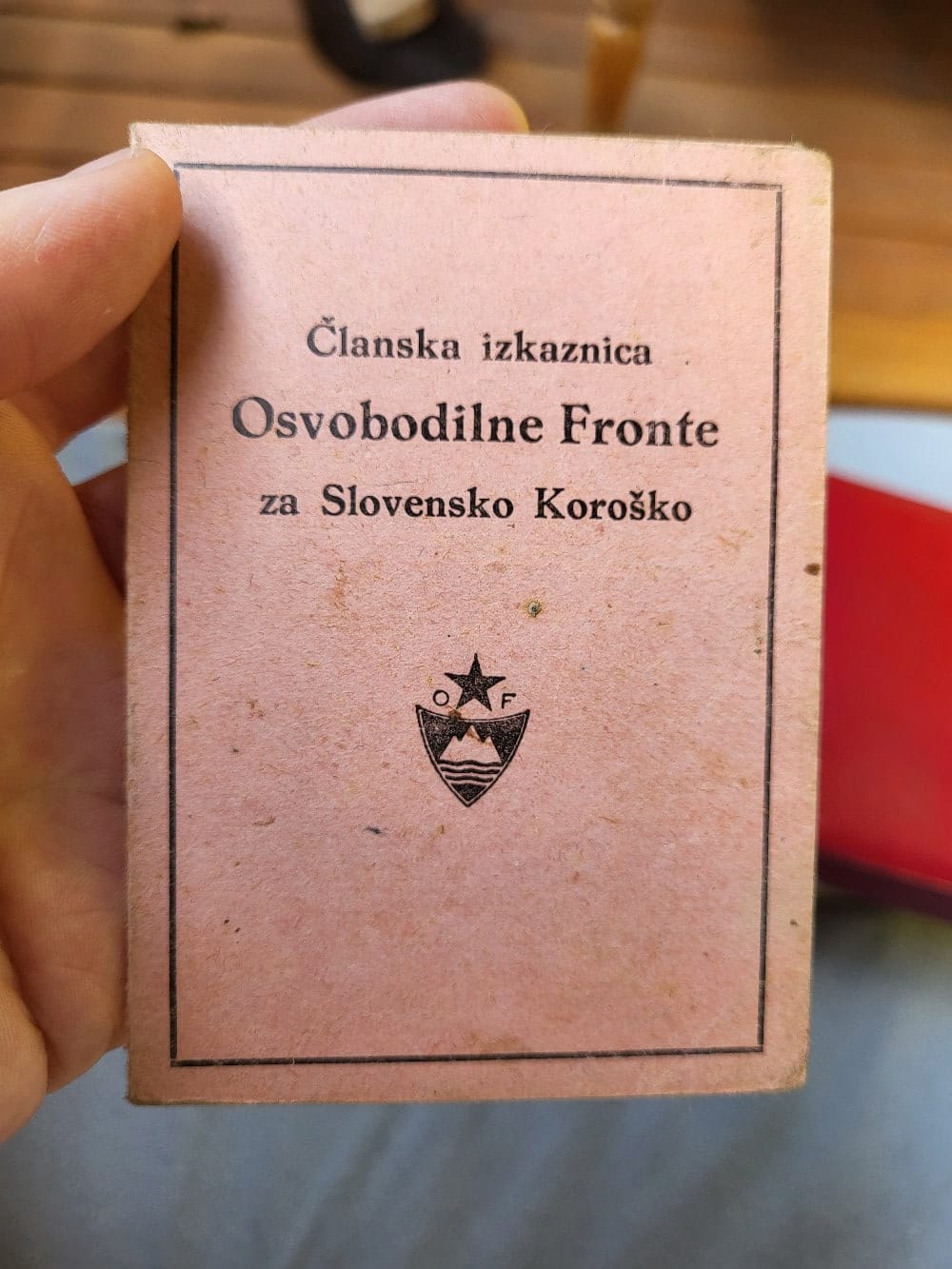
Time passed, and I began to immerse myself more deeply in the history of my village. The partisans. The resistance. I also continued to open drawers in my grandparents’ house. In one of them, I found my grandfather’s passport from the time he was with the OF - Osvobodilna Fronta — the Liberation Front.
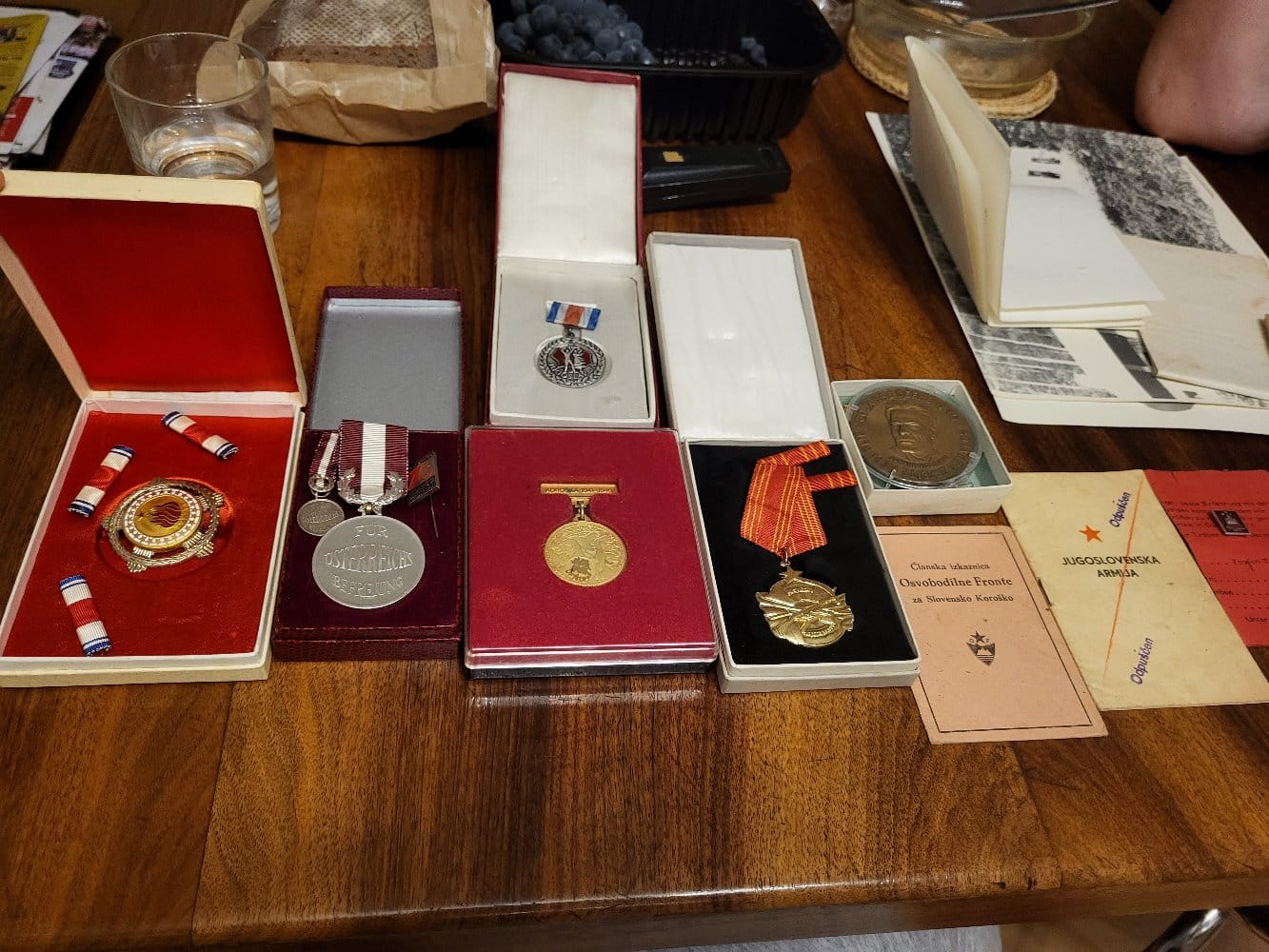
I showed it to my father. He looked at it quietly, then stepped out of the room without saying much. A few moments later, he returned carrying more medals and stuff. He placed them in my hands and said simply, “I know with you they are in good hands. Take care of them.”
Beyond all the pain the war had left in this village, I began to ask a different question: who were the Carinthian Slovenes beyond the trauma? Beyond persecution, beyond resistance, beyond survival — who were they in times of peace? What defined them before the war tried to erase their colours?