
A Silk Blouse as Historical Witness
About the Creator
I am a fashion student, and this project emerged from my desire to better understand my family’s past through clothing. Researching this blouse helped me see how garments can preserve the lived experiences of earlier generations.
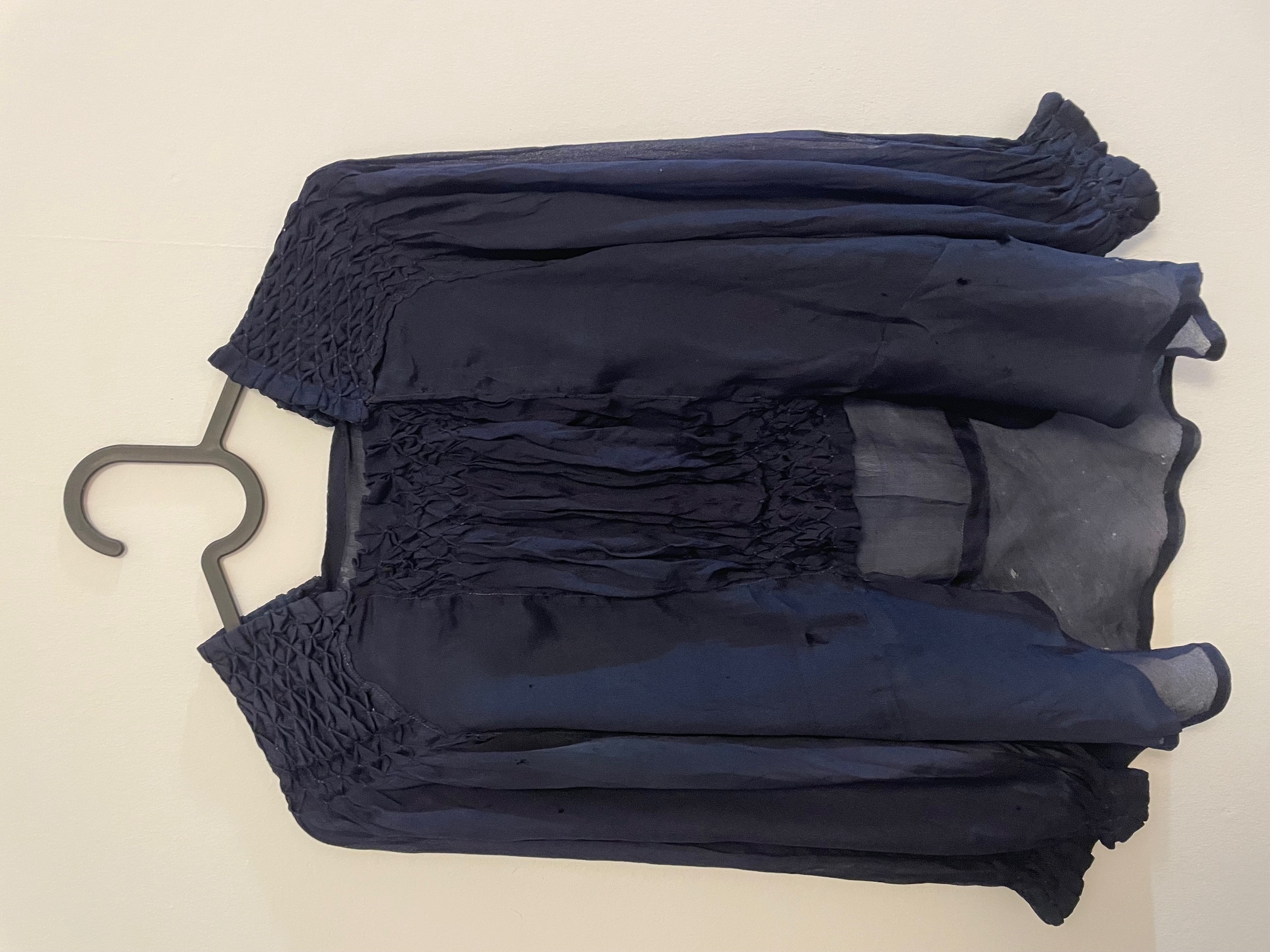
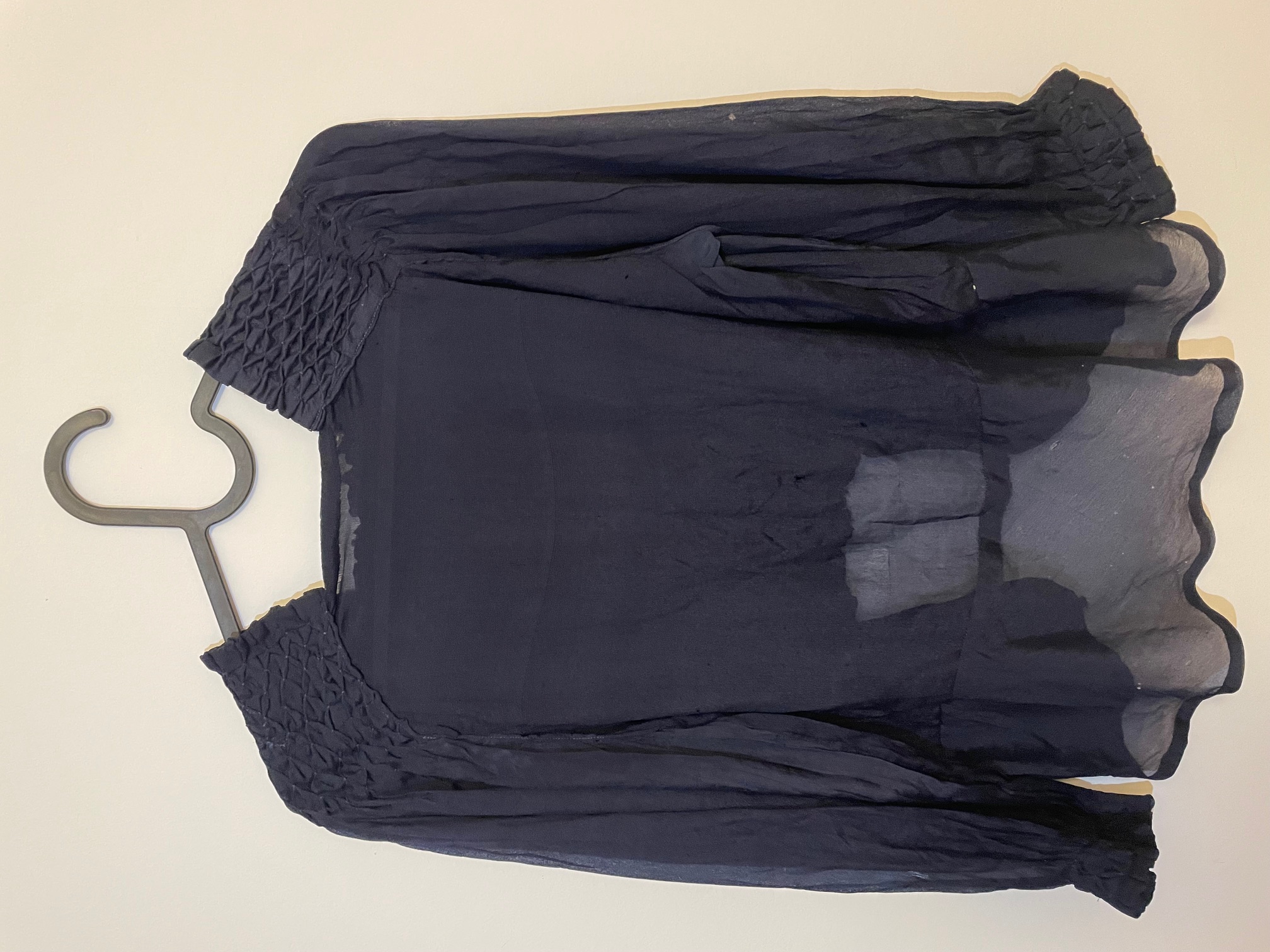
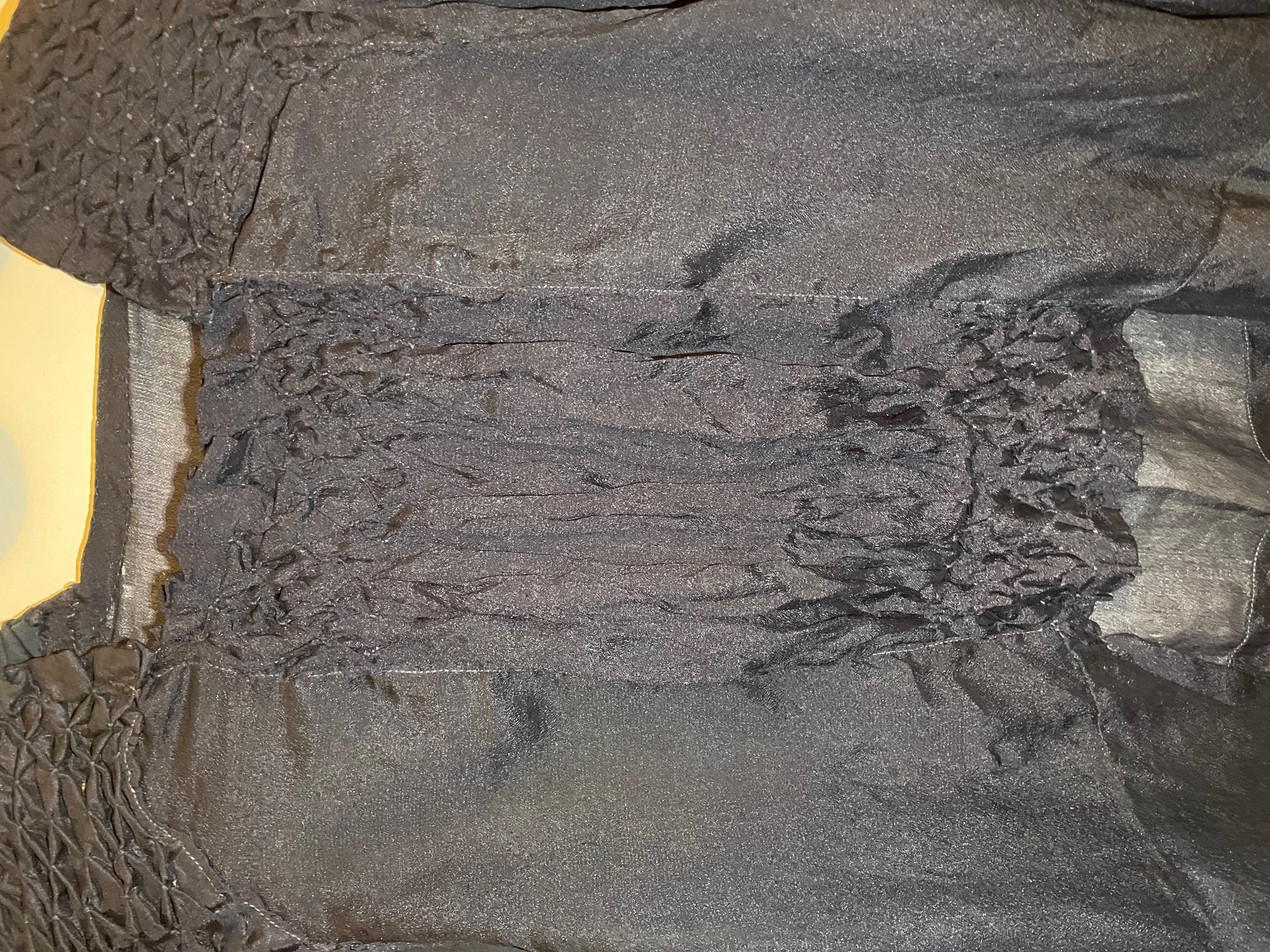
My family treasure is a navy-blue silk blouse made around 1920. It once belonged to my great-grandmother, Dolores Rey Méndez, and today it is kept by my grandmother, who plans to pass it on to my mother. At first glance, it may seem fragile and unremarkable: the fabric is worn, and moths have eaten through much of the silk. Yet this blouse is a historical witness. Through its material, use, and survival, it tells a story of womanhood, social class, and gradual change in early 20th-century Galicia.
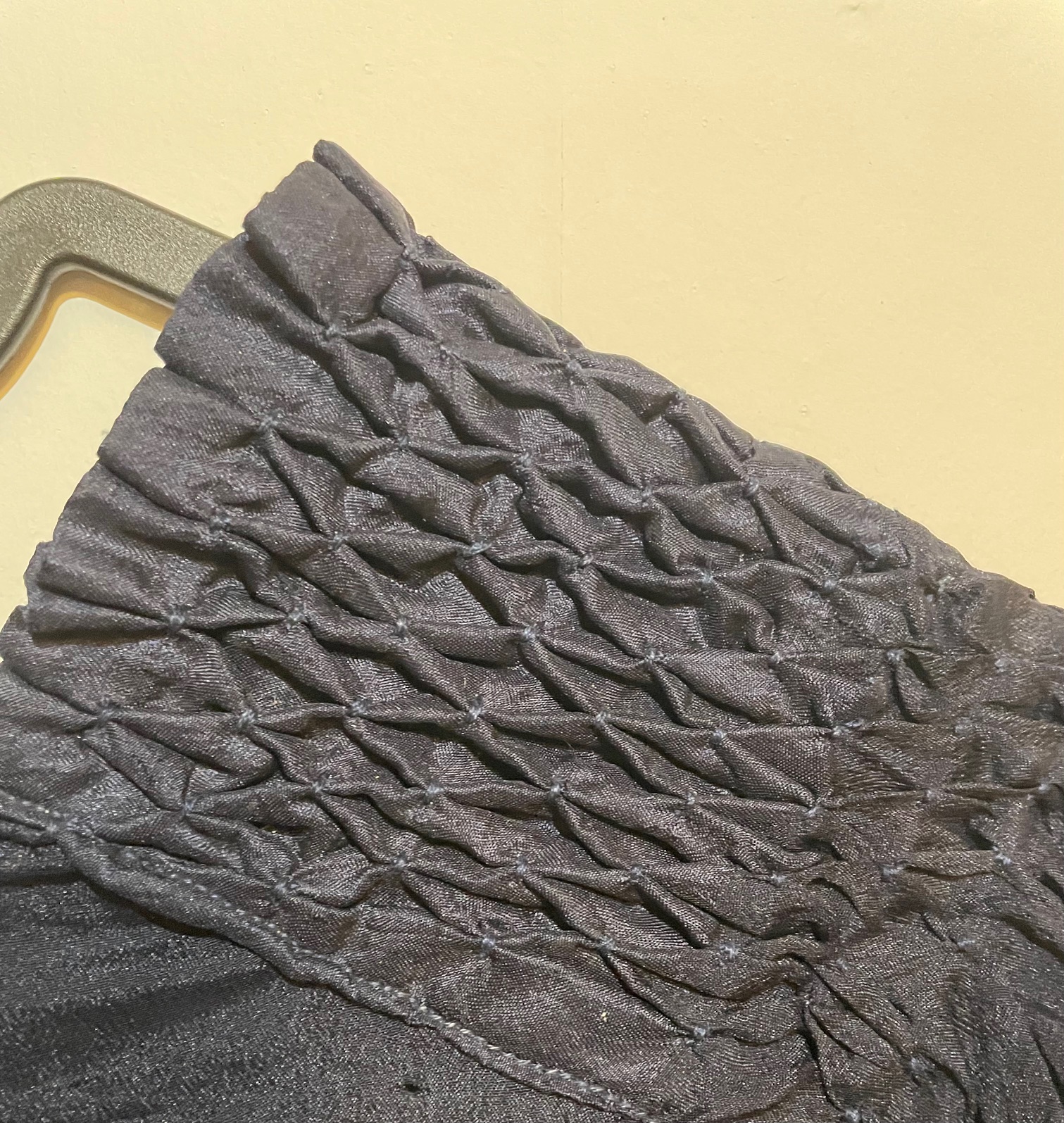
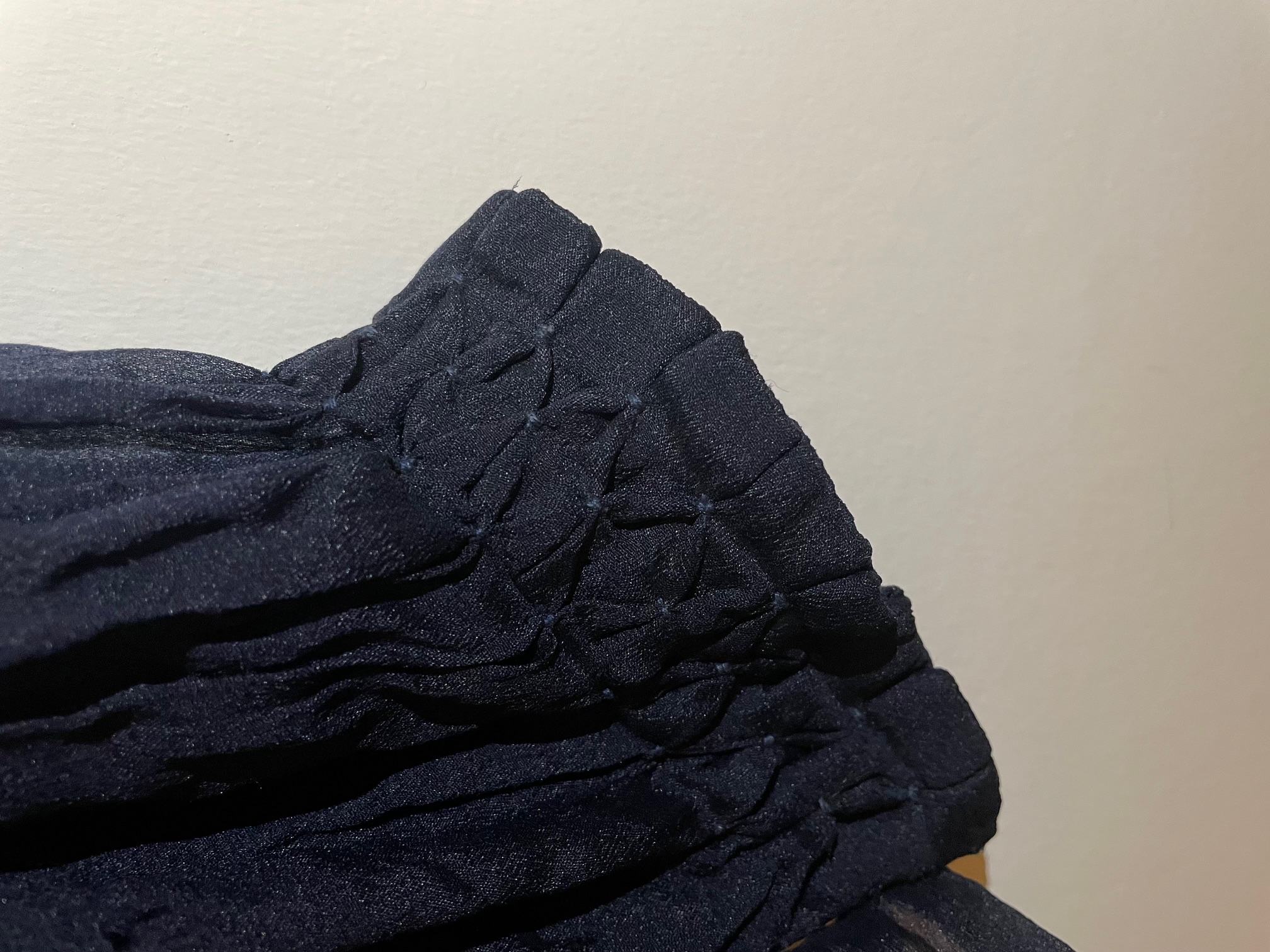
The blouse is made of silk and was sewn by an unknown local dressmaker from the town of Padrón. It has long puffed sleeves, gathered decorative stitching around the neck, shoulders, cuffs, and chest, and an uneven cut (shorter in the front and longer in the back). There are no labels or signatures, which was typical of handmade clothing at the time. Despite its poor condition today, the quality of the fabric and the care taken in its construction indicate that it was a valuable garment, especially for a working-class woman.
According to my grandmother, the blouse was created when my great-grandmother turned eighteen. Like many girls from rural Galicia, she began working very young, around the age of twelve, cleaning and cooking in a large house in Iria Flavia. That house is now the Fundación Camilo José Cela, and it is believed that the woman who employed her was Camila Emanuela Trulock y Bertorini (Camilo José Cela´s mother). Within family memory, Camila had gotten the silk from England, which was hugely valuable at the time and adds international value to the piece.
For her eighteenth birthday, my great-grandmother received an extraordinary gift: a piece of navy-blue silk. It was the first birthday present she had ever received. She later had the fabric transformed into this blouse by a local seamstress. In my family, this moment has been remembered as deeply emotional. As my grandmother recounts, my great-grandmother dreamed that this blouse would finally allow her to attend village dances dressed like a young woman, not only as a servant.
The blouse is closely connected to the broader historical context of Galicia in the early 20th century. Politically, the region was living through the crisis of Spain’s Restoration period, marked by centralization and social inequality. At the same time, Galician cultural and nationalist movements sought to defend regional language and identity. Economically, rural poverty and the lack of agricultural modernization led to mass emigration to Latin America, deeply affecting family structures and everyday life.
Women’s lives were also slowly changing. Although most working-class women remained confined to domestic labour, early feminist ideas circulating across Europe began to influence both social expectations and clothing. Fashion became slightly less restrictive: rigid corsets softened, and blouses made of light fabrics allowed greater freedom of movement. This blouse reflects influences from late Victorian and Edwardian styles, particularly English fashion, consistent with the likely origin of the silk.
My great-grandmother wore the blouse both for everyday outings to town and for special occasions. At a time when owning even a single elegant garment was significant, it represented dignity, aspiration, and self-expression. There are no photographs of her wearing it, and it is not linked to a major family event. Instead, its value lies in its continuity and use in ordinary life.
Today, this blouse remains a powerful family treasure. It connects generations of women and gives shape to histories that are often absent from official records. This fragile piece of silk reminds us that the history of the 20th century was shaped not only by political events, but also by the everyday experiences of people like my great-grandmother, women whose labour sustained families, and whose dreams were stitched quietly into the fabric of their lives.