
Threads of Survival
About the Creator
I am an educator, teaching English and history. I come from a family shaped by the events of the 20th century, whose experiences taught me about resilience and identity. Preserving their stories feels both a responsibility and a privilege.
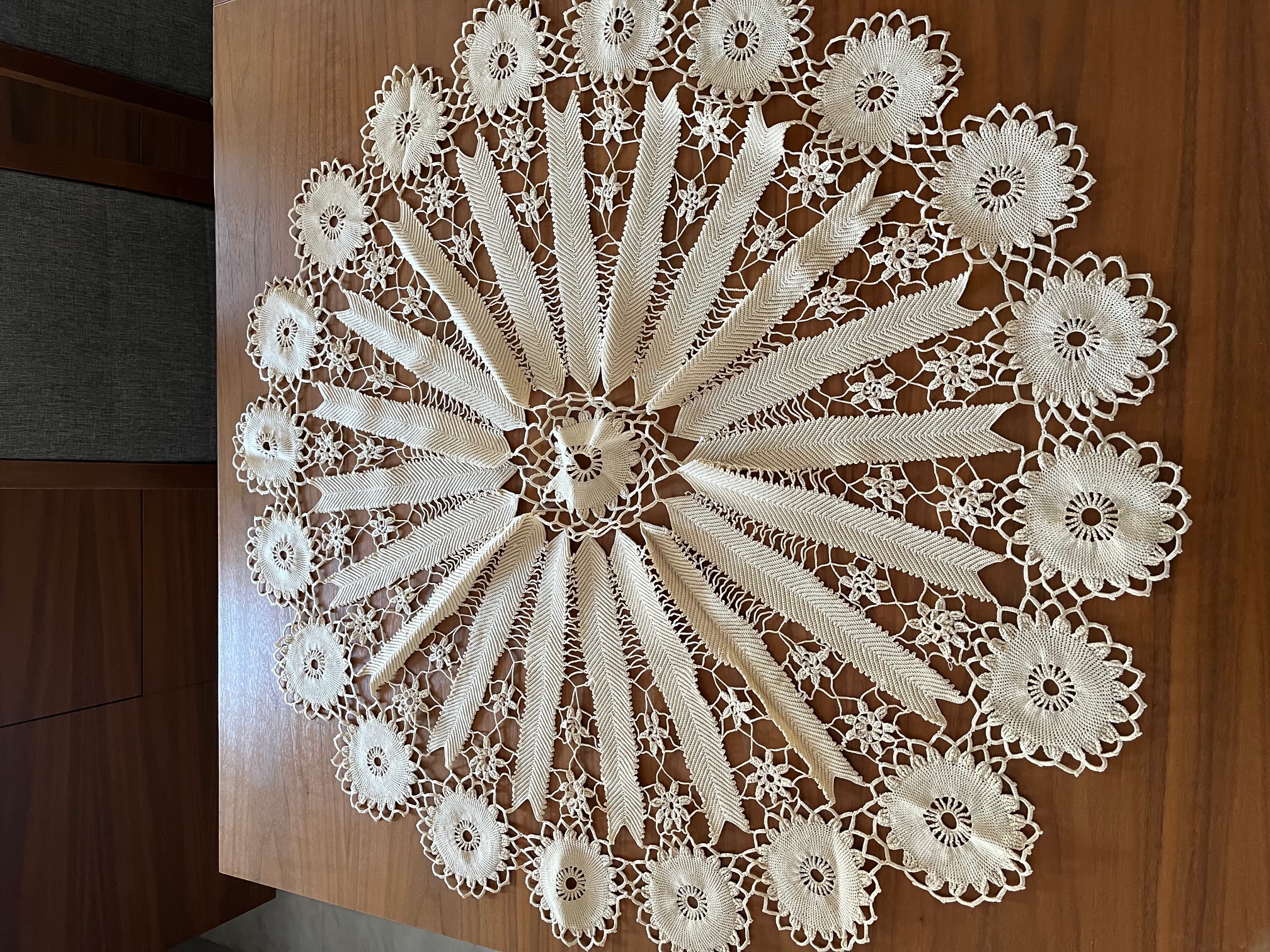
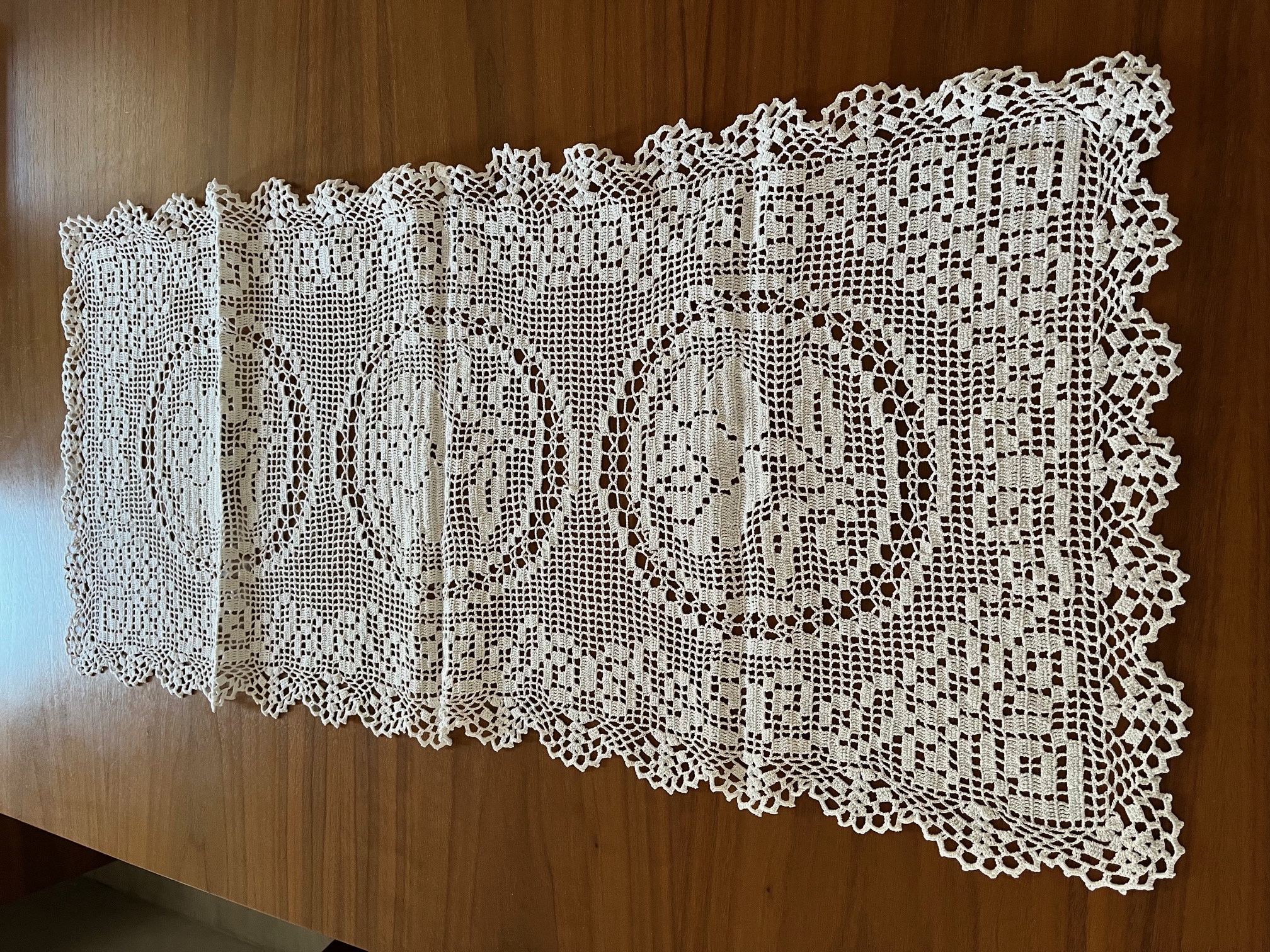
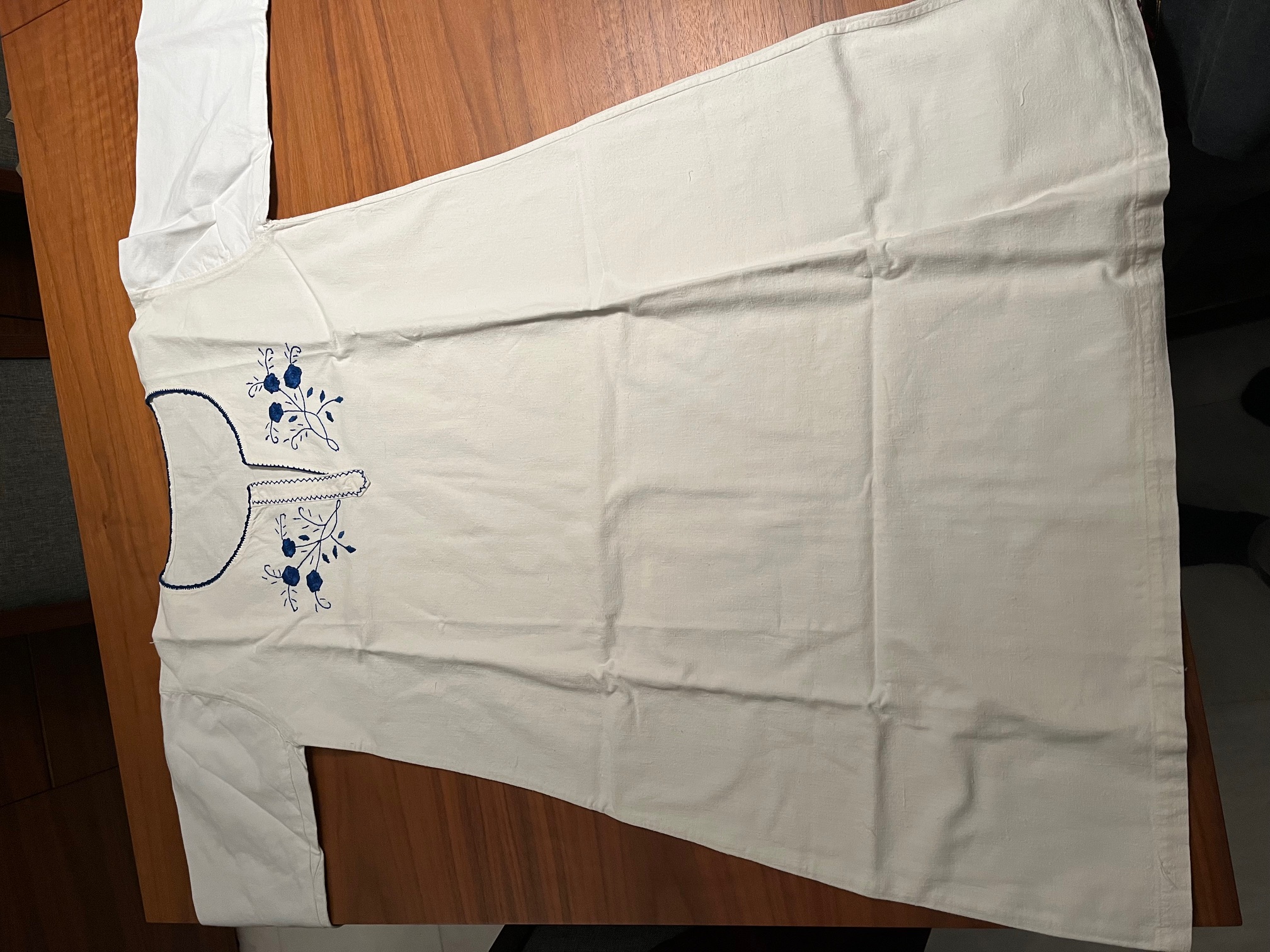
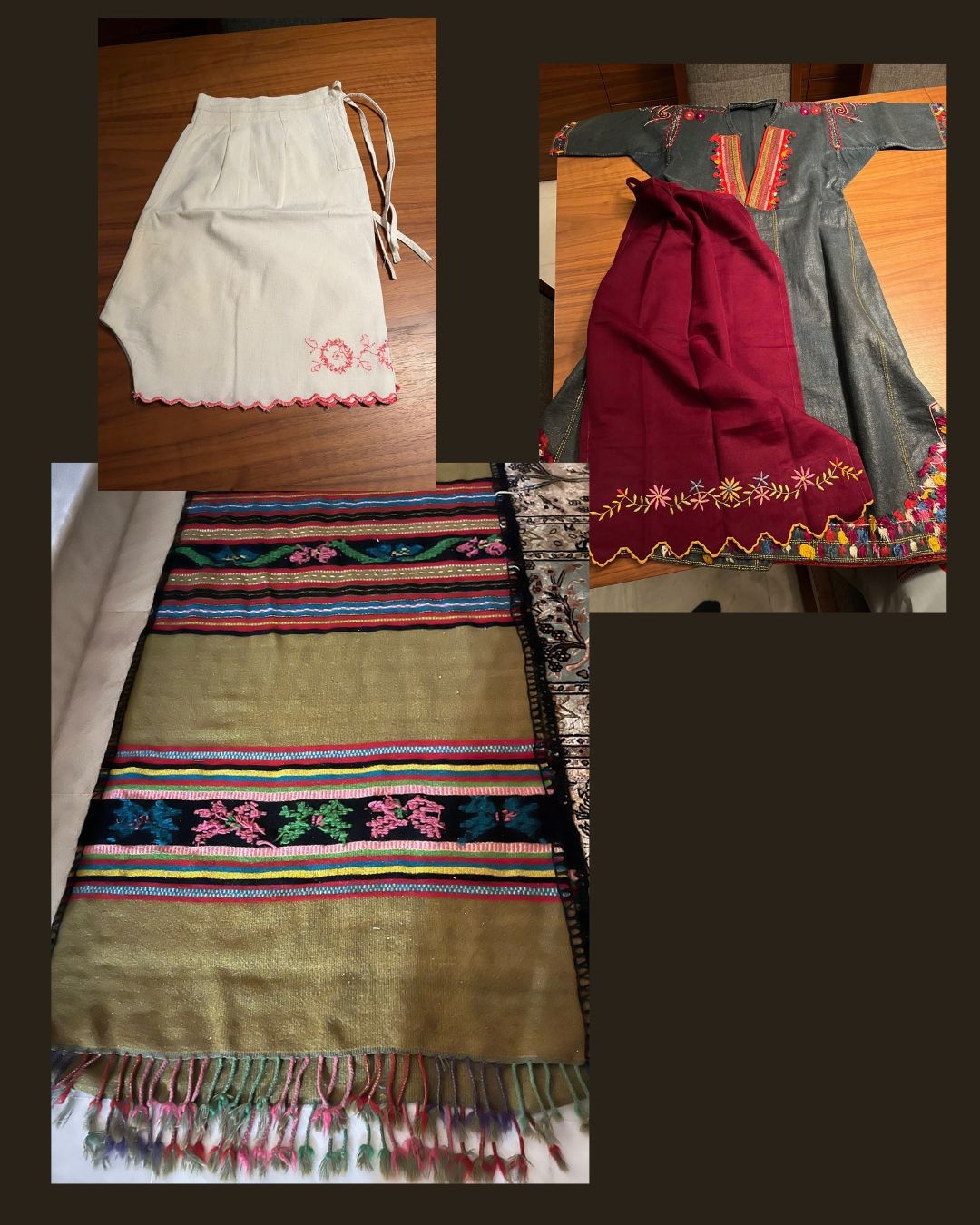
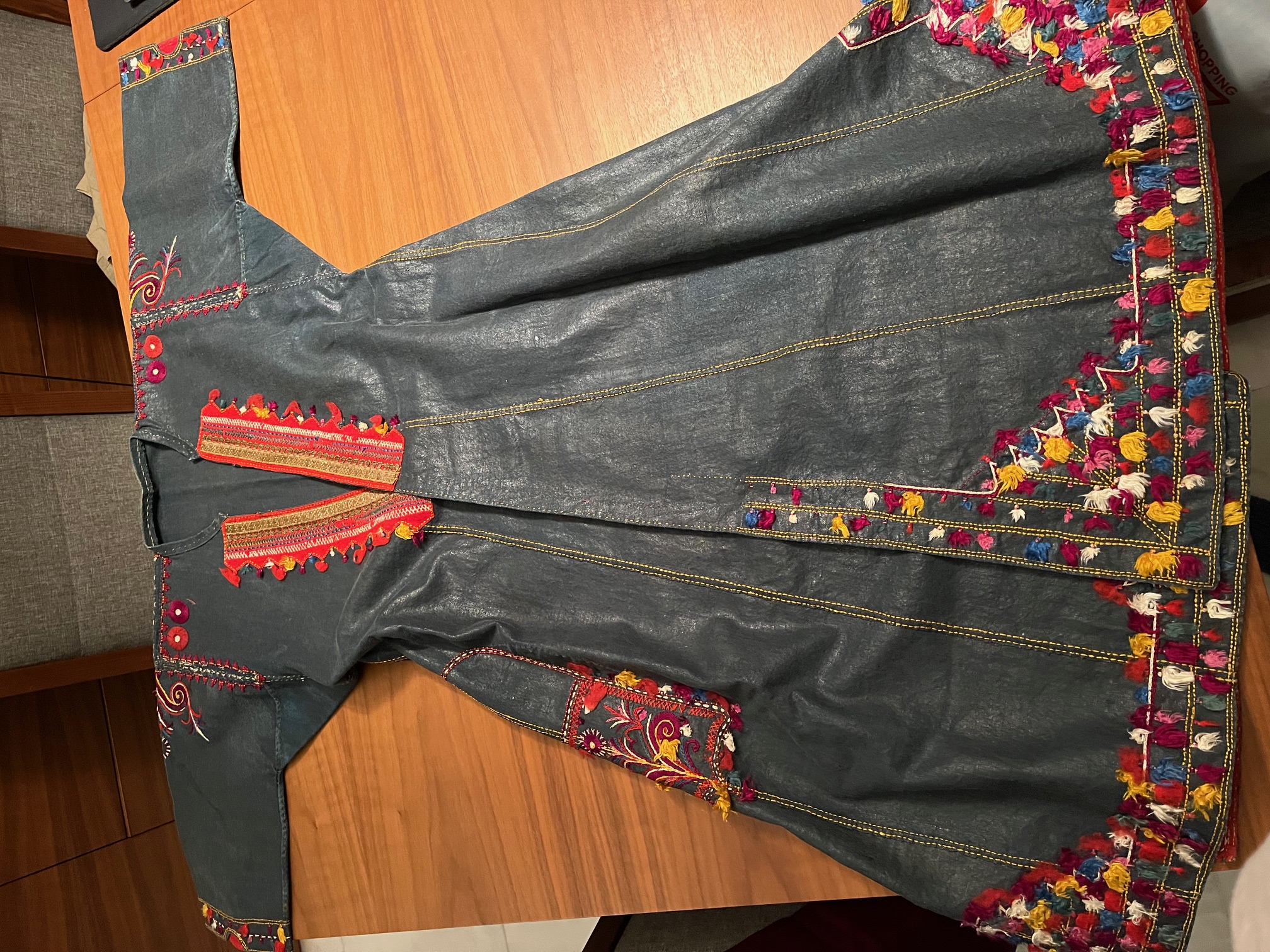
What has endured in my family is not grand or monumental. It is handmade. A dress from 1900. Undergarments from the 1940s. A woven carpet. Crocheted tablecloths. Objects made for daily life, preserved across generations.
They carry the history, resilience, and dignity of people who lived through the upheavals of the twentieth century. Through them, a family story can still be traced in thread and cloth.
On my mother’s side, both of my grandmothers were born near Edessa, when it was still under Ottoman rule. They were born in 1900, twelve years before the city was liberated in 1912. They grew up in a place that changed flags, languages, and authorities.
My grandmother came from the village of Margarita, known in our region for its difficult past. The village takes its name from a young woman, Margarita, who, according to local history, threw herself from a rock rather than submit to a forced marriage to a Turkish officer during Ottoman rule. It is not treated as legend there, but as part of the village’s living memory. Even today, red Easter eggs are thrown from that rock, honouring her final wish. Her act became a symbol of dignity and refusal. For the women who grew up in that village, this was not a distant story. It shaped their understanding of honour, endurance, and the cost of choice.
War was never far from their lives. My grandfather fought in Albania during World War II, and later the German occupation reached Edessa. During that time, the old quarter of Varosi was set on fire in reprisal for resistance activity, destroying many homes and leaving a lasting mark on the city. German soldiers were stationed near my grandparents’ house, and my grandmother recalled how they sometimes gave biscuits to the children—a small, almost absurd gesture of humanity amid fear. Later, the Civil War further divided the country, and her brother left Greece because of it. Stability was rare; the century did not move gently for them.
On my father’s side, my grandfather came from Imvros, an island in the Aegean whose Greek population lived through decades of uncertainty in the twentieth century. Although the island was meant to retain its Greek character after the First World War, political changes gradually altered daily life. Many families left, carrying with them memories of a homeland that no longer felt secure. Imvros became part of a broader story shared by many Greek communities of Asia Minor—displacement, loss, and the redefinition of identity.
His wife, my grandmother, came from Epirus, a region also shaped by hardship. Epirus was marked by the Balkan Wars, shifting borders, poverty, and later by the battles against the Italian army in 1940. It was a land of endurance, where survival depended on resilience and strong family bonds. Together, they built their lives under the shadow of larger political forces, carrying histories that were both regional and deeply personal.
When I married, I realized that my husband’s grandmother, too, had preserved handmade linens of her own. Different house, same gestures. The same quiet insistence on making something that would remain
Throughout all this, the women of my family continued to weave on the loom and crochet. The dress dates from the years before liberation. The undergarments and carpet belong to a decade marked by World War II. The tablecloths I now have were made later, around the 1960s, yet they continue the same practice. Each piece reflects patience, skill, and the insistence on order in uncertain times.
These were not luxury items. They were necessary, practical, meant for use. Yet in their making there was intention. Care. Structure. In periods of instability, creating something by hand was more than domestic labour; it was a quiet affirmation of dignity. It meant that even when history was violent and unpredictable, the rhythm of the home would continue.
Our mothers kept all these carefully folded for years. In doing so, they preserved more than fabric. They preserved continuity. When I unfold them now, I see more than craftsmanship. I see people who endured occupation and division, who rebuilt their lives without spectacle, who chose to make rather than surrender.
History often speaks loudly, through battles, treaties, and dates. In my family, it also survives in cloth shaped by steady hands. These handmade pieces remind me that even in the darkest times, ordinary people created what was needed and, in doing so, preserved hope. Not monuments. Not headlines. Just something made to last, and to carry life forward.