
Pages of my mother's family history
About the Creator
I am a chemistry teacher of the highest qualification category at the Republican Ukrainian Theoretical Lyceum Complex. I have 40 years of teaching experience.
My name is Elena, I'm 59 years old, and I live in Moldova. I'd like to tell you about my mother's family, whose life is closely connected to Poland. When you're young, the world is vast, your opportunities are vast, and you don't think much about how your ancestors lived or what they did. But as you get older, you begin to understand that this is important.
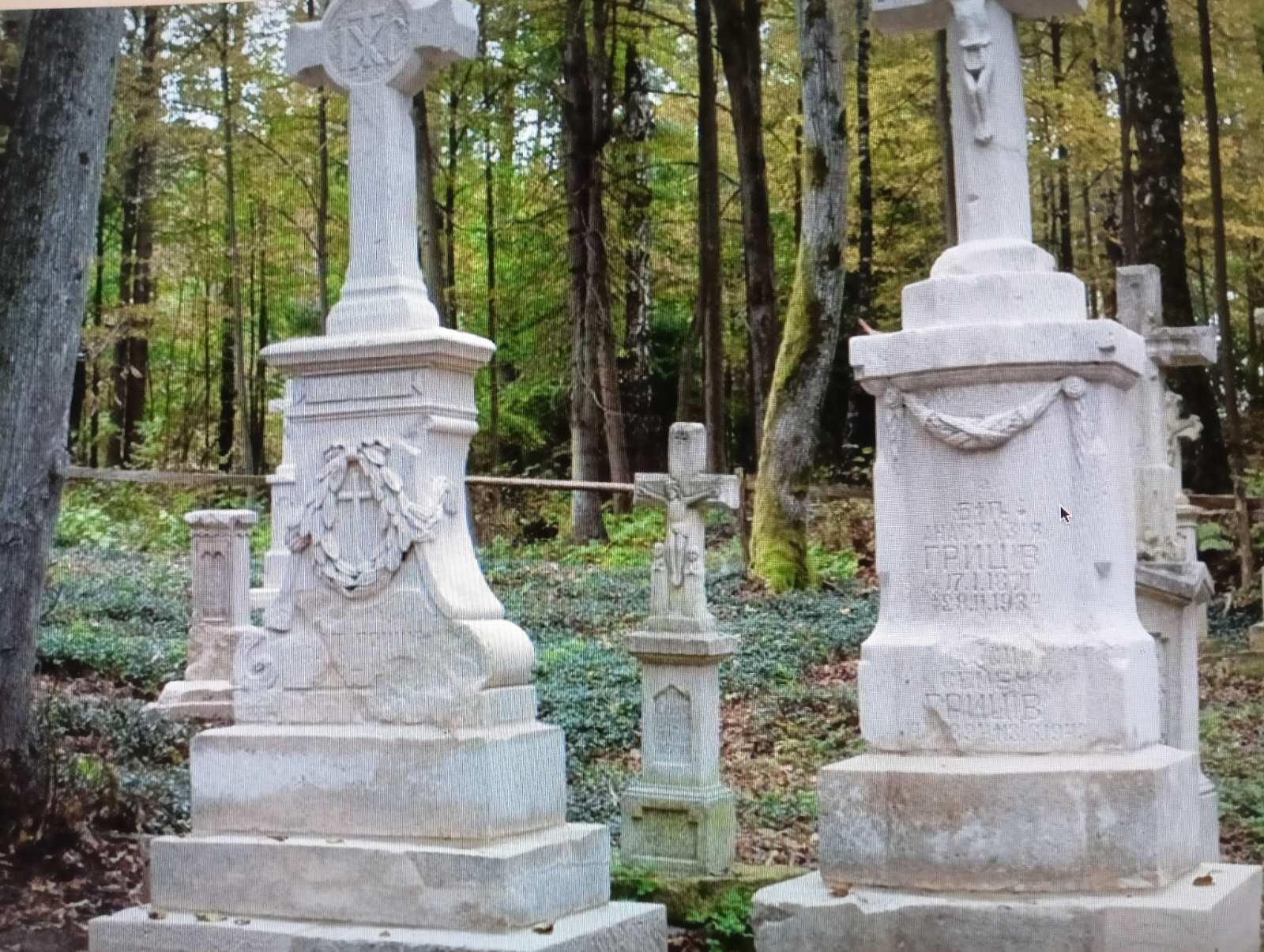
Stare Brusno is an old Ukrainian village in Lyubachivske County of the Subcarpathian Voivodeship. The first mention of it dates back to 1444. Now it's gone; a forest grows in its place, and only an old cemetery and the ruins of an old church remind us that people once lived here. A lot of people! Stare Brusno has always been a part of our family, like some kind of fantasy world, the place where the Gritsiv family originated. More precisely, it's the place where her father, grandfather, and grandmother were born and lived. For us, the descendants of settlers, Stare Brusno remains only in photographs of her family, when they still all lived together, and in photographs of the most beautiful monuments on the graves of loved ones.
My grandfather, Mikhail Gritsiv was born into a large family. There were six children! His father, Gnat Gritsiv (my great-grandfather) was a stonemason —the artistic processing of stone—and he made monuments. In the early 30s of the last centuries, the village became the centre of the Brusno school of stonemasonry. Village residents had long worked in sandstone deposits in the local quarry. The most famous representative of this school was the sculptor and artist Grigory Kuznevich. My grandfather's cousin, Paraskovia Gritsiv married his brother, Andrey Kuznevych. Monuments marking Gnat's graves remain in the cemetery. Gritsiv and his wife, Anastasia. These monuments are true artistic sculptures and were restored by volunteers from the Polish-Ukrainian society "Magurich", as well as the efforts of the Lubachiv Forestry Department, which maintains the cemetery. Our family is very grateful to them. The monuments have been restored and have a dignified appearance. Unfortunately, time has passed, and we cannot find out who created them. Several families in the village were engaged in this art form.
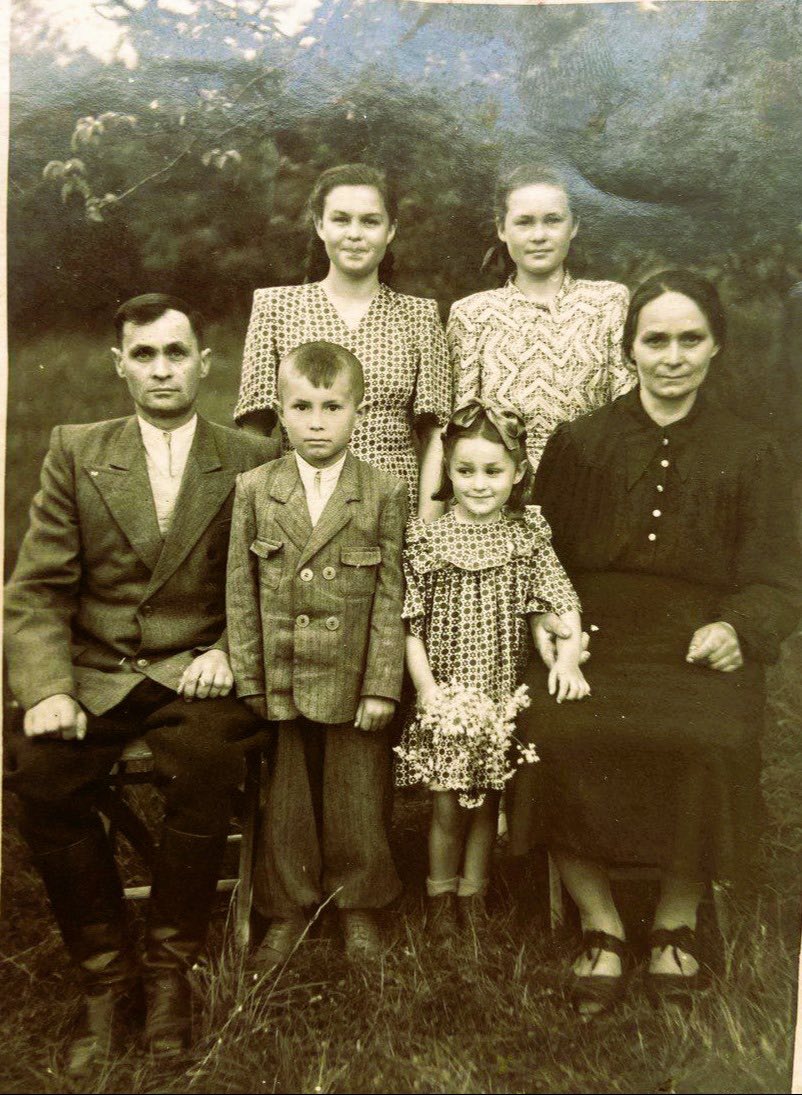
My grandfather, Mikhail Gritsiv , didn't inherit this skill for working with stone. After marrying my grandmother Katerina he moved to live with her in the neighbouring village of Zhukov. My grandmother was descended from the Lashin family. Her father Andrei Lashin (my second great-grandfather on my grandmother's side), fought in World War I and was shell-shocked. After the war he went to America to find work, where he worked in a weaving mill. There he met my great-grandmother Anastasia (from the Grad family), who also came there to work. After living there for several years they returned to Poland, to their village of Zhukov. Great-grandfather Andrei brought back the plans for a loom from America, built one, and began weaving cloth. It was in great demand, and after some time, they were able to build a large brick house. The house still stands in the village of Zhukov; people live there, and we are very pleased that the house hasn't fallen into oblivion. Two daughters were born to the family: my grandmother Katerina and her sister Marinka. After my grandfather Mikhail and grandmother Katerina married, they had three children: Daria, Maria, and Myron. Maria is my mother, now 86 years old! The family had a large farm. My great-grandfather Andrei was a weaver, and my grandparents farmed the land and raised livestock. But World War II began , Poland was occupied, and much grief and misfortune followed. In 1946 the family moved to Ukraine to visit my great-grandmother Anastasia's relatives in the Lviv region of Ukraine. And life began a new! They restored the old house in the village of Pomoryany, and another daughter Nadezhda was born. Unfortunately, my great-grandmother Anastasia didn't live long after what she experienced and died. I didn't live to see her, but I remember my great-grandfather Andrei well, even though I was a child. He lived to be 94! Grandmother Katerina also died at a relatively young age, not yet 60. As a memento of the family, we have only one photograph from 1954. It shows my grandfather Mikhail, grandmother Katerina and their children. My mother is standing on the right in the top row. She was the second oldest of the children. Because times were hard and there was a move, this photograph is one of the relics from when they were all still alive and well. Currently, in addition to my mother, her younger sister Nadezhda is alive and lives in Lviv. What Stare Brusno? The village ceased to exist in 1947. In 2016, thanks to the Magurich Society and the Vyriy public organization, the book "Stare i Nove Brusno" was published. On
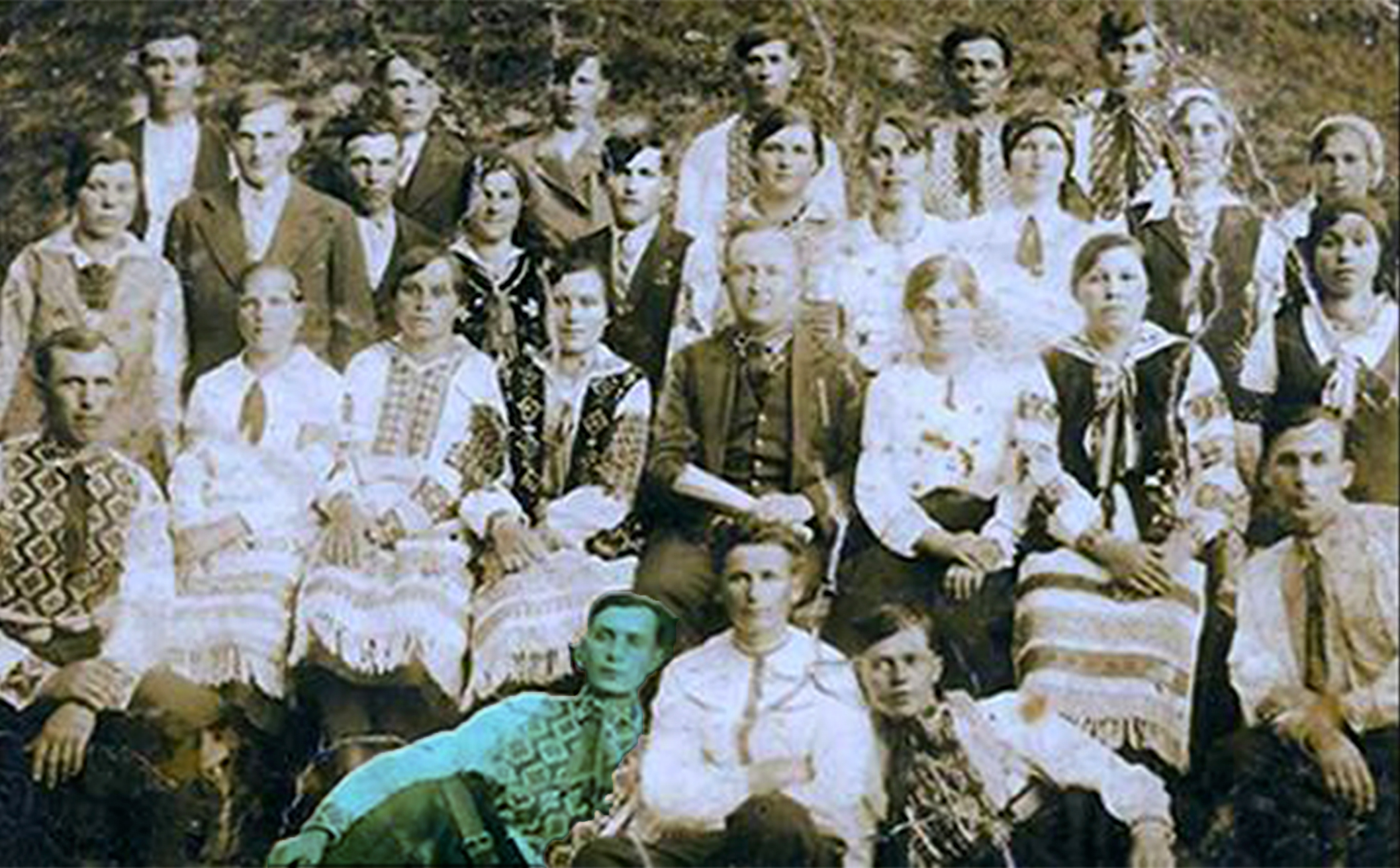
the cover of this book is a photograph of the youth of the village of Stare Brusno together with the church's steamer. And a miracle! On it in the first row on the left sides - My grandfather's brother Nikolai Gritsiv! This photograph is another heirloom of our family. In 1998 our friends the daughter of neighbours in the Stare Brusno. She returned with great news for us. Her family lived not far from my great-grandfather's house. She found a stone pillar that our great-grandfather Gnat had dug into the grounds by the gate of his property. It's amazing, so many years have passed, the forest has grown, and now we know the spot where their house stood.
This is a short story from the life of my mother's family. We now live in Moldova. That's a different story. My daughter and her family are now in Poland; they are refugees from Ukraine. My second grandson was born in Poland. They bought a house, work, and live near Warsaw. Life goes on!