
My family Hero - a Treasure of Memory and History
About the Creator
I am a student in "Nicolae Iorga" lyceum. After years of learning about our history, i understood how many heroes are in my family, that’s why is why i decided to share it with you.
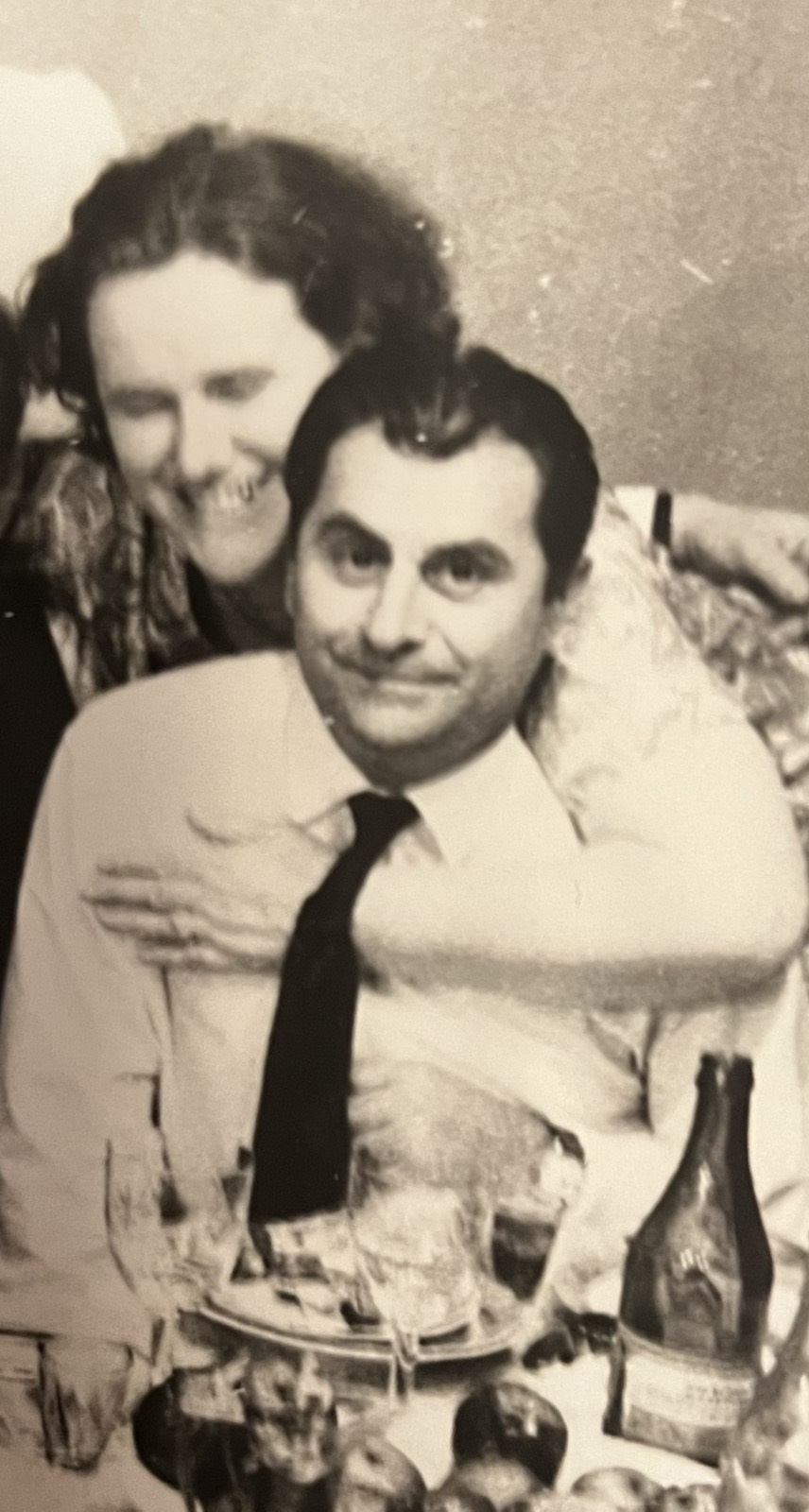
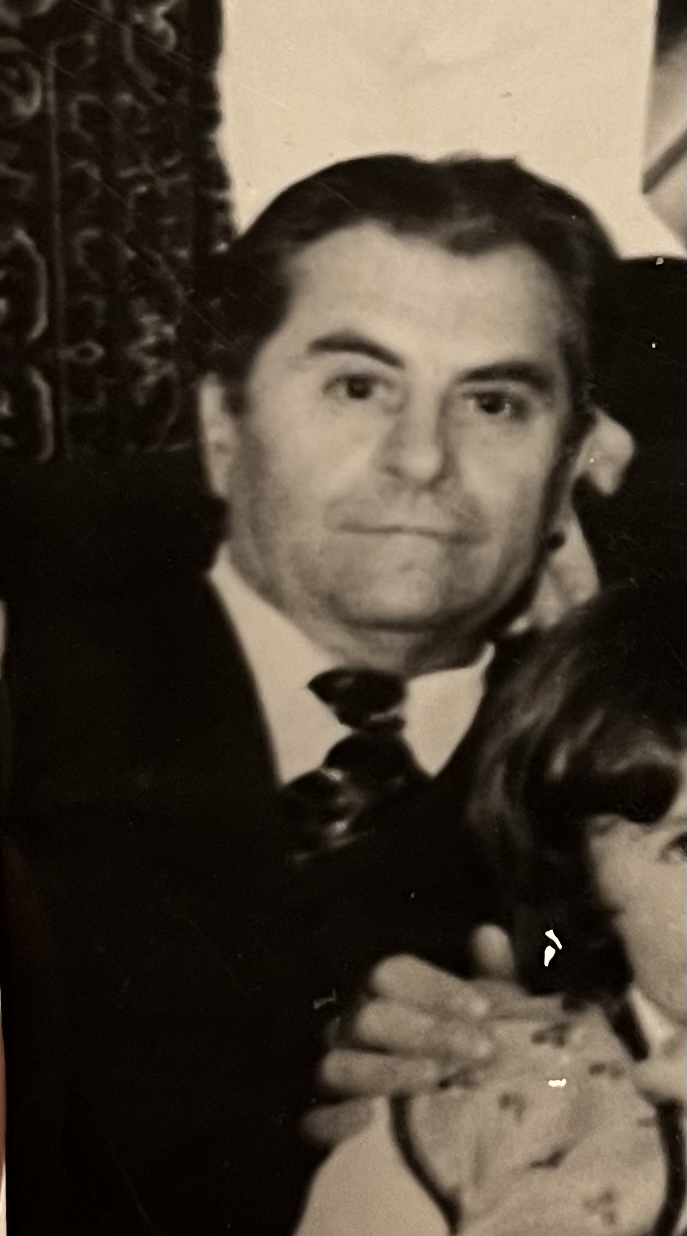
A thing I hold close has nothing to do with riches or keepsakes wrapped in velvet. What matters most began long ago, carried forward in still images showing my great-grandfather, Vladimir Parfenti, who moved through decades marked by upheaval and change. Though he never spoke much, his face tells what words left behind - moments stitched together by conflict, dread, fragile light, and staying alive. These pictures stand where memory fades, quiet proof of a path walked without fanfare.
Born in 1921 in Bălți, Bessarabia, Vladimir Parfenti came from a well-educated family held in high regard. At the train station he found work, his father did, whereas teaching shaped his mother's days. Peace marked those early years, yet such calm didn’t last long once history began pressing hard. War and upheaval swept through lives, turning regular folk into wanderers, fighters, captives, or those who made it through - just like my great-grandfather ended up being each one.
That year, war still raging, the family left Bessarabia behind, heading for Oltenia. Vladimir got called up by Romania’s army, assigned next to training at a reserve officers' school in Ploiești. Come April fifth, nineteen forty-four, U.S. planes struck the city - targeting refineries feeding fuel to Hitler’s forces. The blast wiped out the barracks where he served. Word came back: buried under rubble, gone like the rest. Relatives were told there’d been no survivors. Weeks passed with grief piling up around a boy they thought lost. Luck stepped in - the blast hit while he was off duty, resting miles away.
Yet staying alive didn’t bring liberty. Once Romania fell under Soviet control, those who had fled Bessarabia were made to go back. Since Vladimir once trained in the Romanian army, officials saw him as untrustworthy. They took him into custody then shipped him off in March 1945 - sentenced to labor in Donbas’ coal pits. Beneath the earth, without daylight, captives endured harsh work, given little food, used like tools that could be tossed aside during Stalin’s early rule. Most never came out again.
Running meant survival, so Vladimir fled. Trains carried him forward, though papers were nowhere to be found. Distance stretched between him and safety, yet family pulled him onward. By September of 1945, he stood at the door again – few thought it possible. His mother tucked him into a wooden sofa as boots climbed the stairs. Breath stilled, hearts paused, bravery stayed quiet beneath the floorboards.
Out of nowhere, the family gave up every single thing they had just to get fake papers for him. Thanks to his sister Eva - braving beatings, sickness, and long treks through unsafe zones - he became known as Parfentiev. Survival in postwar Eastern Europe meant reshaping your past, so he did exactly that, like countless others caught in political storms.
Starting over in Slatina, Romania, he took work as a designer inside a salt mine. Marriage came in 1947 when he joined with Ilona Orash; from that bond grew a family - small proof of peace amid a turbulent age. By 1968, steps turned back toward Bessarabia, guided by the need for his children to learn in Chișinău and touch what was once familiar. His path stayed fixed on engineering until the end arrived in 1992, closing both his story and a chapter in global change as the Soviet structure fell apart.
Through the lens of time, Vladimir Parfenti's pictures hold what words cannot. Not just a past kept safe but proof: survival through conflict, silence under rule, movement without choice, grief carried long. His eyes in those frames - mine meet them - not merely bloodline stared back, yet an entire region’s weight shaped into skin, bone, breath.
History usually gets told by wars, maps, lines on a page - yet it hides more truthfully in moments like his. What my family holds close shows time isn’t far away; it moves quietly through bloodlines, bending present lives without noise.
Stillness lives in those images, carrying grit and quiet pride instead of words. My great-grandfather whispers through time because of them, showing how light persists when everything else fades.