
A Sombrero as a Symbol of Love and Freedom
About the Creator
Ayeesha (17), Kazakhstan
A Sombrero as a Symbol of Love and Freedom
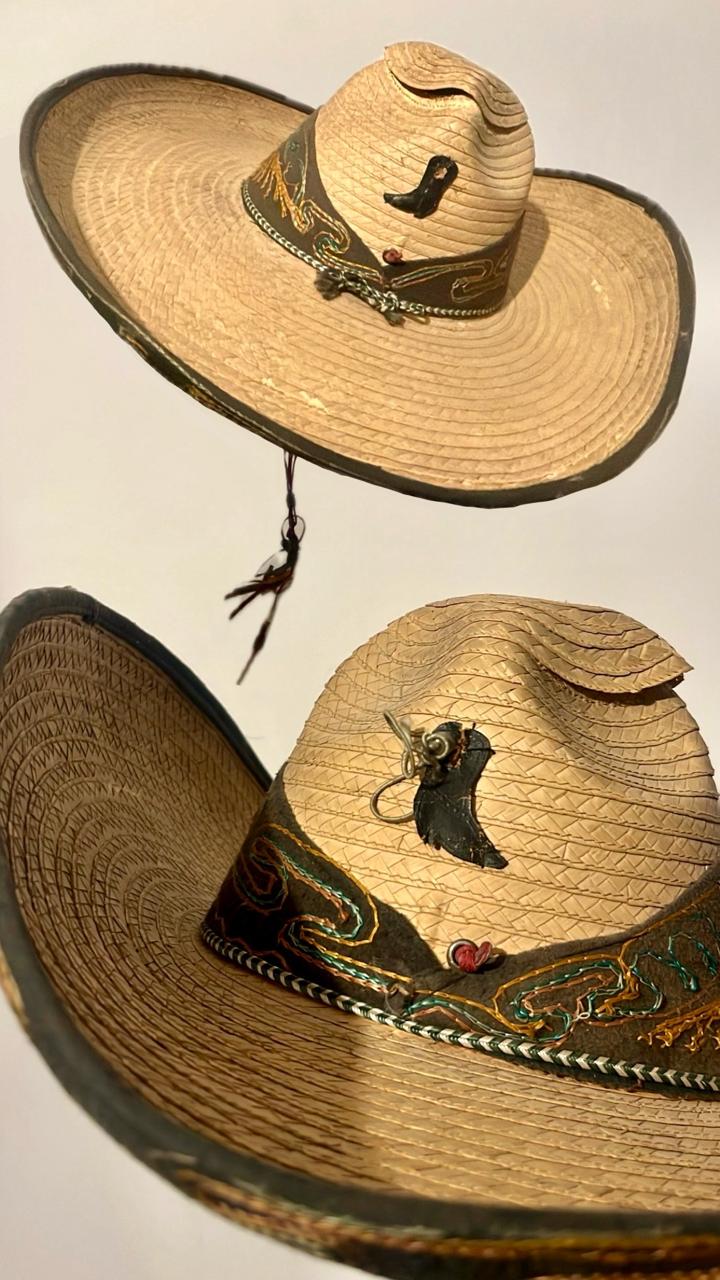
In our home, there is a large Mexican sombrero hanging on the wall that has been part of my life for as long as I can remember. It has wide brims and bright colors, and every guest who visits our house notices it. When I was a little girl, I often asked my family to take it down so I could try it on. Wearing that hat, I imagined distant countries and adventures. Thanks to this sombrero, at the age of six I learned about Mexico and its culture.
But this hat is not just another souvenir. It is a family treasure left by my great-grandfather.
My name is Aisha Asykbay. I am 17 years old and I live in Almaty, Kazakhstan. My country was part of the Soviet Union from 1917 until 1991. In my family, my parents and grandparents often told us, children, about that time. My grandparents and my parents were born in the USSR, and many of their memories sounded happy. They spoke about school days, friends, holidays, pioneer camps, and concerts. However, when I grew older, I began hearing other stories and realized that Soviet history also had a darker side.
I learned why the native language of my family is Russian, even though we are Kazakh. During the Soviet period, policies of Russification affected education and culture, and many Kazakh schools were closed. I also discovered why more than 130 ethnic groups live in Kazakhstan today: during Stalin’s rule, entire peoples were forcibly deported here. My great-grandparents witnessed famine and repression, which is why they rarely spoke about the early Soviet past.
My great-grandfather was a scholar and a passionate football fan. Since childhood, he had a disability and walked with a limp, so he could not play football himself. Yet his love for the game was stronger than any obstacle. He collected stamps, badges, postcards, books, and newspapers about football and encouraged young people to play the sport. He even wrote letters to authorities asking them to build football fields, and the city authorities actually built them. As a linguist, he also compiled one of the first Russian-Kazakh dictionaries of football terms.
In 1970, he experienced something extraordinary when he traveled to Mexico to attend the Football World Cup as part of a Soviet sports delegation. At that time, Soviet citizens could not freely travel abroad, and the world was largely closed to them. Even during such trips, their passports were taken away until they returned to the USSR, to ensure they would come back. I can only imagine how happy my great-grandfather was to experience such a rare moment, filled with a spirit of freedom and his love for football.
From that trip, he brought back the sombrero. It hung in his study for more than forty years. After he passed away in 2018 at the age of 92, the sombrero remained in our family home. Today, it still hangs on our wall. When I look at it, I think about my great-grandfather a lot. His strength, his passion, and his love for football still amaze me. The story behind the sombrero has inspired me enormously. After learning about his struggles and his trip to Mexico, I asked my mother to take me to a match of FC Kairat, the team he supported. We went once, then again, and soon we started attending matches regularly. Sitting in the stadium in Almaty, surrounded by thousands of fans, I often feel as if he is still there with us.
Now I am also a supporter of Kairat. Next to the sombrero on our wall, I have hung my own items – a scarf from my first FC Kairat match and a hat from the Northern Ireland vs. Scotland match in 2024. The Mexican hat became the start of my own football collection, and I hope it will continue to grow.
The sombrero is more than just a hat from Mexico. For me, it is a symbol of perseverance, curiosity about the world, and the quiet resistance of a person who kept his passion alive even during a time when freedom was limited. I am sure my great-grandfather looks down on me from above, full of joy.
Photos