
A Ringing Family Legacy
About the Creator
I have been interested in my family history for a long time and I am very curious to learn about my ancestors. My roots are very mixed – different nationalities and cultures are intertwined in my family. I am proud of my heritage because it reflects
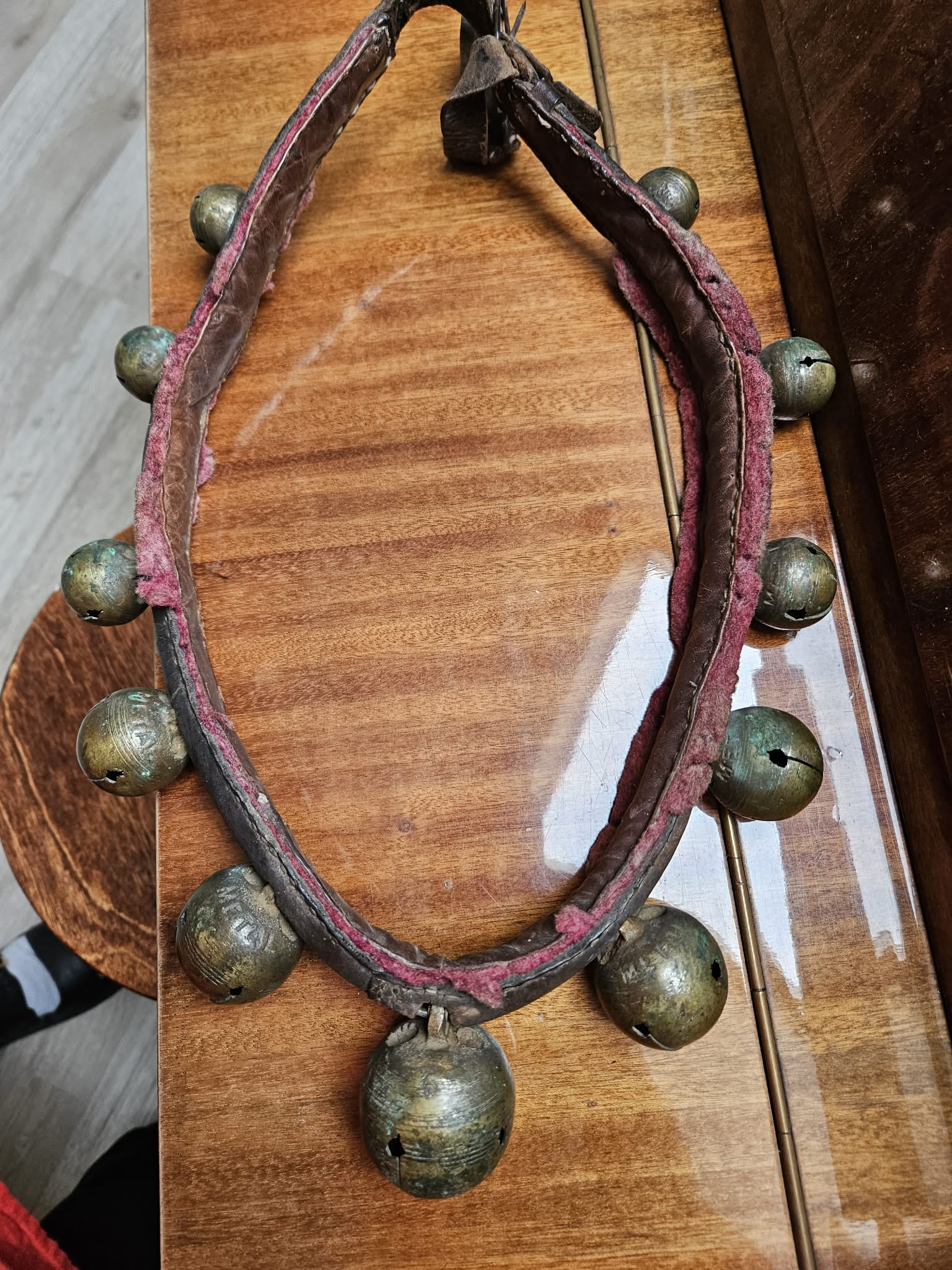
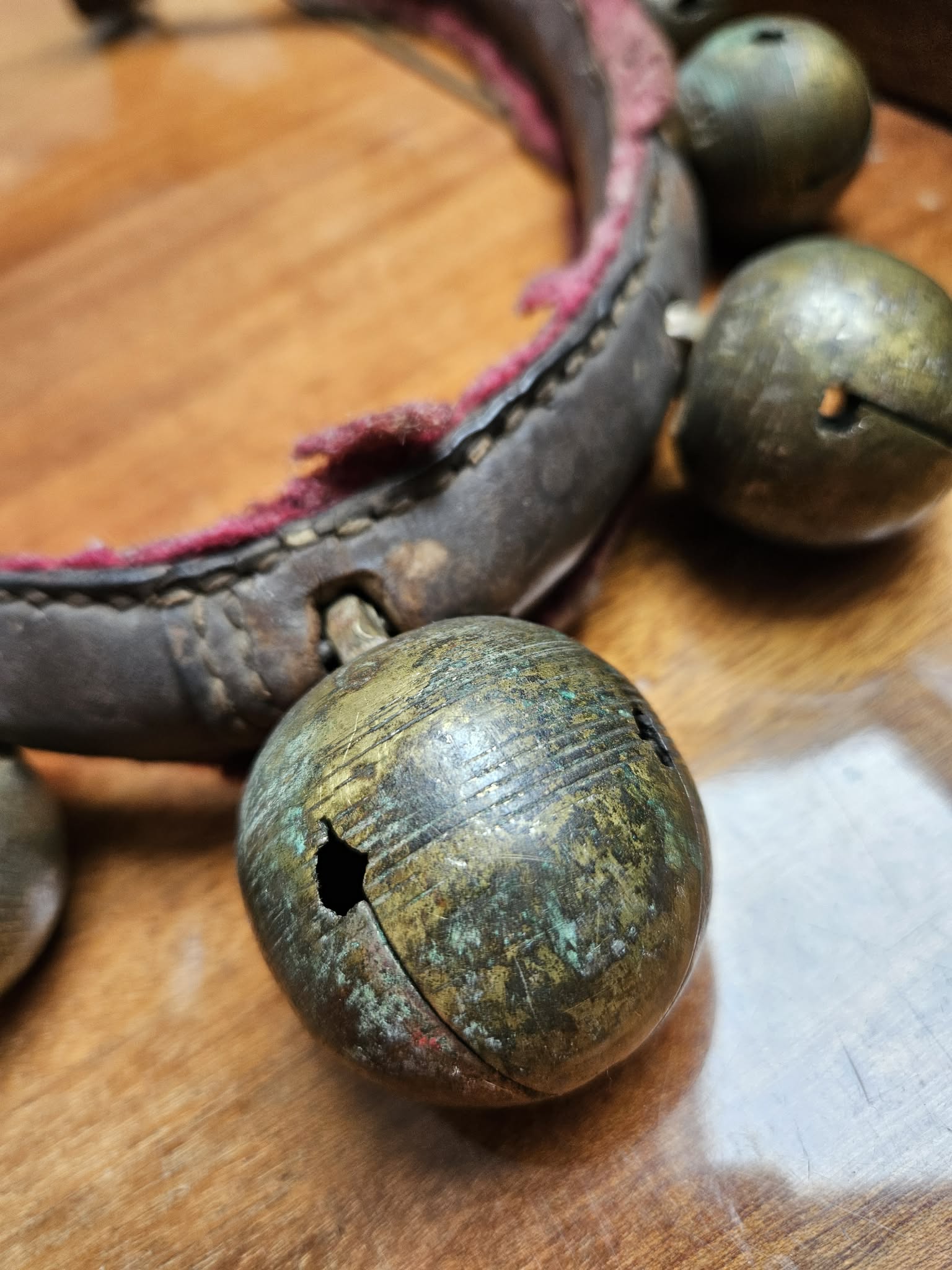
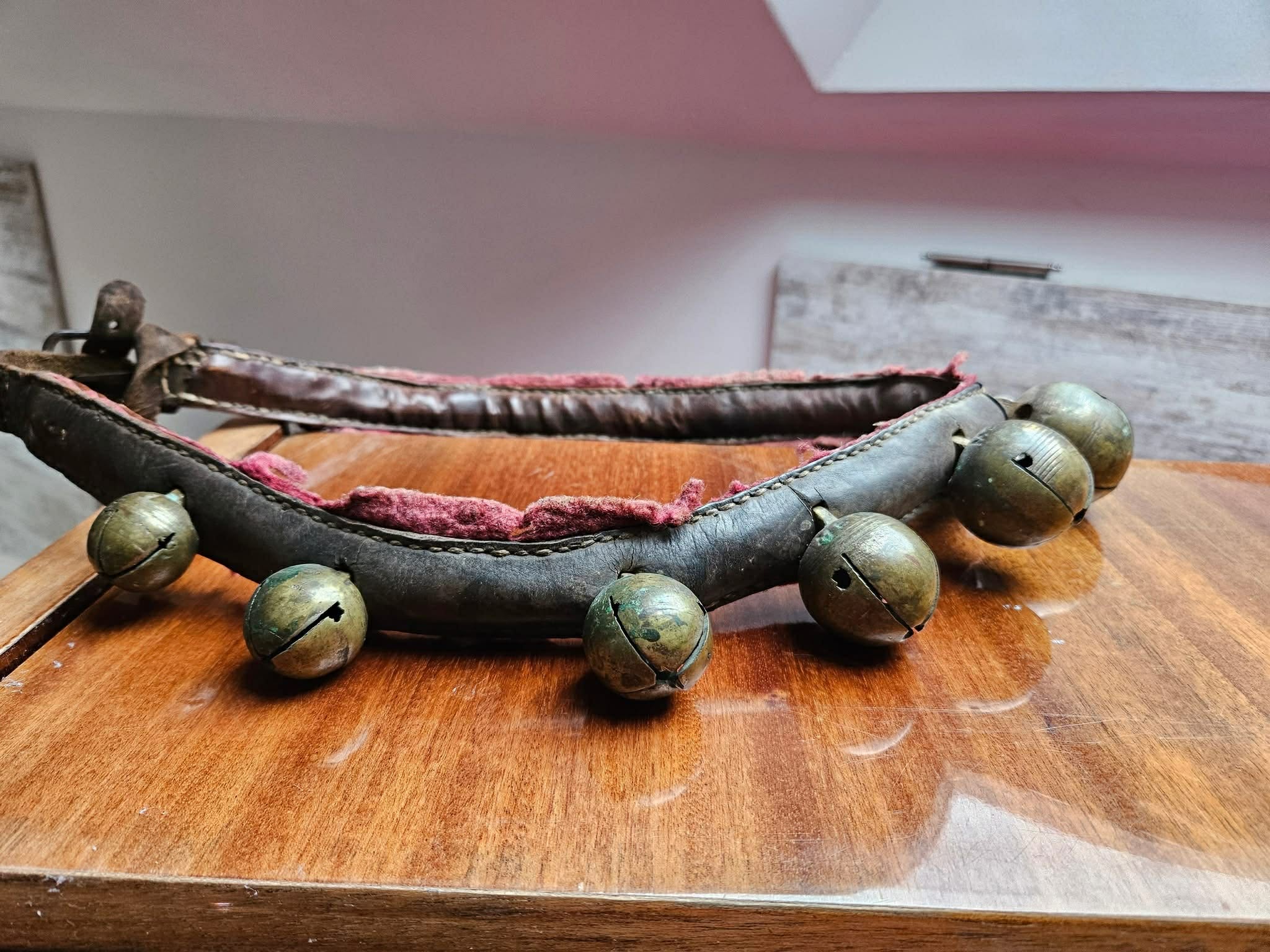
During the times of Smetona, - thats how interwar period is called in Lithuania, - when the town marketplace still carried the scent of fresh bread, horses, and autumn apples, my great-great-grandfather purchased what seemed to be a simple object — a set of sleigh bells. Small metal bells meant to be fastened to horse harnesses. On that day, he likely did not realize he was buying more than a decorative sound. He was bringing home a voice that would outlive wars, hardships, and generations of our family.
At first, the bells were part of everyday life. They rang while traveling to the fields, to church, or to neighboring villages. Their rhythmic chime blended with the creaking of wooden wheels, the steady breathing of the horse, and the whispering wind. It was the sound of a living countryside — humble, yet full of meaning. But their true destiny unfolded with the next generation.
My great-grandfather, born in 1919, grew up in a time when the world had barely recovered from one war and another was already gathering on the horizon. Despite uncertainty, he chose music. In his hands, the accordion and concertina came alive. His fingers danced across the keys, and melodies flowed into village homes, filling them with warmth. For him, music was more than entertainment — it was a reminder that life continues.
He gave the bells a new purpose. He fastened them to the horse’s harness and built a separate wagon dedicated not to labor, but to celebration. That wagon became his traveling stage. Whenever he rode to weddings, christenings, or village gatherings, the first sound people heard was not the accordion — it was the bright ringing of the bells. In the village, that sound meant something special. As soon as the clear chime echoed in the distance, people would step outside. Children ran to the gates. Women wiped their hands on their aprons. Men lifted their heads from their work. Everyone knew — if the bells were ringing, there would be a celebration. Somewhere candles would glow, laughter would rise, couples would dance, and music would drift above the rooftops. The bells became more than sound. They became a promise
— a promise of joy, togetherness, and shared moments.
In autumn, when the fields grew quiet and the trees let go of their leaves, the bells were carefully cleaned. My great-grandfather’s hands, so familiar with the accordion keys, gently wiped away dirt and dust. Then they were stored away until Shrove Tuesday, when winter began to loosen its grip and people once again longed for noise, laughter, and the loud celebration of life. War and postwar years changed many things. Some songs fell silent. Some roads were no longer traveled. Yet the bells remained. Even in the hardest times, when were fewer celebrations, they carried within them the echo of brighter days — days when the village gathered without fear.
Before his passing, my great-grandfather entrusted the bells to my grandfather — his son. It was a quiet but powerful inheritance. My grandfather also played the accordion. Music lived in him just as it had in his father. When he received the bells, he accepted them with deep respect. They were not merely objects; they were his father’s voice preserved in metal. He cared for them faithfully — protecting them from moisture, rust, and the slow marks of time. Sometimes he would hang them again and let them ring, and the same sound that had once echoed during Smetona’s era would fill the yard. In those moments, it felt as though everyone who had once listened to them returned for a brief while.
Today, the bells belong to my aunt — my mother’s sister — who is a music teacher. And somehow, that feels meant to be. It is as if history itself decided they must remain where music lives. She does not keep them hidden as relics. She brings them into her classroom. She lets children touch them, hear them, and learn their story. When the bells ring in that room, it is no longer just a metallic sound. It becomes a living story — of a great-great-grandfather in a marketplace, of a young musician traveling to weddings, of a wagon rolling toward celebration, of a village stepping outside because it knew joy was arriving. In the eyes of the children, the ringing becomes something magical. For me, it is like a heartbeat — connecting past and present. Sometimes I wonder: how many roads have they traveled? How many weddings have they witnessed? How much laughter, how many tears, how many promises have they heard? How many times did their sound break the silence to declare, “Life goes on”?
The bells are more than metal. They are our family’s memories. They remind us that even in the hardest times, people need music. They need celebration. They need one another. And if the bells keep ringing, our history is alive.