
The Sugar Box
About the Creator
Jan, Italy
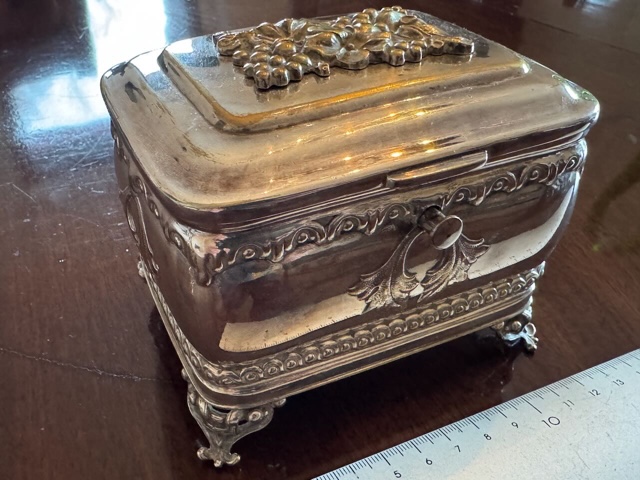
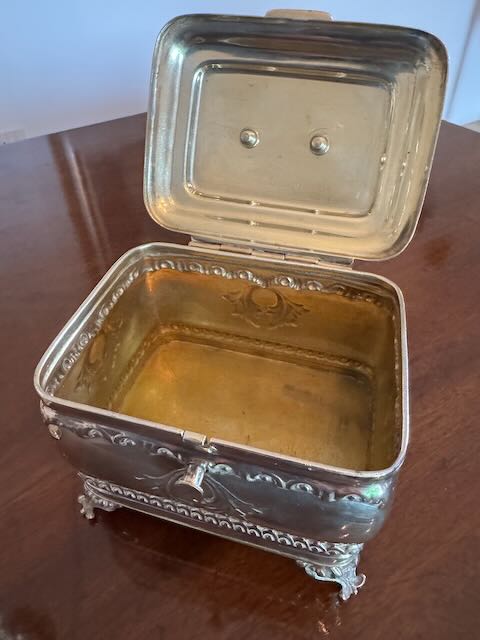
London memories of wanting to fidget during interminable lunches when Polish friends of father's descended upon us. Polish lunch inevitably included conversations in a language I did not understand, then afternoon tea with huge exotic cakes, open sandwiches and cigarettes, all of which went on for boring hours. Why could my father not have been simple, British? To mother tea meant bringing out her best Scottish family silver tea service, and geometrically arranging crisp white sugar cubes in the, to me, unusual rectangular Polish sugar box which grandmother had brought with her through Russia.
Babcia was an amply bosomed, warm-smiled, silver-haired lady. I was too young for conversations, but not for cuddles. My one memory is of her rolling out strudel paste on a table in the upstairs kitchen she shared with other residents of a decrepit London stuccoed house. The wafer-thin pastry seemingly falling endlessly to the floor like a linen tablecloth, only to be swept up by babcia’s strong arm and flicked onto the buttered surface, to be pinned out again. She is buried next to my grandfather in London. I was too young to ask her the questions;
I've discovered the box was made by Jozef Fraget in Warsaw c. 1880. What has the sugar box witnessed? If it could talk, what stories could the sugar box tell? To have been carried all these kms, it must have been loved, precious. Indeed, its cousin is on display in the Wilanow Palace Museum. Was it a wedding present, maybe part of a larger family heirloom set? Her family or his?
Maybe a gift from grandfather? I picture grandmother hosting long teas with her young girlfriends and family in Oleszyce, so what conversations was the box privy to? My grandparents were married in Nowy Targ in 1916, the sugar box must have listened to many happy events. The birth of three sons, celebrations in 1920 when the Polish-Soviet War was won and brothers came home. The celebration of grandfather's headmastership at Oleszyce School and Maria taking on a teaching post there too. By the mid 30s, was it gossip, school matters, or concerns for sons and husbands enrolling in the military that the box listened to? The Russians came in '39 and then the Nazis, then again the Russians. Maria's home was the officers' HQ for both. Did those soldiers take sugar cubes from the box, or was it already hidden with the grab bags for the inevitable exile, the soldiers not worthy of its beauty and the box safe from thieving hands?
Half an hour to pack and leave the house, said the Russian soldier. How did grandmother have the audacity to take such a bulky item when she had no idea of what tomorrow was to bring? She was in the house with only her youngest son, her other two and husband away in the forces. Maria must have kept a very steady head. What did she fill the box with? Not sugar cubes! Was it money and jewellery or mementoes? No, I think it must have been documents and papers. After all, I learnt that she had brought out all her teaching certificates and her 3 sons' school reports, which I now have, "bardzo dobry" featuring frequently in the reports! The box has a dented foot—where was it dropped, maybe on a truck, at the collective farm, in a goods train that she was crammed into, holding tightly onto Kuzik's tiny hand? Maybe it fell on a rocky mountain pass, or was knocked off a chest in a bedroom in Ghazir, the first place she and my grandfather Josef could call home after four terrifying years of wanderings. Was it listening in Ghazir when in '43 a soldier walked for a week just with the news that their eldest son was alive? Surely it was witness to that cup of tea. Maybe she dropped it in old age in London and shed a tear. The box must have known terror and panic and huge uncertainty. What was it knocking against as Maria and Kuzik ran through Russia into Persia – a skirt, a canvas bag or fear? What variety of items did it contain on those thousands of dusty, tiring kms, how many hiding places has it known?
The sugar box must have been happy when in 1947, after eight years, the five family members were finally reunited in North Wales, UK. Each family member with a unique story to relate, each had known adversity and close shaves with death. How did it feel as the treasured item on the second-hand Singer sewing machine in that tired, shabby front room in post-war London that served as both living room and bedroom? Was it once again filled with sugar cubes as odd teacups were delicately balanced on knees whilst listening to stories of 2nd Republic Poland told to new friends feasting on Babcia's strudel?
I'm now older than my grandmother was when she died, and living in Italy. On my bedside table sits the sugar box. The silver plate is worn in many places from devoted cleaning by many over the years. It contains my blood pressure pills, and opening it gives me a daily reminder of my grandmother, her courage and determination, and importantly and proudly, my Polish roots.