
The sewing machine
About the Creator
My name is Iasmina Vidrighin and I am from Romania. Ever since I was little I was fascinated by my great-grandmothers sewing machine. The foot pedal was a great swing for me to play with when visiting her.
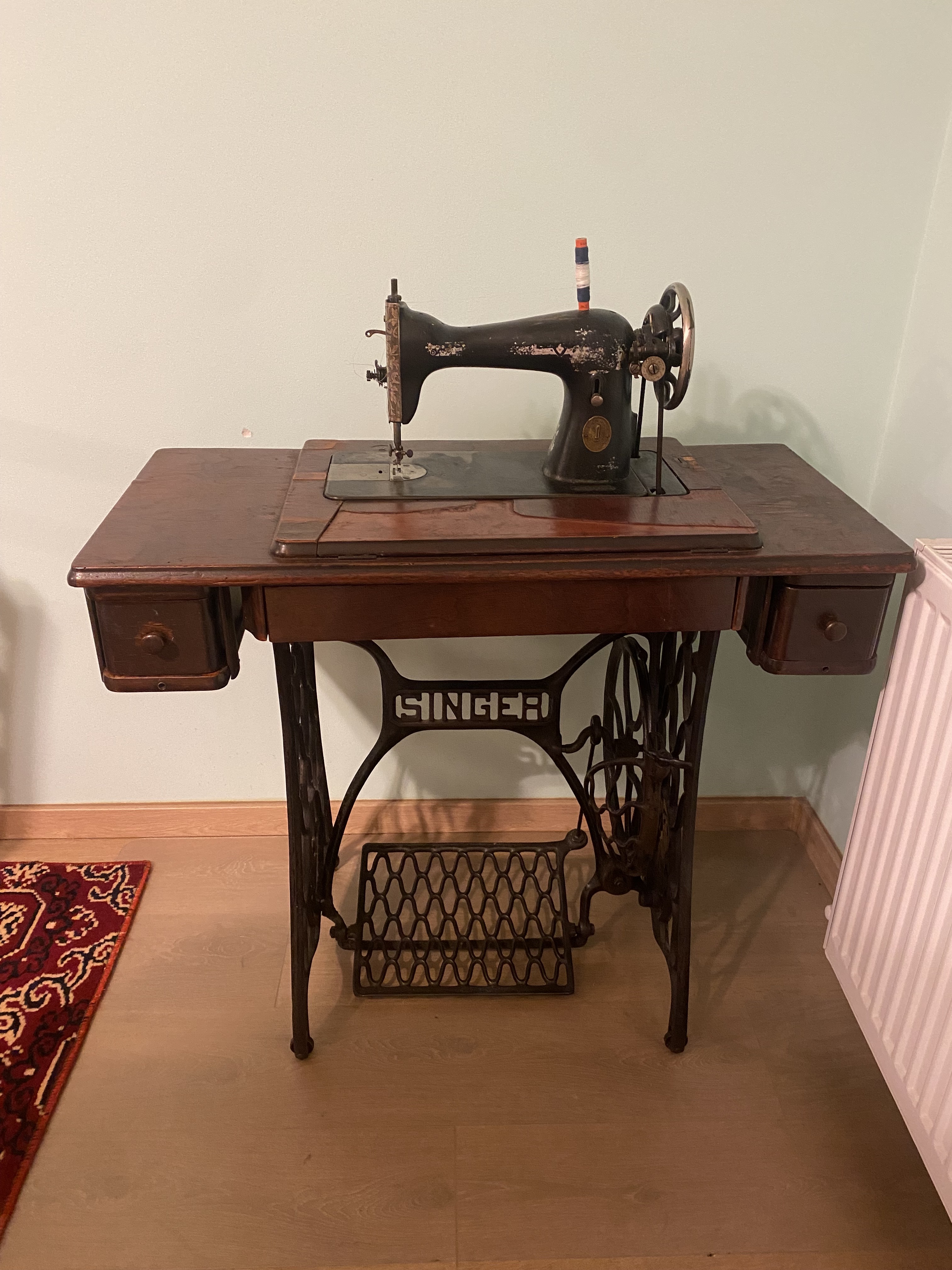
The Singer sewing machine was invented around 1850, by Isaac Singer, an American whose parents were German immigrants.
My great-grandmother used to own one of those. It was a mechanical, foot powered sewing machine. My great-grandmother was from Dobrogea (in Romania) and sadly passed away four years ago. She received the sewing machine as a wedding gift from her husband in 1953. He bought it from an aunt that lived in Cerchezu village from the county Constanța, who used it more than 20 years before.
My great-grandmother, who was passionate of sewing, had used this sewing machine for decades, working for lots of people and sewing different kinds of stuff such as bridal dresses, including the one that my grandmother wore at her wedding. When my great-grandfather died, she had to move to Cluj and she took it with her because she cared about it and she continued to use it.
The sewing machine was made in Clydebank, Scotland at the Singer Kilbowie factory in 1926 and it is still working. This is the 100th year when it can be used.
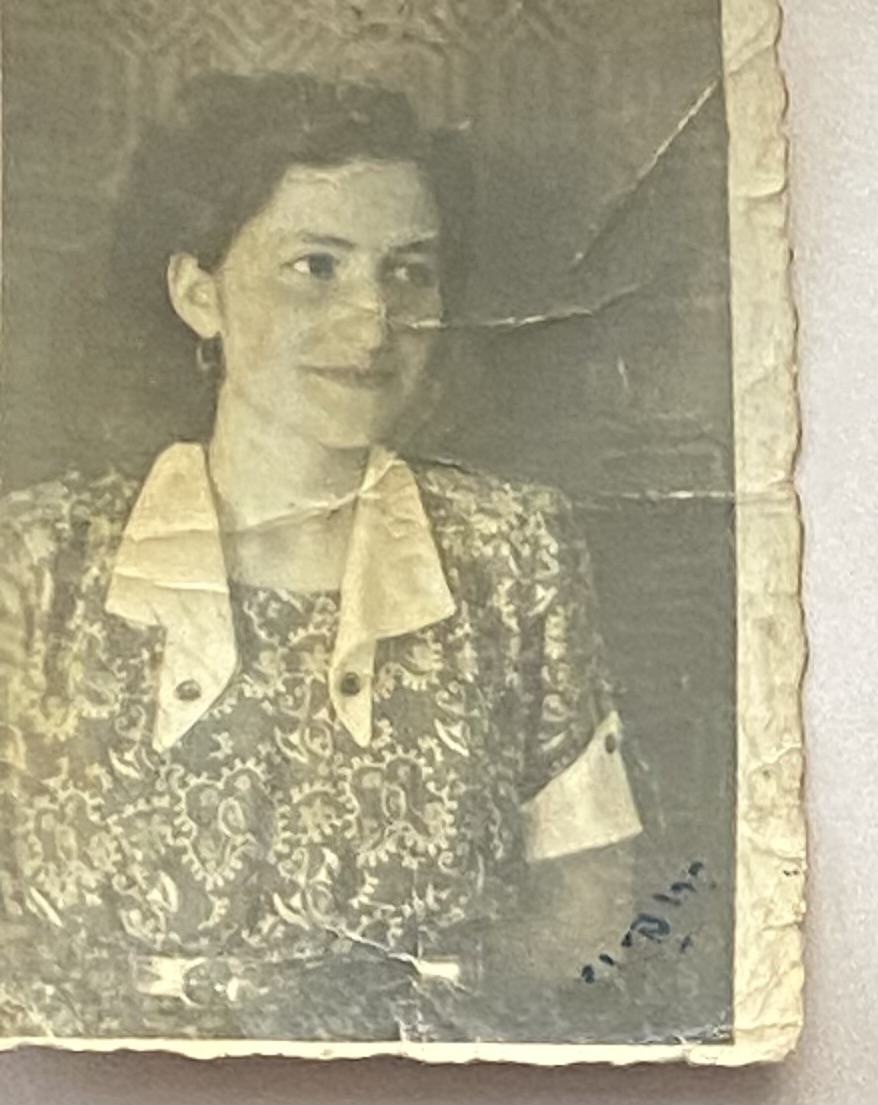
My great-grandmother, Dumitra Matei, was born in 1934, in Vâlcele a village with around 5000 villagers in Dobrogea. She had three brothers, called Gheorghe, Marian, Ion and one sister, called Elena. She went to school in a Vâlcele and when she was 18 she became a teacher.
Dumitra and her siblings had a very hard childhood because she grew up during World War II, when resources were very scarce. Their father, Ilie, went to fight in the war and they remained only with their mother, Maria. In the countryside they had to help out with various chores: to milk the cows, to shear the sheep and take them to pasture, to feed the chickens and take their eggs from the nest, to take care of the pigs and clean their barn, to feed the turkeys, to take the gooses on the meadow, to move the baby ducks in the water to swim after they hatched, to feed the silkworms one at a time with mulberry leaves in a special room made for them, to go plough the field, to grow cotton, to weave cloth and do more other stuff.
My great-grandmother got married at 19 and that is when she received the first and only sewing machine that she ever had. In a fairly short time after that, she became the best seamstress in the entire village, and she had many young apprentices that she thought how to work with the sewing machine. In 1968, when my grandmother was 14, the entire family moved to Mangalia.
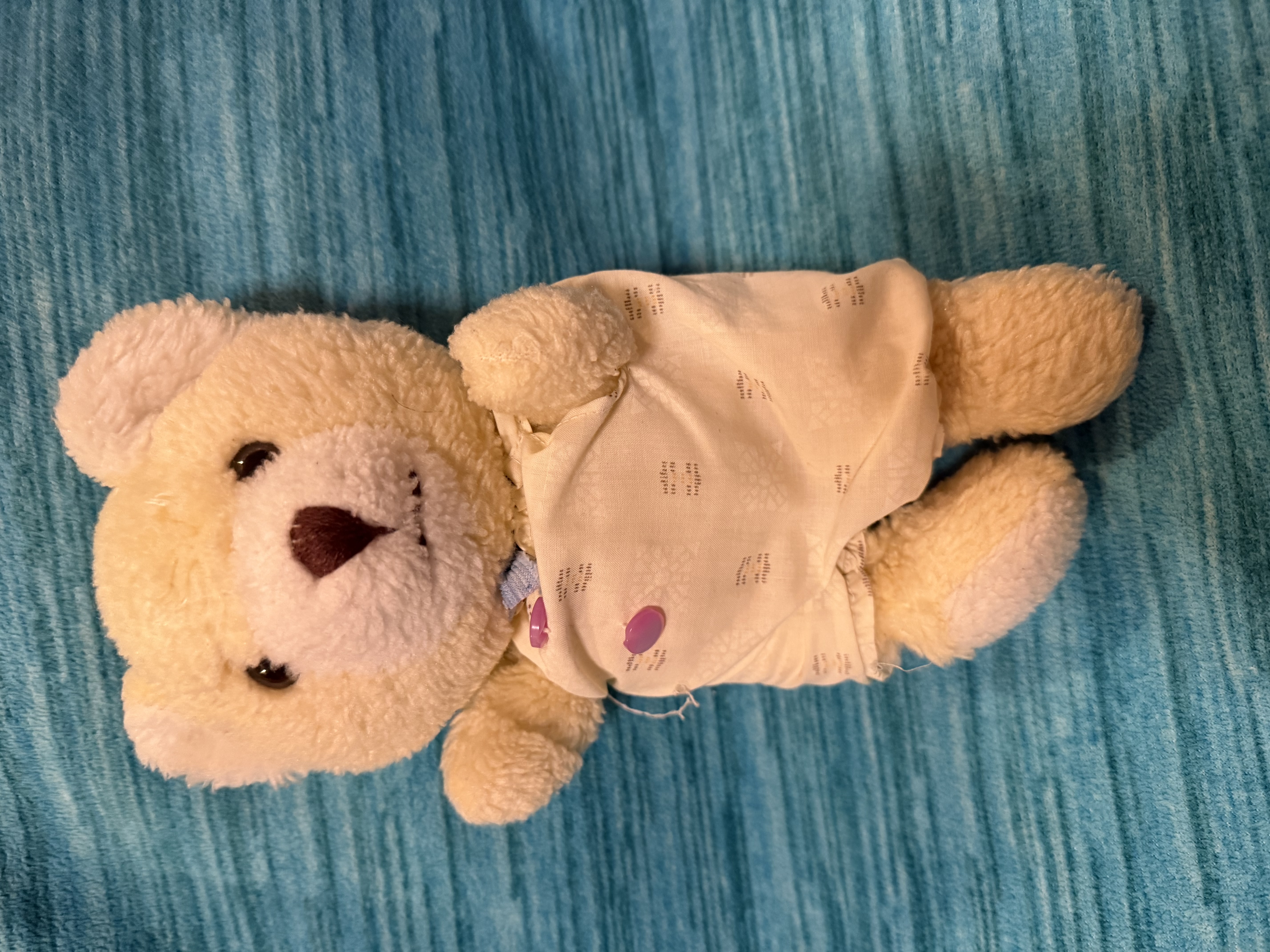
Dumitra was sewing mostly from passion, but to win her existence too. The money she won were counted by my great-grandfather. When my grandmother and her brother were born, with one year difference between them, she took good care of them. In the village, but in Mangalia too, they had chickens, bees, grapes, flowers, lots of vegetables, and even a pig. She liked taking care of plants, animals and children, but she liked sewing too and once she made my uncle’s teddy bear a cloth. Dumitra started sewing less when my father and my uncle were born, nine years apart, as she took care of both of them since they were one up until five years old.
She had a good life after all and she got to live to meet her great-grandchildren, my brother and me.