
From Saarepeedi to Kolyma and Back
About the Creator
I am 16 years old now. I originally wrote this study two years ago, when I was 14 years old. I am currently a high school student.
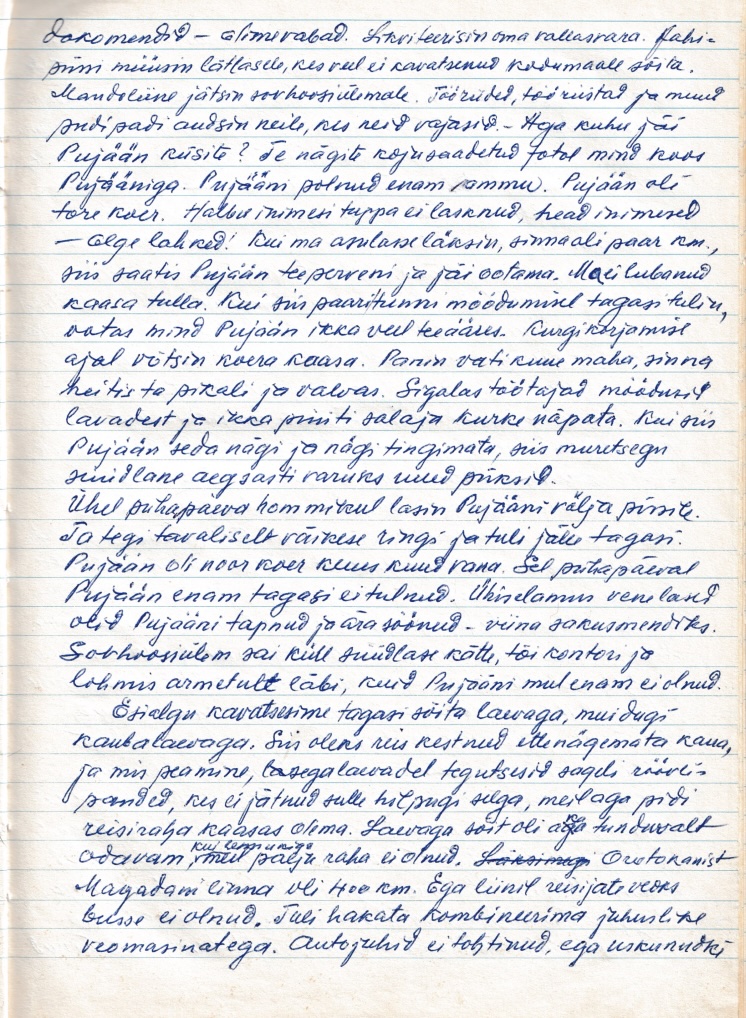
My family treasure is my great-grandfather Eduard (Eedi) Kallak’s handwritten diary. He wrote these memories in the 1990s so that his children and grandchildren would know what his life had been like. Today the diary is preserved in our home archive. Although I never met him personally, this manuscript has allowed me to create a connection with him and to understand both his fate and the historical events that shaped it.
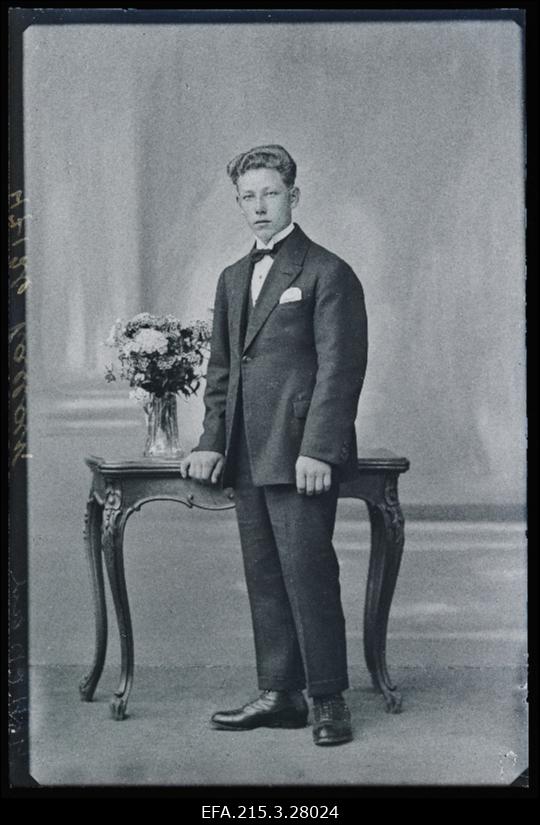
Eduard was born in 1906 in Saarepeedi, Viljandi County, on the Koolitaari (Taariaru) farm. His childhood coincided with the turbulent beginning of the 20th century. The aftermath of the 1905 Revolution was still felt in rural Estonia, and soon the First World War broke out. Eduard remembered how his father read aloud from the newspaper that mobilization had been declared. Farms were left without men, daily life became uncertain, and fear spread even to children. Through these memories, our family story becomes part of European history.
After the war, Estonia achieved independence in 1918. Eduard grew up during the first period of the Republic of Estonia. He studied in Saarepeedi and later in Viljandi, where he attended the Commercial Secondary School. His memories describe school life, strict discipline, music, friendships and the hope of a young generation building a new country. Later he began working for Estonian Railways. Railways were essential for the functioning of the young state, and his career symbolized stability and development in the interwar period.
In 1939–1940 the situation changed dramatically. The Soviet Union occupied Estonia, and political repression began. As a railway station master in Aegviidu, Eduard witnessed deportation trains passing through the station. He described how families were transported east in cattle wagons and how he tried to help them by giving water and food. These events connect his personal story directly to the mass deportations that affected thousands of Estonian families.
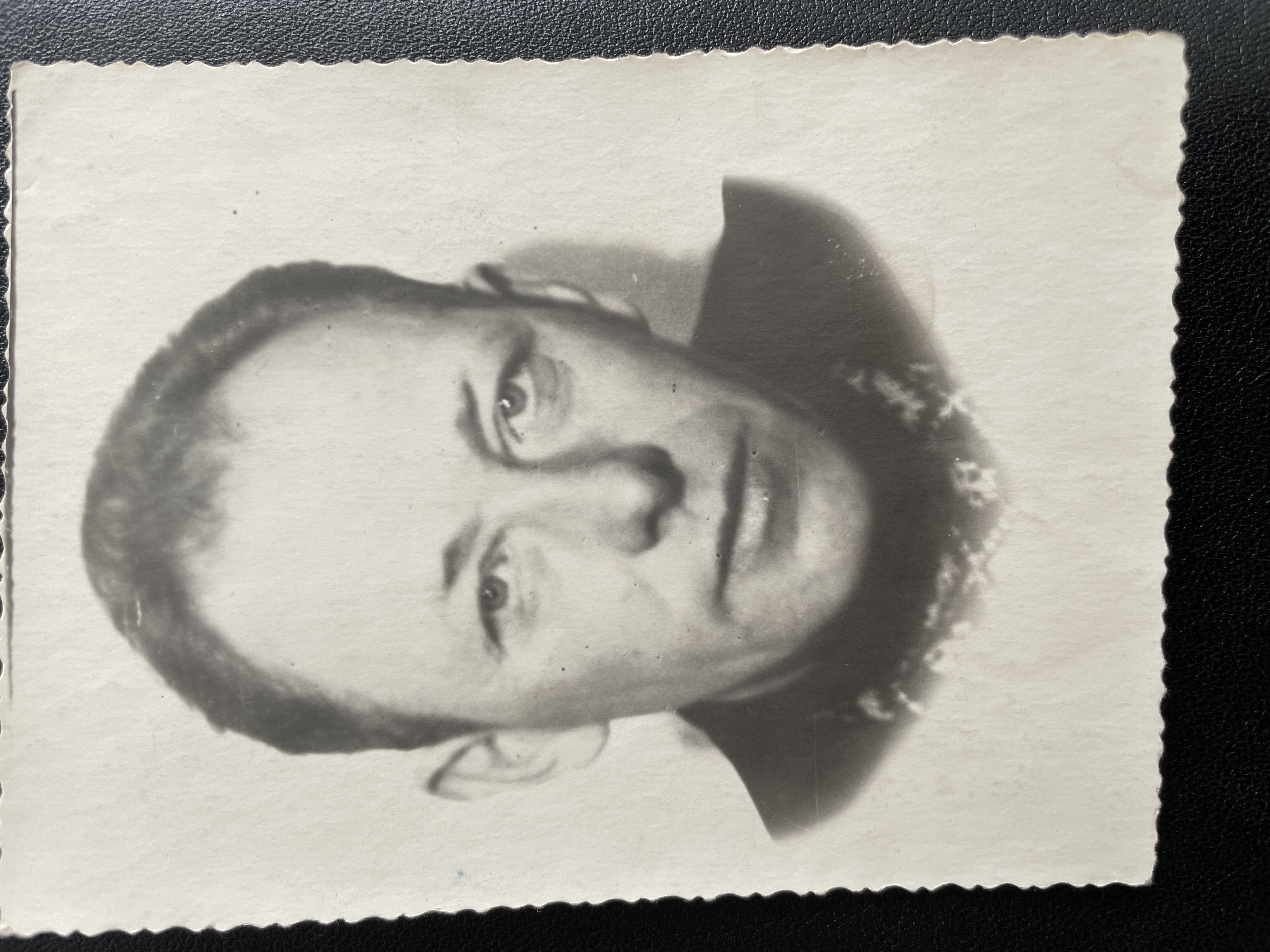
In 1944, during the second Soviet occupation, Eduard himself was arrested by the NKVD. He was accused under political charges and sentenced to ten years in a labour camp and five years in exile. The diary describes interrogations, imprisonment in Tallinn, and the long train journey to the Far East. He was sent to the Kolyma region, one of the harshest areas of the Gulag system.
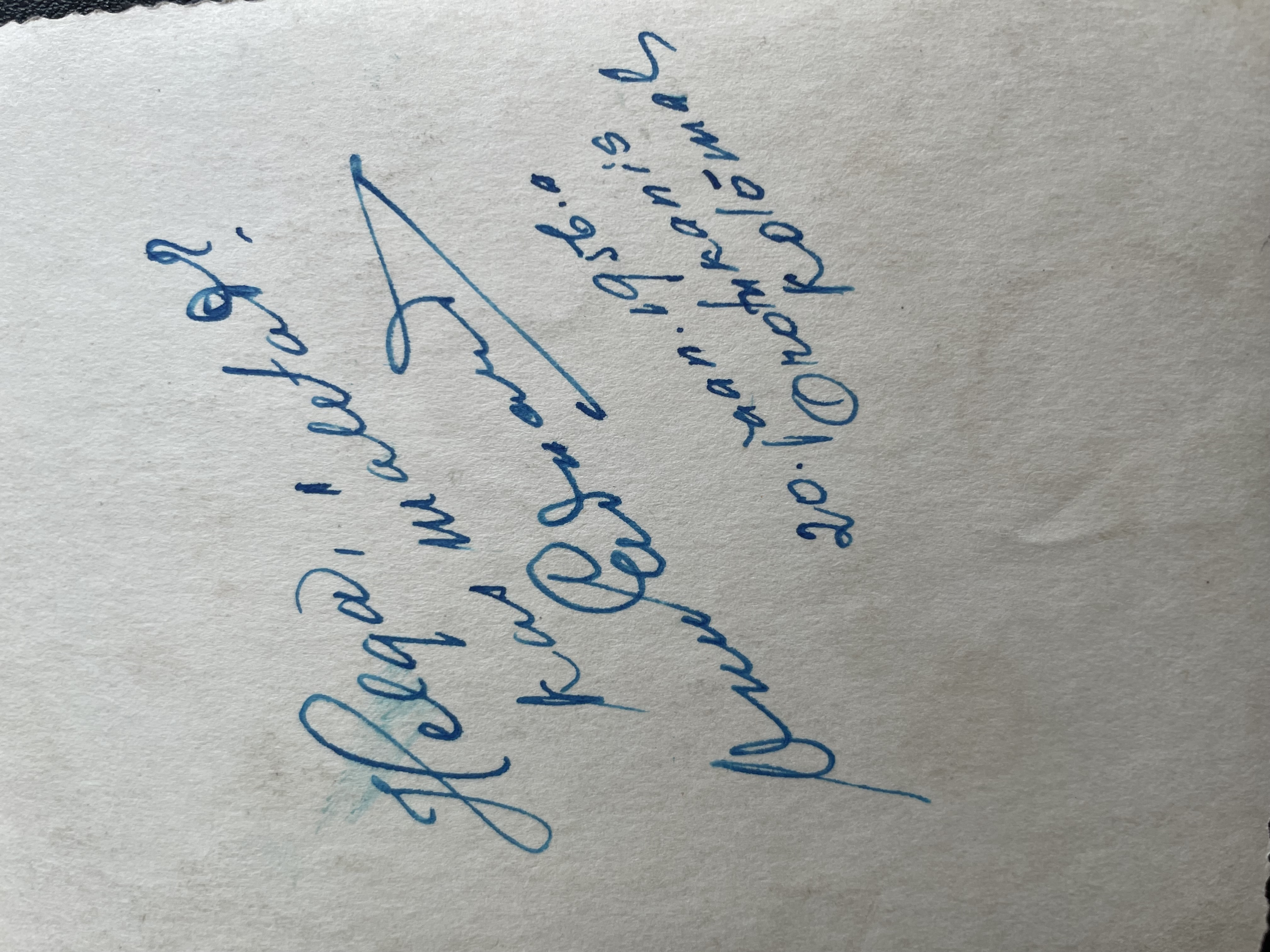
Kolyma in the 1930s–1950s became a symbol of Stalinist repression. Prisoners worked in extreme cold, hunger and exhaustion in mines and construction sites. Eduard was imprisoned in places such as Magadan, Dneprovski mine, Yagodnoye and Orotukan. He described building workshops, repairing tools and struggling with illnesses and injuries. Many prisoners died from disease, malnutrition or accidents. His notes are not dramatic, yet they reveal the everyday reality of forced labour camps and the wider system of totalitarian control.
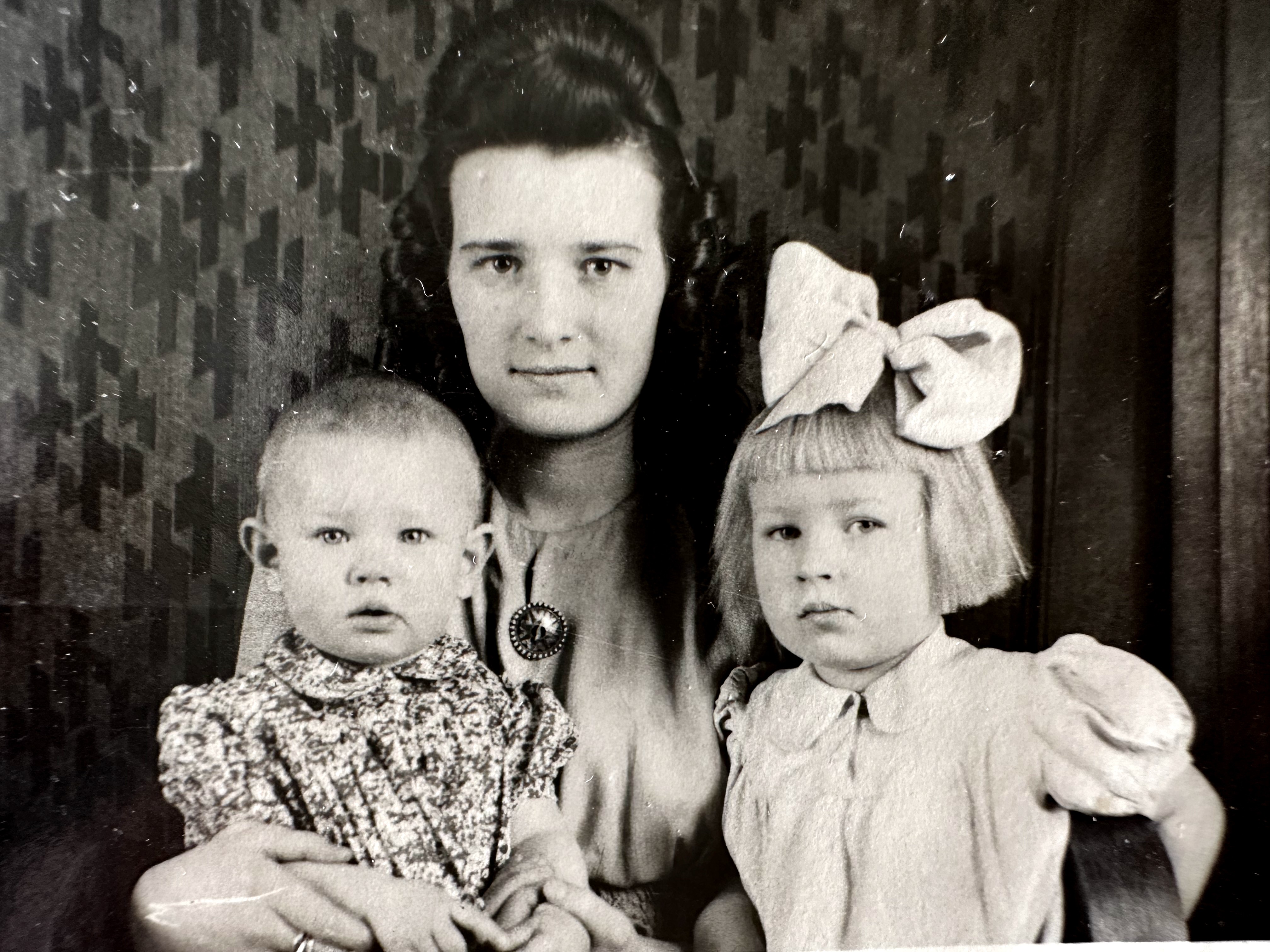
After Stalin’s death in 1953, conditions gradually improved. In 1957 Eduard was finally allowed to return to Estonia. One of the most emotional moments in the diary is his reunion with his wife Hella and daughters at Aegviidu railway station. He had left as a man in his thirties and returned in his fifties. Despite the lost years, he continued his life with dignity and optimism.
For our family, this diary is more than a historical source. It is a symbol of endurance and faith. It reminds us that freedom is fragile and that independence must be valued. Through Eduard’s story, I have learned how large political decisions influence ordinary lives. His life reflects key events of 20th-century history: the birth of the Estonian Republic, two Soviet occupations, the Gulag system and finally the restoration of independence in 1991, which he lived to see.
By researching and sharing his story, I hope to preserve the memory of those who suffered under totalitarian regimes. Personal stories like his form an essential part of national history. This diary is our family treasure because it carries both memory and responsibility – the responsibility not to forget.
This study is not a rewritten version of my great-grandfather’s diary, but a research work in which I have broadened the historical context to make that period more understandable for young readers; I originally wrote this study when I was 14 years old, two years ago.