

What secrets can something that has survived for centuries hide?
About the Creator
I’m a young man who loves history and sports. I’m a Spanish champion of kayaking k2. I’m a good friend of my friends.
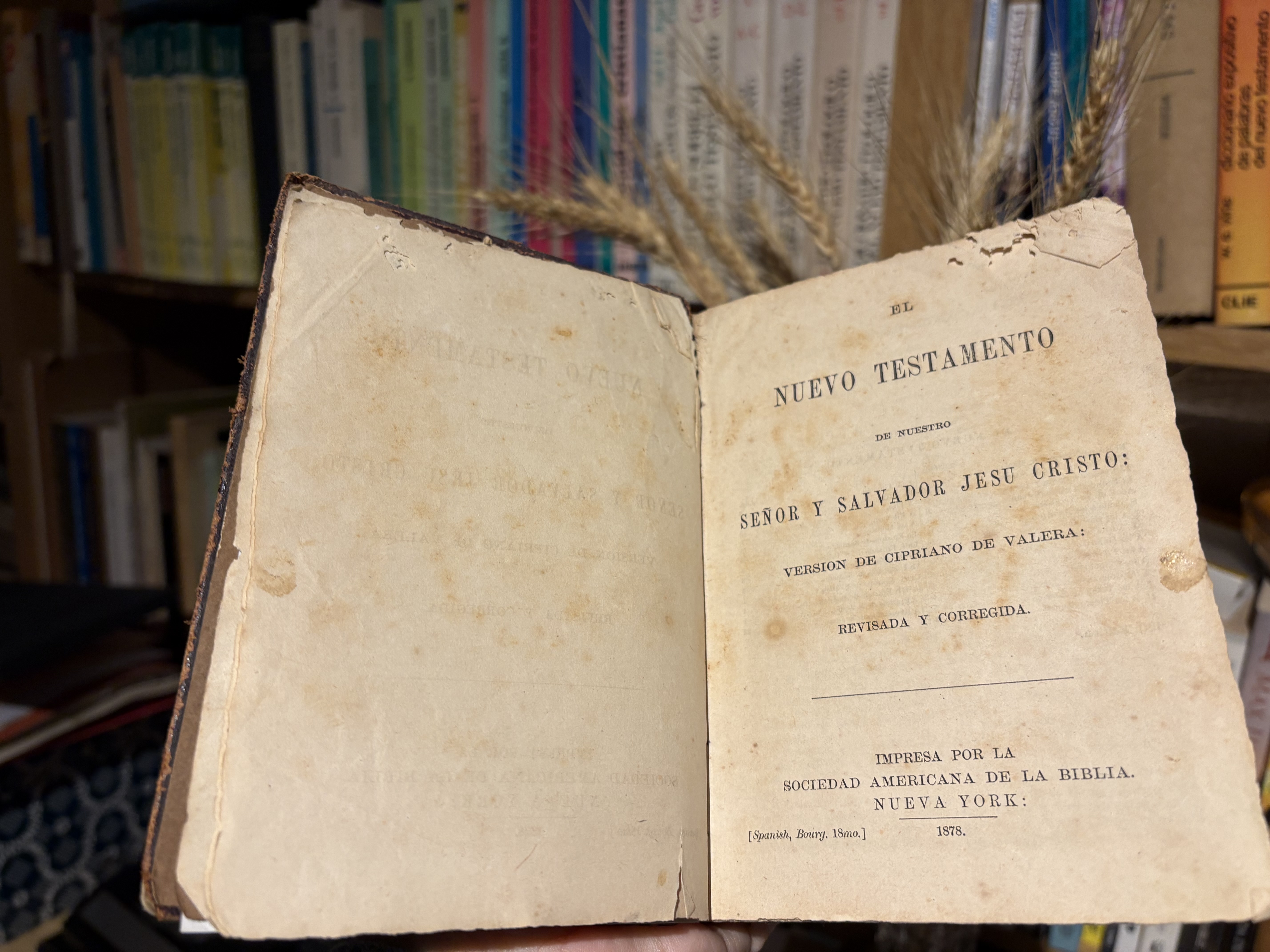
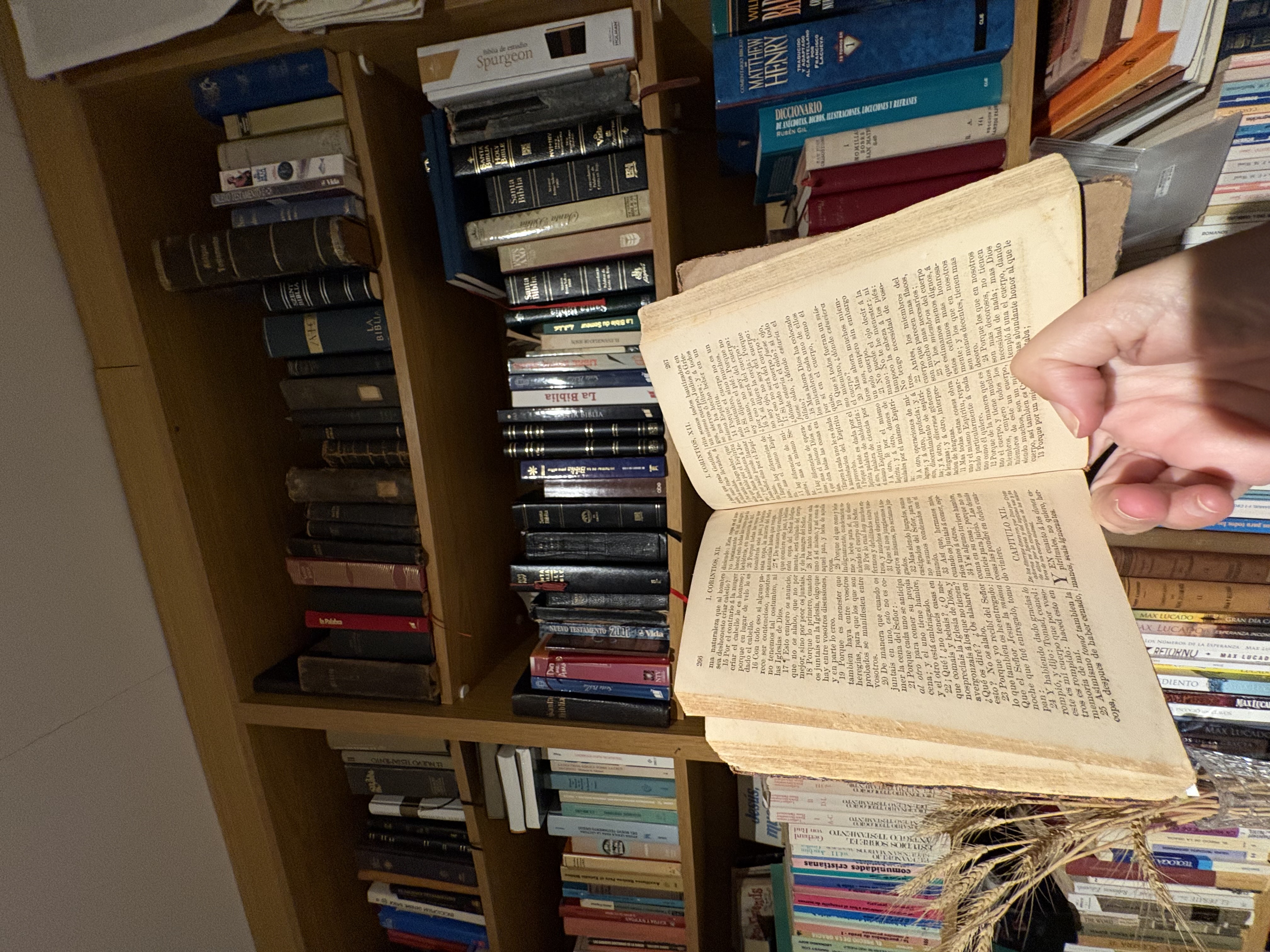
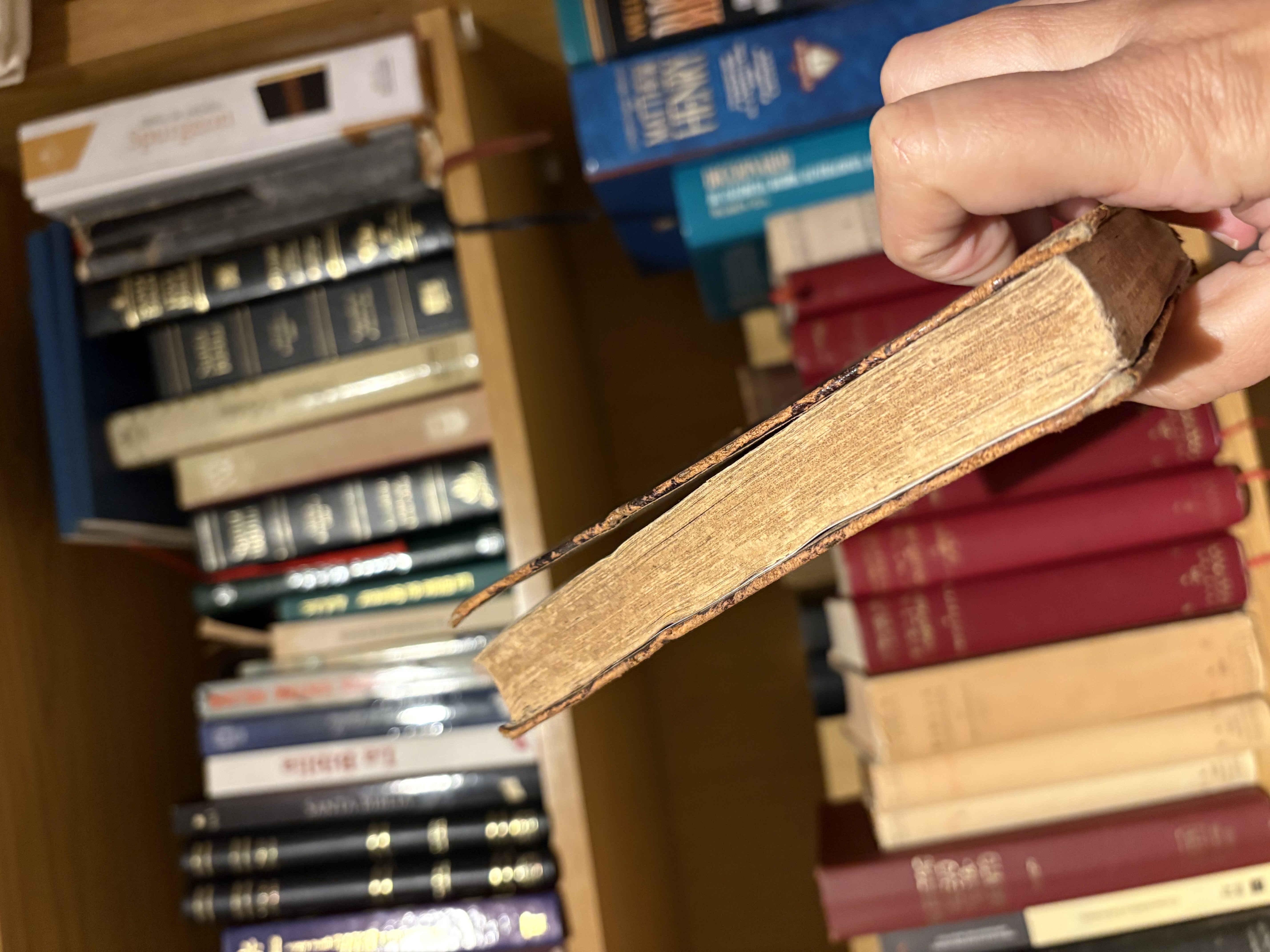
The family treasure I present is a 1878 Bible in Spanish that has been passed down through several generations of my family. It originally belonged to Vicent Pastor Fullana and Josefa Cabrera Terrades, my great-great-grandparents. It was later inherited by their son Joaquín Pastor, my great-grandfather, and today it is preserved in the home of my grandfather, Jorge Pastor.
This Bible is not valuable because of its material characteristics, but because of the history it represents. It was used by Vicent and Pepa during clandestine evangelical meetings at the beginning of the twentieth century, at a time when religious freedom was not guaranteed in Spain.
Josefa Cabrera Terrades was born in 1887. She was an exceptional woman for her time: educated and deeply interested in politics, current affairs, and reading. When newspapers or radio news reached the city, she shared this information with her neighbors. She also helped many people write letters and official documents, as she was one of the few women in her environment who could read and write fluently.
In 1913, Pepa and her husband Vicent converted to Protestant evangelical Christianity. Pepa thus became the first native woman of Dénia to take this step. This decision, made out of conviction, had very harsh consequences. Leaving the official (Catholic) Church brought social and family pressure. Both were disinherited by their families and, in 1914, after Pepa organized the first clandestine evangelical meeting in their home, they were evicted by the police. Vicent lost his job at a factory, and Pepa lost hers at a raisin warehouse.
This Bible was central to those meetings. It was read and studied in private homes, becoming a source of strength and community at a time of exclusion and fear.
Throughout much of the twentieth century, Protestant communities in Spain lived under intolerance and repression, especially before the Second Republic and later during the Civil War and the dictatorship of General Franco. In Dénia, evangelical gatherings were held secretly in private homes, many of them in the house of Pepa and Vicent. Attending these meetings often meant risking one’s job, family, social position, or even personal safety.
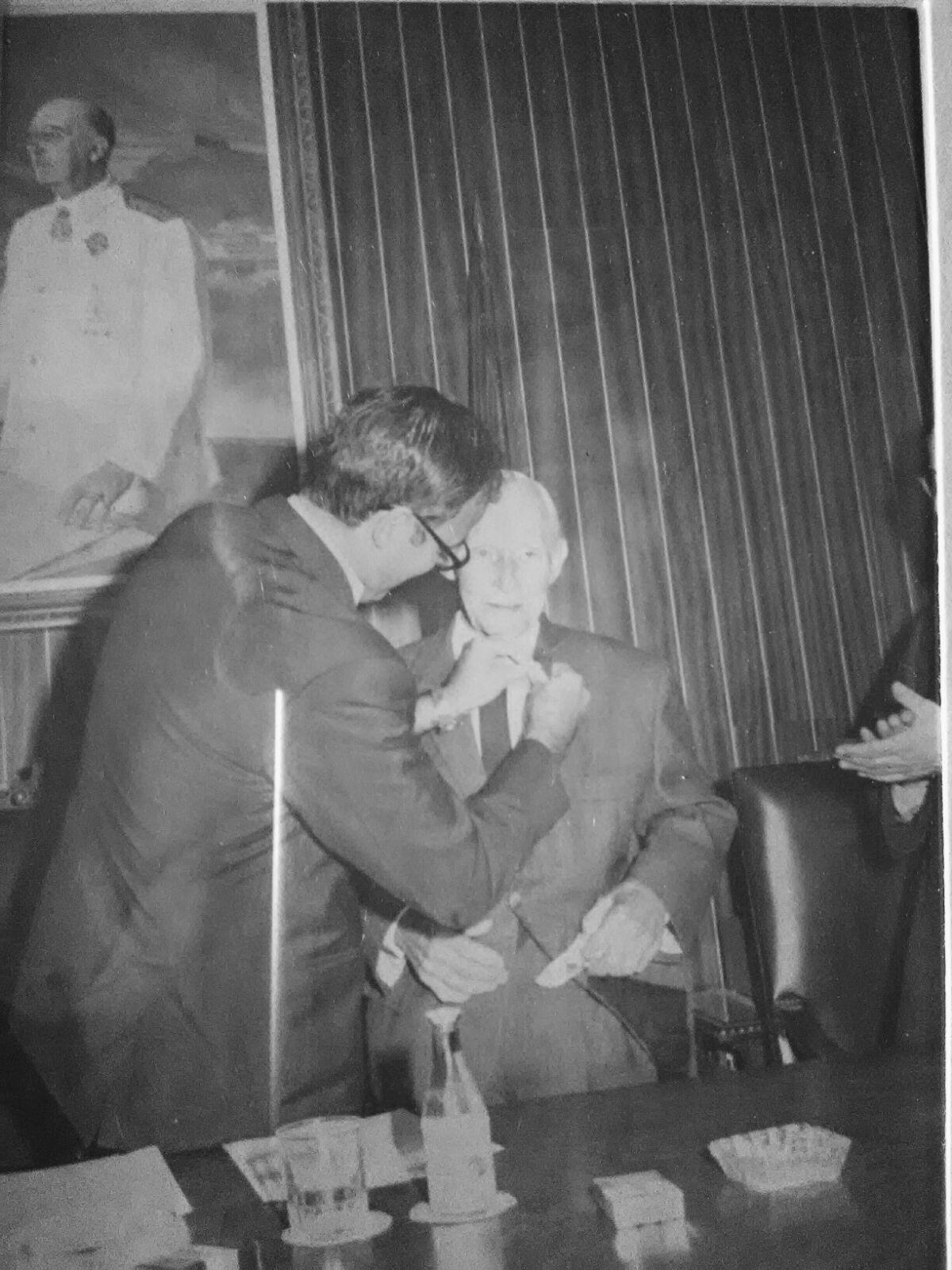
Despite these circumstances, the community slowly grew. Historical records of the local church indicate that the first fifty people were instructed and supported by Pepa, highlighting her leadership and commitment. During the Civil War, she also helped the families of victims of executions in the area of the civil and Protestant cemetery (separate from the Catholic cemetery), demonstrating a profound sense of solidarity and human dignity. In 1972, shortly before his death and still during the years of the dictatorship, the mayor of Dénia awarded Vicent the city’s golden basgen in recognition of his faith over sixty years, a gesture that symbolized a late but meaningful acknowledgment of a life marked by perseverance.
For me, this Bible is a family treasure, even though faith itself is not inherited. What is passed on are values: integrity, courage, and respect for freedom of conscience. Knowing that this same Bible was used in clandestine meetings connects me to a lesser-known part of twentieth-century European history: the quiet resistance of religious minorities.
Today, the Bible is preserved in my grandparent´s home. For our family, this object does not represent religious imposition, but rather memory and continuity.
Although today we have many more Bibles and can even access them on a mobile app, this book will always remain unique and special.