
The pocket watch from Pomerania
About the Creator
I am a student in Germany, I really like history and learning about things. In my freetime I work out and read lots of comics and manga.
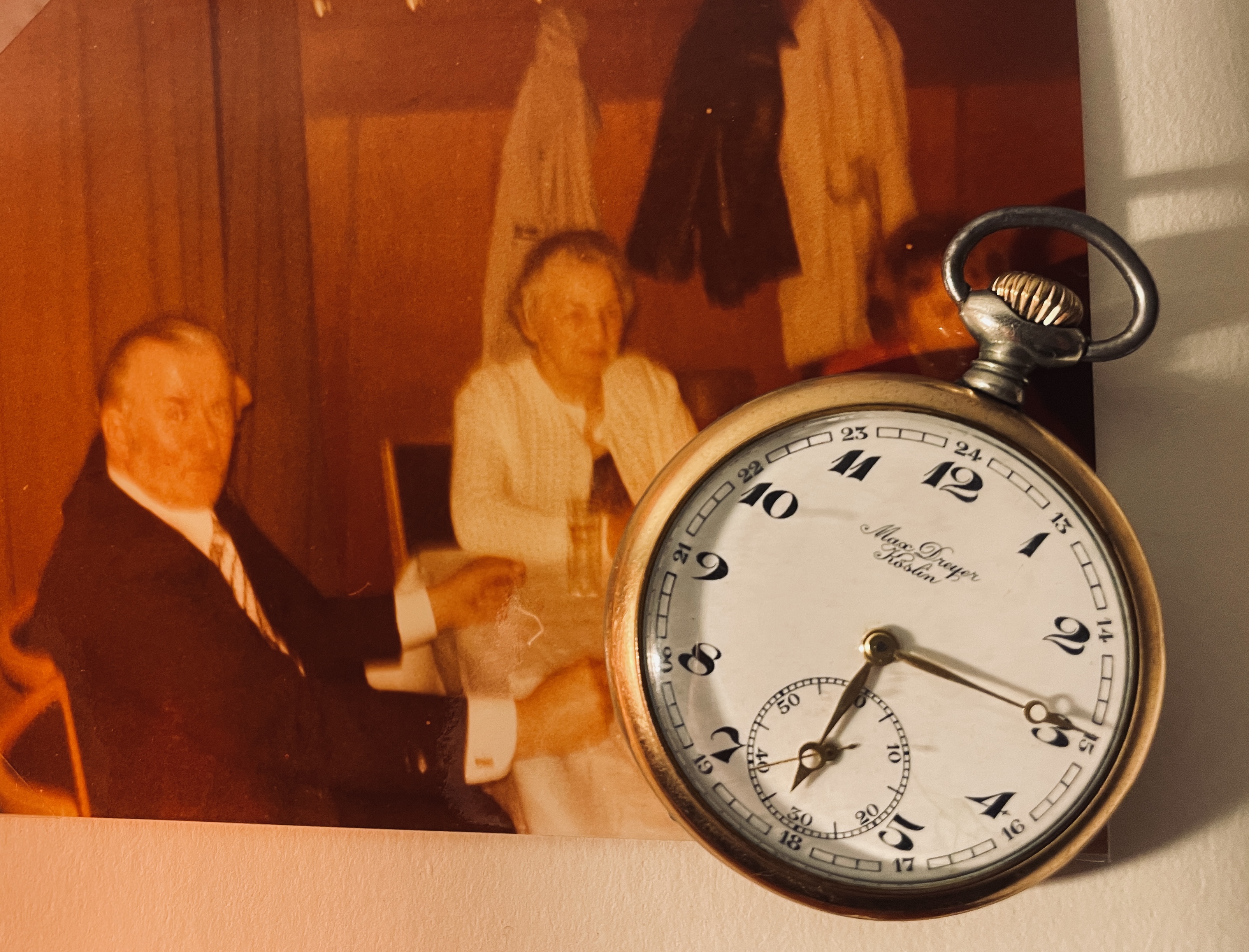
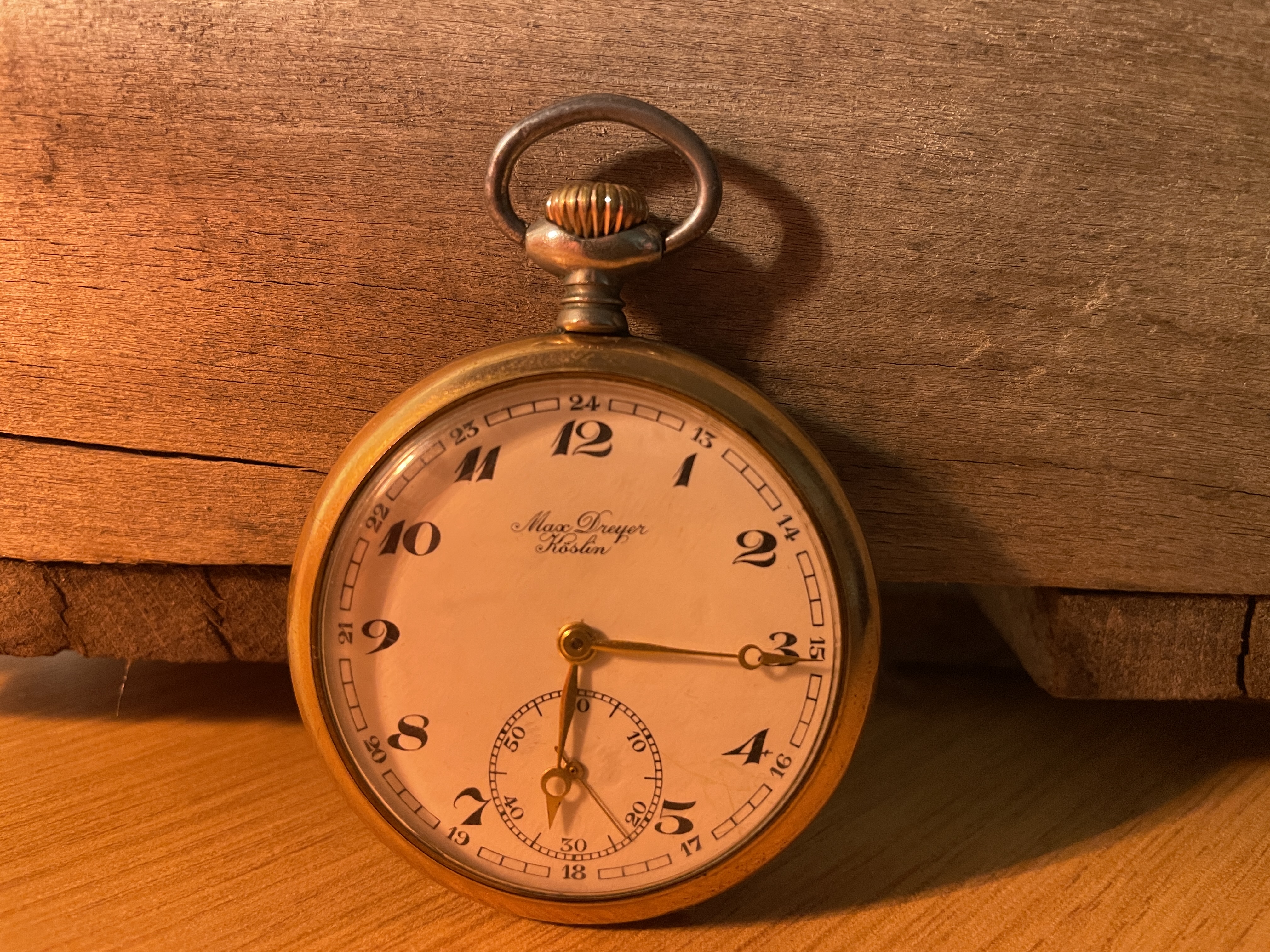
The highly regarded watchmakers store Max Dreyer on Hohetor-Strasse no. 17 in the German city of Köslin was founded in 1886. One day in 1927 my great- great-grandfather Hermman Krüger bought a beautiful pocket watch as a gift for the confirmation of his on Willi.
Today this same pocket watch lies here on my desk. My father who once received the pocket watch from my grandfather gave it to me. He also told me stories about my great-grandfather Willi. Willi never talked much. What we know is that he was born in 1913 on a poor farm amidst the sandy fields of the Protestant province Pomerania of the German Empire, where his tenant farmer parents and their eight children shared two rooms in a wooden cottage with no electricity. As a young man he also worked on the farm. Because the family was so poor he always cherished the watch his father gave him. He served as a sapper in the Wehrmacht from 1939 on. One of the few stories he told my grandfather was that one time during his service as a soldier, he lost his pocket watch on the battlefield. But like some kind of miracle, sometime later he served again in the same area and found his lost watch again. My grandfather is the one who got the pocket watch after my great-grandfather passed away in 2001. Some years later my grandfather gave the pocket watch to my father. My grandfather also told me that my great-grandfather always had the watch with him and how much he cared about his pocket watch, „He always stored it away safely.“ he said.
My grandfather, my father and I were all born in the city of Solingen in western Germany. The reason for this is that my great-grandfather Willi ended up here in 1948 after his service as a soldier and prisoner of war in France for three years. In the meantime, his hometown Köslin had become the Polish city of Koszalin. The post-war order for Europe decided by the UK, USA, and the Soviet Union required border changes and population shifts. So because of this almost the entire German population of Pomerania – almost 2 million people – fled or were expelled. Their houses and possessions were left for the new arrivals: the areas were repopulated in turn with Poles who had been expelled from the Kresy regions in the east, which were divided between the Ukrainian, Belarusian, and Lithuanian Soviet Republics and settled by Lithuanians and Ukrainians. Because Willi’s sister Anna already had moved to Solingen from Pomerania he came to this town. One of the few things he brought with him was his pocket watch. In Solingen he met his future wife and my great-grandmother Cäcilie, who was also a refugee but from the province of East Prussia.
Willi never saw his home again before he passed away and never talked much about the farm he grew up on. But throughout his entire life, he never spoke angry or bitterly about the people who now lived in Koszalin.