
Lucky Thirteen
About the Creator
I am an ambitious high school student with excellent academic results and strong interests in literature, theatre, and languages. Alongside my studies, I develop my passion for performing and charitable projects while becoming a professional actress.
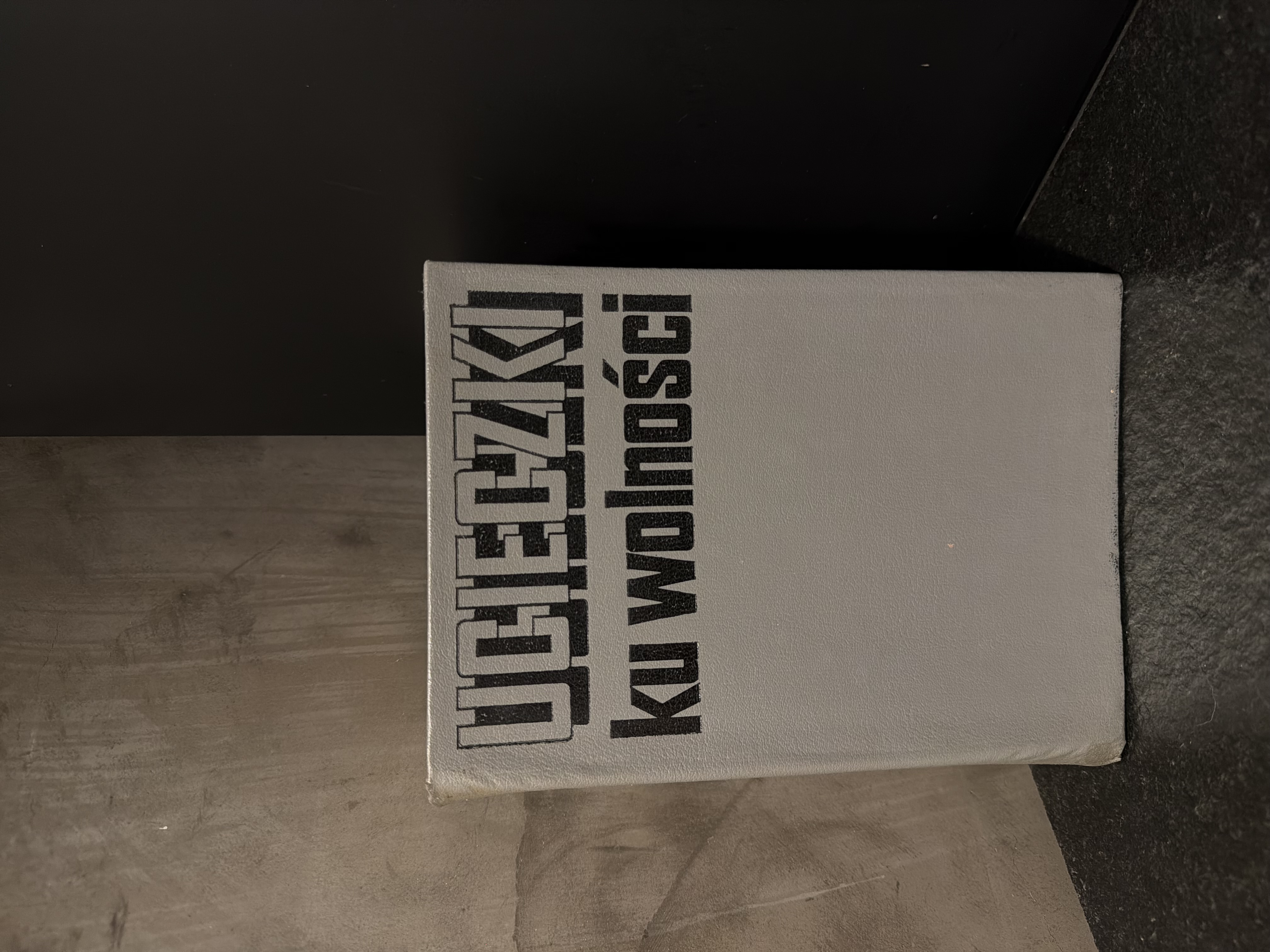
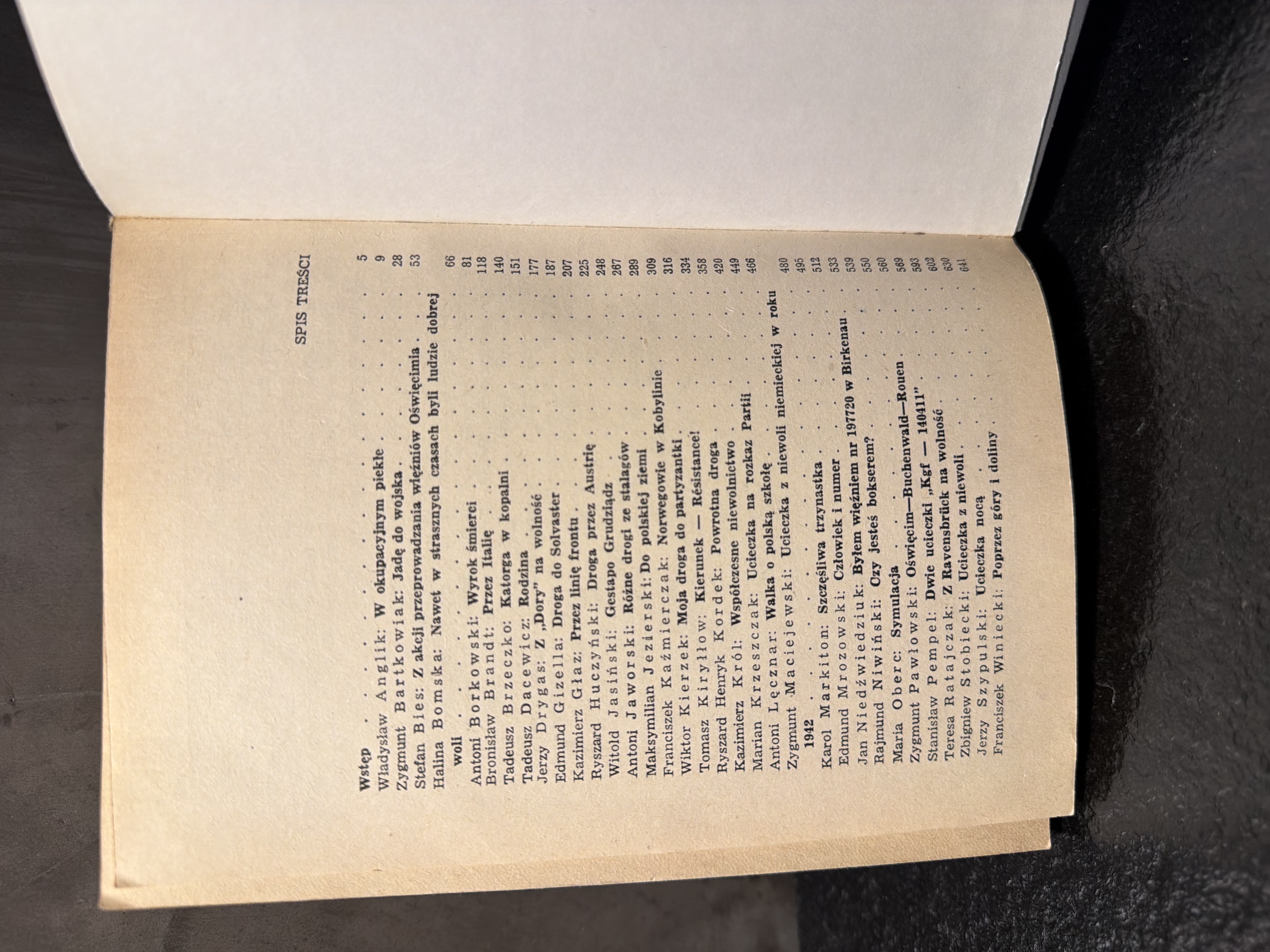
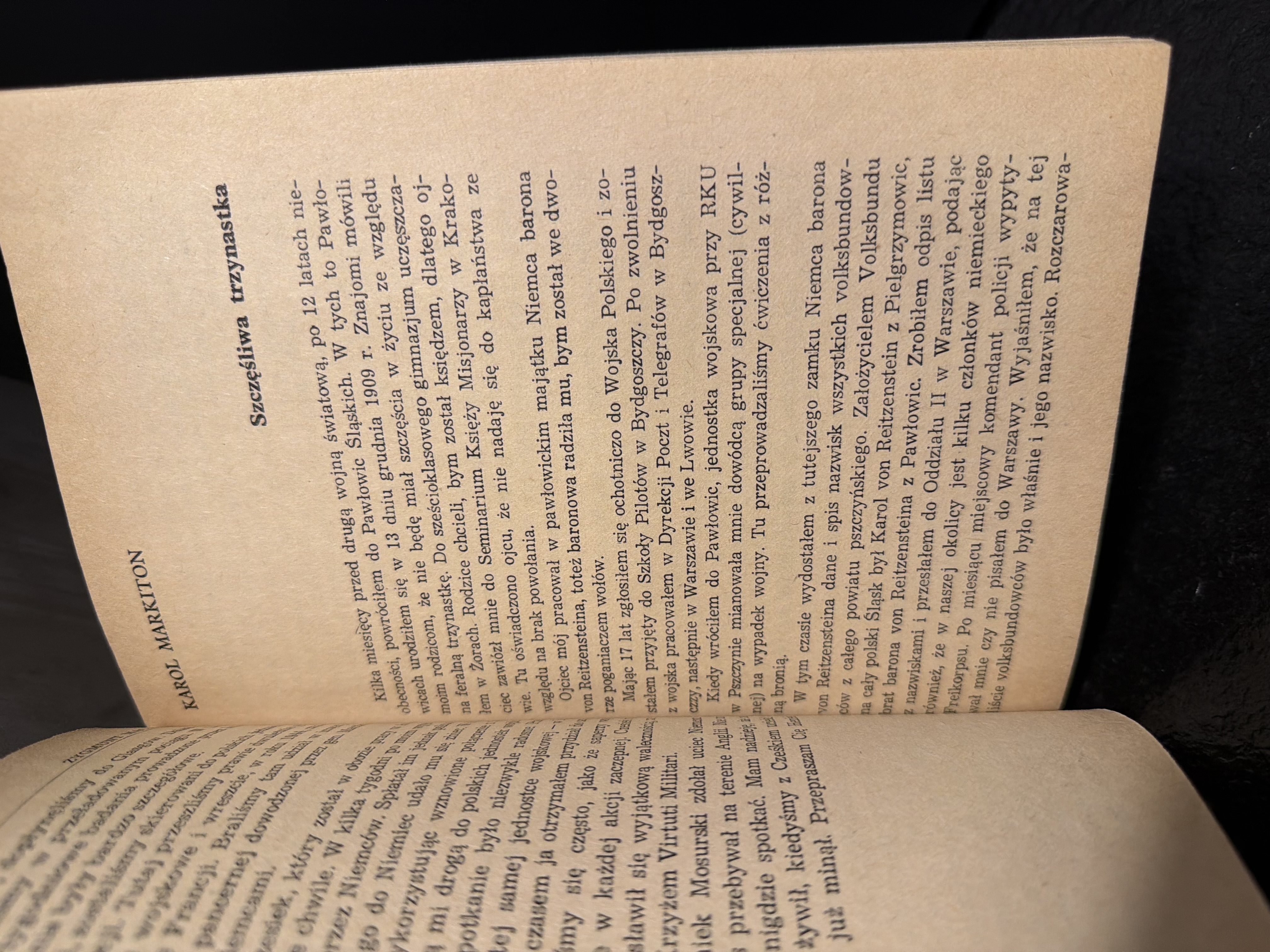
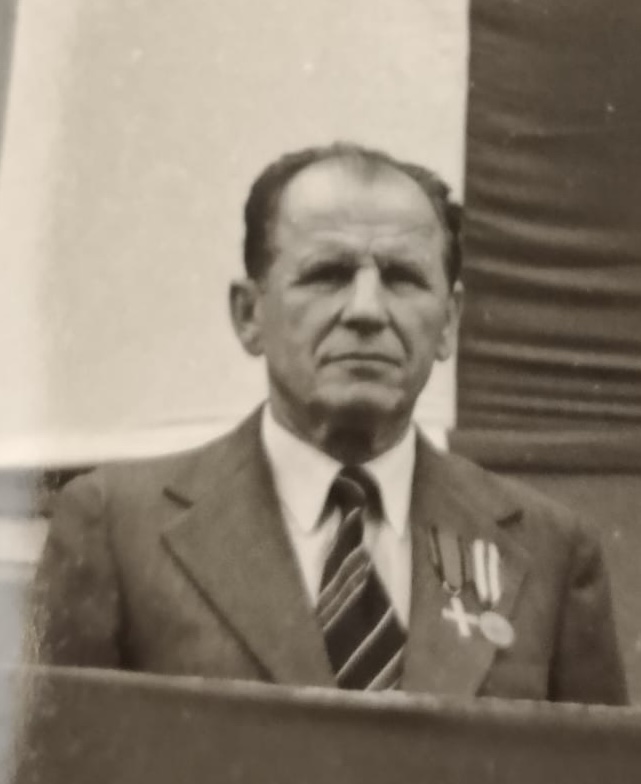
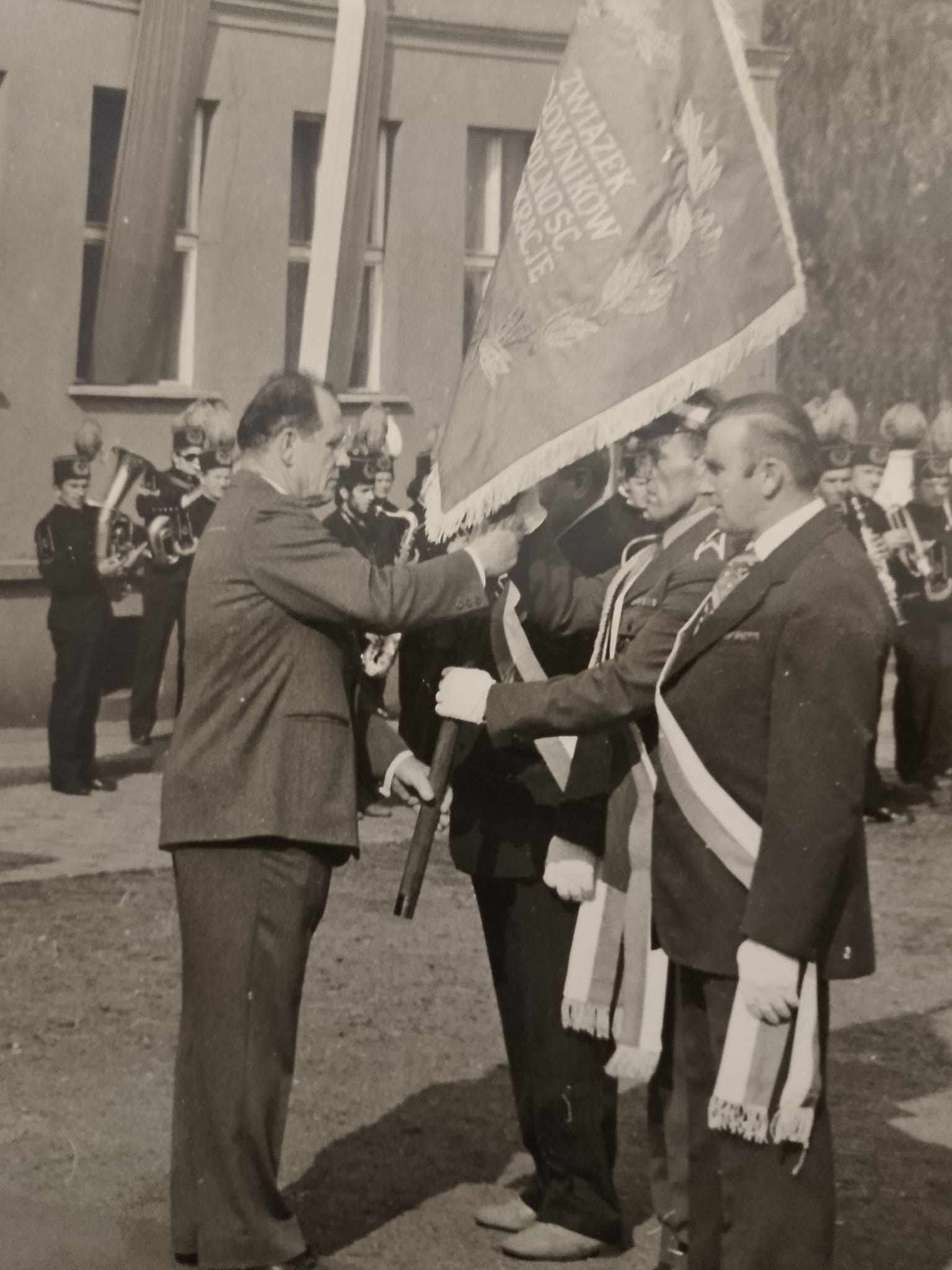
My family treasure is a book. It is titled “Ucieczki ku wolności” (“Escapes Toward Freedom”) and contains a chapter called “The Lucky Thirteen”. The chapter received this title because its author, my great-grandfather Karol Markiton from Pawłowice Śląskie, was born on 13 December 1909.
For my family, this book is not just an old publication kept on a shelf. It is a trace of a life that was repeatedly threatened and yet continued, making all later generations possible.
During the Second World War, my great-grandfather was sentenced to death three times. Two of these sentences were issued by the German occupying authorities, but the last one came after the war — and what is hardest for me to accept is that it was issued by Poles. Reading about this today, I realize how complicated history truly is. The simple division into heroes and villains does not always exist, and this is something very difficult for someone of my age to fully understand.
The chapter describes arrests, interrogations, escapes, and the constant feeling of being watched. I try to imagine what it must have been like to live knowing that a death sentence could be carried out at any moment. But at the same time, I know that my imagination will always be limited. I grew up in safety, in peace, in freedom. The world this book depicts feels so far away, so unreal, but in fact, it happened not long ago, in places like my childhood town.
When I reflect on my great-grandfather’s life, I see that it was nearly the entirety of the twentieth century and many of its most dramatic moments. Born into the German Empire, he experienced the First World War, the hopes of the reborn Polish state, the Second World War and dangerous years that followed. As a Silesian, his identity was constantly questioned — at different times he was treated as “one of us” or as “foreign”, and after the war persecuted either as an alleged Volksdeutscher or for his involvement in non-communist resistance, including the Armia Krajowa.
This book links my family to the major issues of the Second World War, the occupation of Poland, underground resistance, and the difficult years that followed the end of the conflict. This feels especially relevant today when we look at the situation on our eastern border.
People may say that he was escaping many times, but I believe that this story conveys a clear message about how important courage is when making sudden, often risky decisions. A man who decides to act independently breaks the imposed order and tries to escape, showing that the instinct to survive and the ability to think independently can be the key to survival. Even if the chances of success are small, making an effort to fight for one’s life is extremely important, as it gives a chance to change one’s fate.
This story has a deeply personal meaning. I was born on 13 December 2009 — exactly one hundred years after my great-grandfather. This coincidence makes me feel attached to him in a very special way. I often think about what would have happened if he had not survived the war and its aftermath, my grandmother might never have been born, my mother might never have lived and finally me, as I have come to realize? In that sense, my existence depends entirely on his survival.
I believe in signs and as I am writing this essay while staying in Mexico, where “Día de los Muertos” is celebrated. Here, there are certain beliefs that the dead exist as long as someone alive remembers them. This mentality makes this book feel precious to me. My great-grandfather made the decision to write his wartime experiences down so that they would not fade. Because of that choice, his story endures - not just in our family, but in the collective memory of the twentieth century.
I hold this book, feeling grateful, but also obligated. I do not fully understand the world my great-grandfather lived in, and maybe I never will. One detail in the text makes me pause — the final sentence of the chapter could suggest that he supported the postwar communist authorities. This was not true. My great-grandfather was a soldier of the AK - Armia Krajowa, and I suspect that such a declaration was most likely necessary at the time for the book to be published at all.
Knowing this makes me realize how difficult it was to speak openly and honestly, even after the war was officially over. By reading his words today and writing about them here, I can maintain his real story. And perhaps that is what this family treasure is all about — evidence that as long as someone remembers, the story does not end.