
Why must we learn?
About the Creator
My name is Anna and I live in Poland. I'm 16 and attend high school in Kraków. In my free time I enjoy reading and rollerblading.
Why must we learn?
Humans have a fundamental need, one so deeply coded in our brains, a necessity much stronger than any other species experiences.
It is a desire to learn.
We have felt a yearning for knowledge from our earliest years. When we learn, the question: “Why must we be taught about this?” arises many times, especially while studying history.
The answer is that history repeats itself. We learn about the mistakes made in the past, in order not to replicate the errors. And yet, new conflicts emerge resulting in deaths and tragedies in a multitude of families. Which is why learning should not only be done to satisfy one's internal aspirations, but for humans to function more effectively in a society.
Every single war, battle or fight leaves hurt individuals, which affects their families and later generations. Each story is different, each one is a tale worth knowing.
My great-grandfather was born in 1922 in a village called Tłuczań in Lesser Poland.
Władysław attended school, where he received excellent results. One day his teachers visited his home, wanting to talk to the boy’s father. He reported that Władek is an exceptional student and he should continue studying. His father refused, saying that this is the oldest child of six and he must work in the fields. The son did not want such a life for himself, hence, he ran away to Kraków in order to learn the trade of a shoemaker. He was 15 at the time.
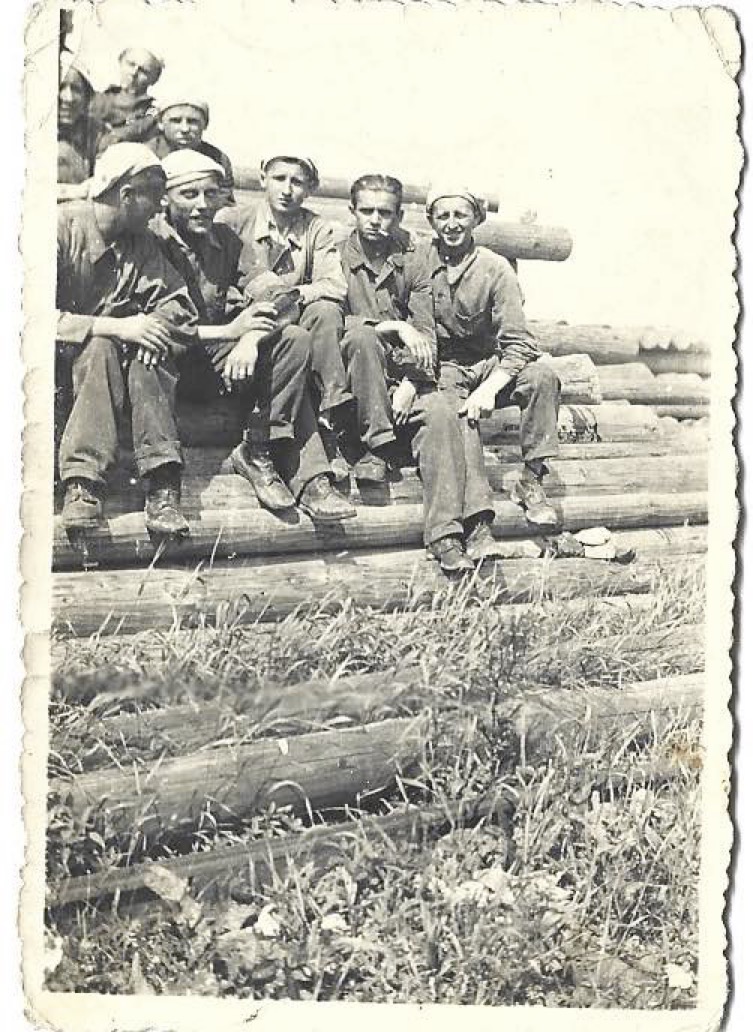
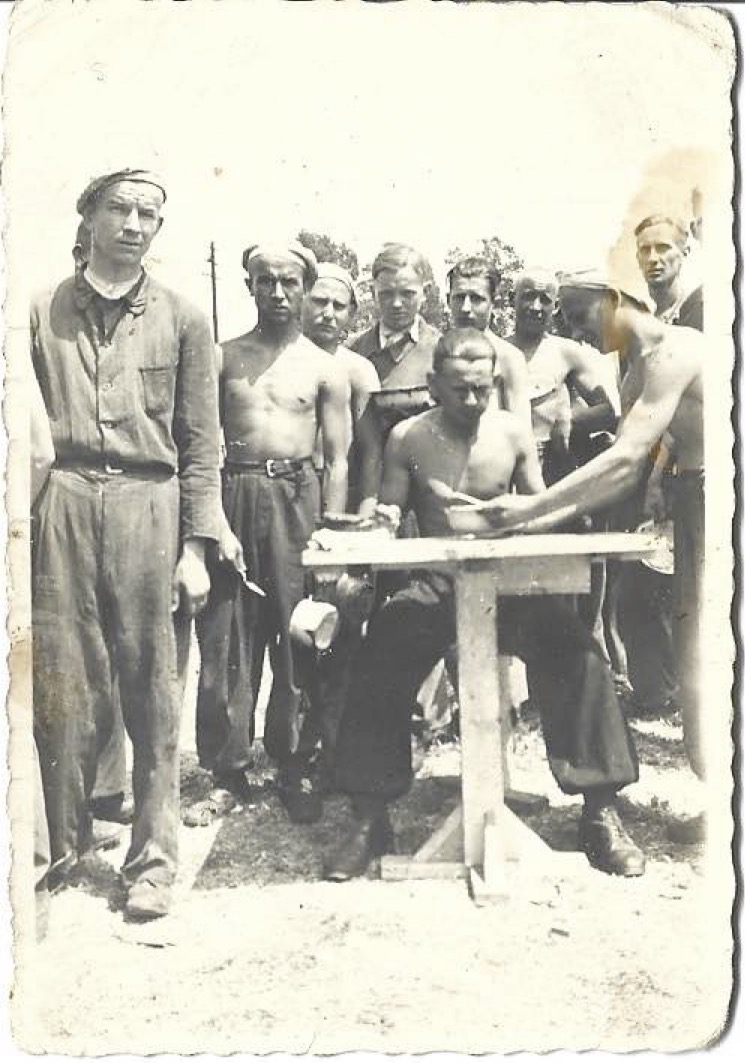
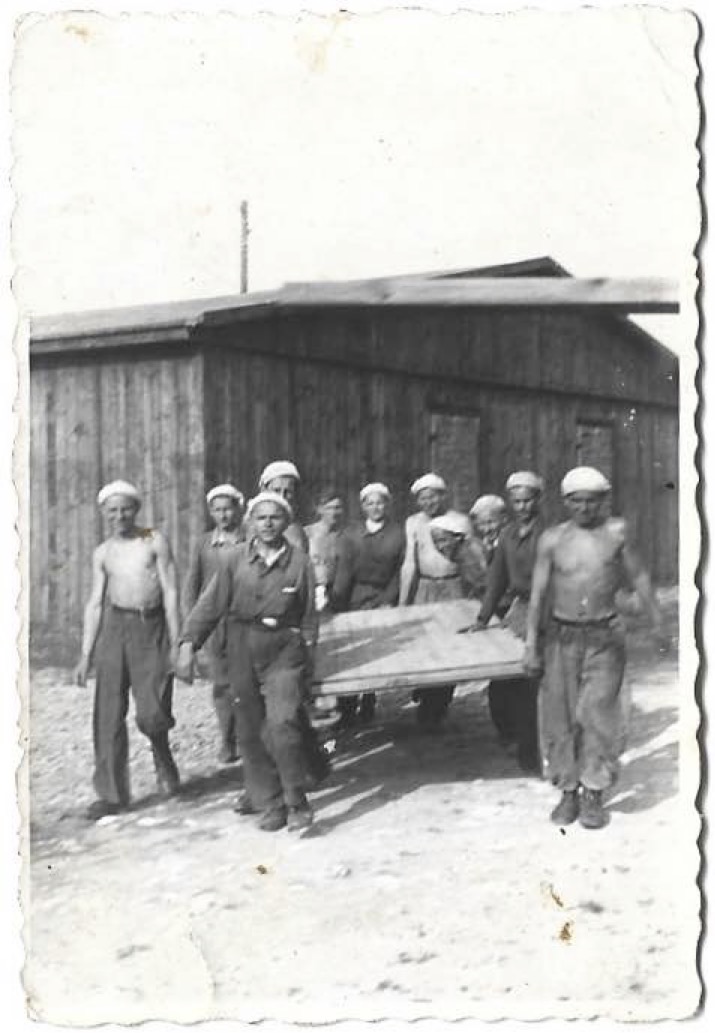
Around 1940/41 notices were posted in the streets requiring all men born in the years 1920–1927 to report to Plaszow labour camp. They were garrisoned in barracks. On some Sundays they could return home for the day, visit their families. I talked with my grandmother, who heard about it just recently from her grandfather's sister Józefina. She mentioned that her brother came home by foot, the distance between Tłuczań and Kraków being just below 40km - 8 hours of walking. I wonder how it was possible, he couldn’t leave in the morning and make it back before sunset. Maybe he would leave during the night, or come back just before sunrise on Monday? Before coming inside the house his mother made him shake out his clothes and hair - they would be full of lice.
It’s not a mystery in my family that my great-grandfather for years after leaving that camp refused to eat any kind of vegetable soup. I asked my grandmother about it. She knows that they got only one meal a day, usually it being vegetable soup made from fodder beets and a small piece of bread.
He stayed in the labour camp for 2 years. They endured military discipline and a severe regime. I think he may be considered lucky, since in 1944 the camp was converted into a concentration camp. Władysław was a very reserved person, he didn’t like to share his emotions. My grandmother doesn’t remember being hugged by her father, she remembers him as a strict parent. He was extremely proud when both his daughters graduated from university. His younger child tells me that it was the one time he didn’t hide his pride and contentment. Władysław never managed to attend high school, which left him with primary education. He passed an exam to become a master shoemaker. That allowed him to open his own shoe repair shop and take on apprentices.
My great-grandfather was a righteous and upright man, but also very traditional. He did not allow his wife to start working, and when she did, despite his opinion, he did not speak to her for two weeks.
Unfortunately, I did not have the privilege of knowing my great-grandfather. On the account of him not wanting to speak much about his time spent in the Plaszow labour camp, this story is written mostly with help of his daughter - my grandmother. She pressed her father to tell her about it when she was a teenager, and talked about it with other members of the family, for example her aunt. Some facts may be incorrect, and we may not know many other details, but that should not stop us from trying to understand his story. He may have been spared, but no innocent human should have to live through such things.
Quite often while commuting I pass by the Torn Hearts Monument - five human figures, with their heads pointing down, carved into a stone block. A deep, horizontal crack is located at the level of their chests (the height of their hearts). Every time I wonder - to which extent did my great-grandfather lose his heart in this labour camp?
History has been repeating itself for as long as humans are on this planet, yet I sincerely hope we will learn to avoid making mistakes that have already been made. I am not very optimistic about our chances regarding this, but what is a human without hope?