
My Family Journal
About the Creator
I am a 10th grade student, passionate about both my family history and world history, and willing to learn more every day.
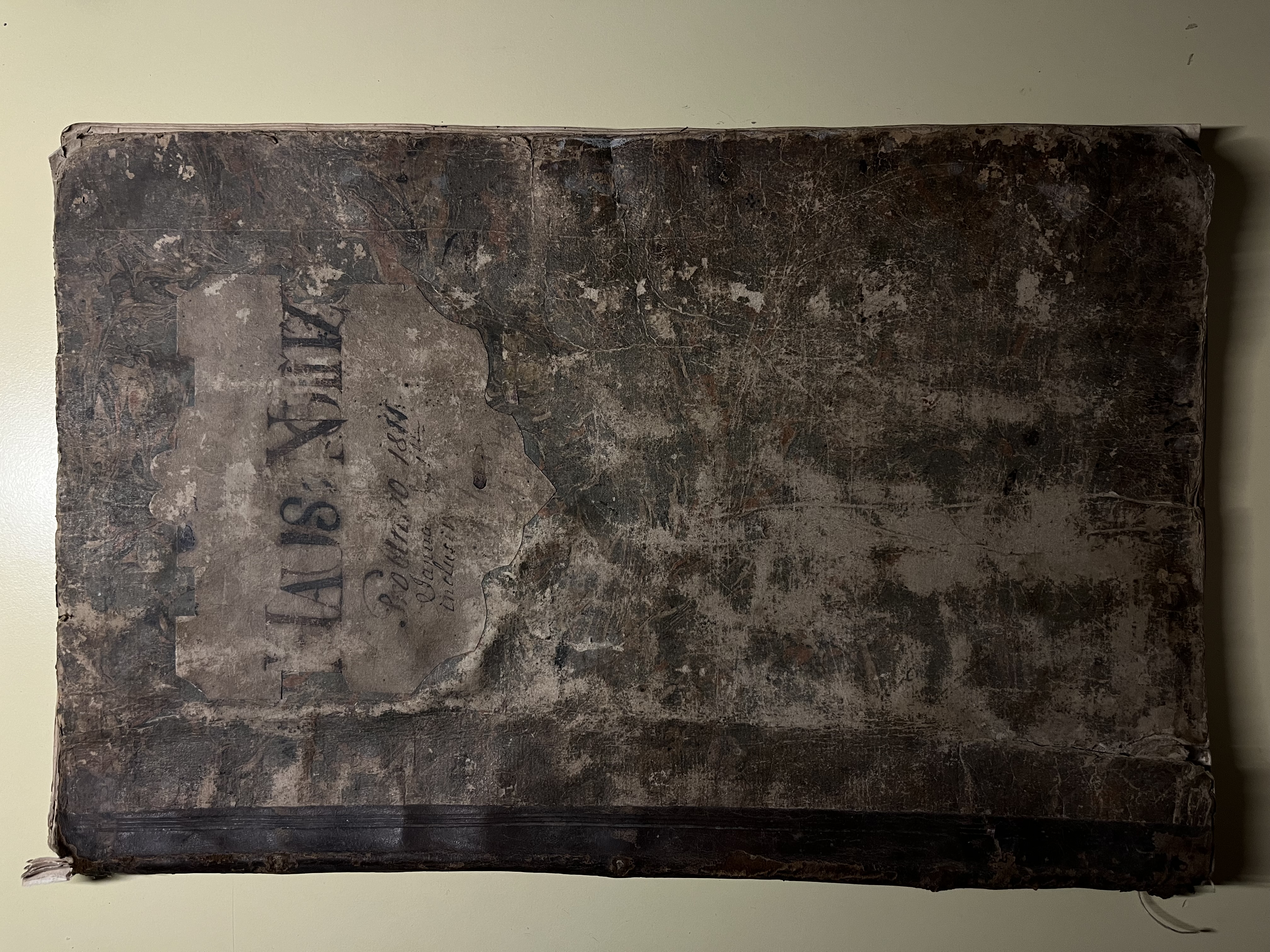
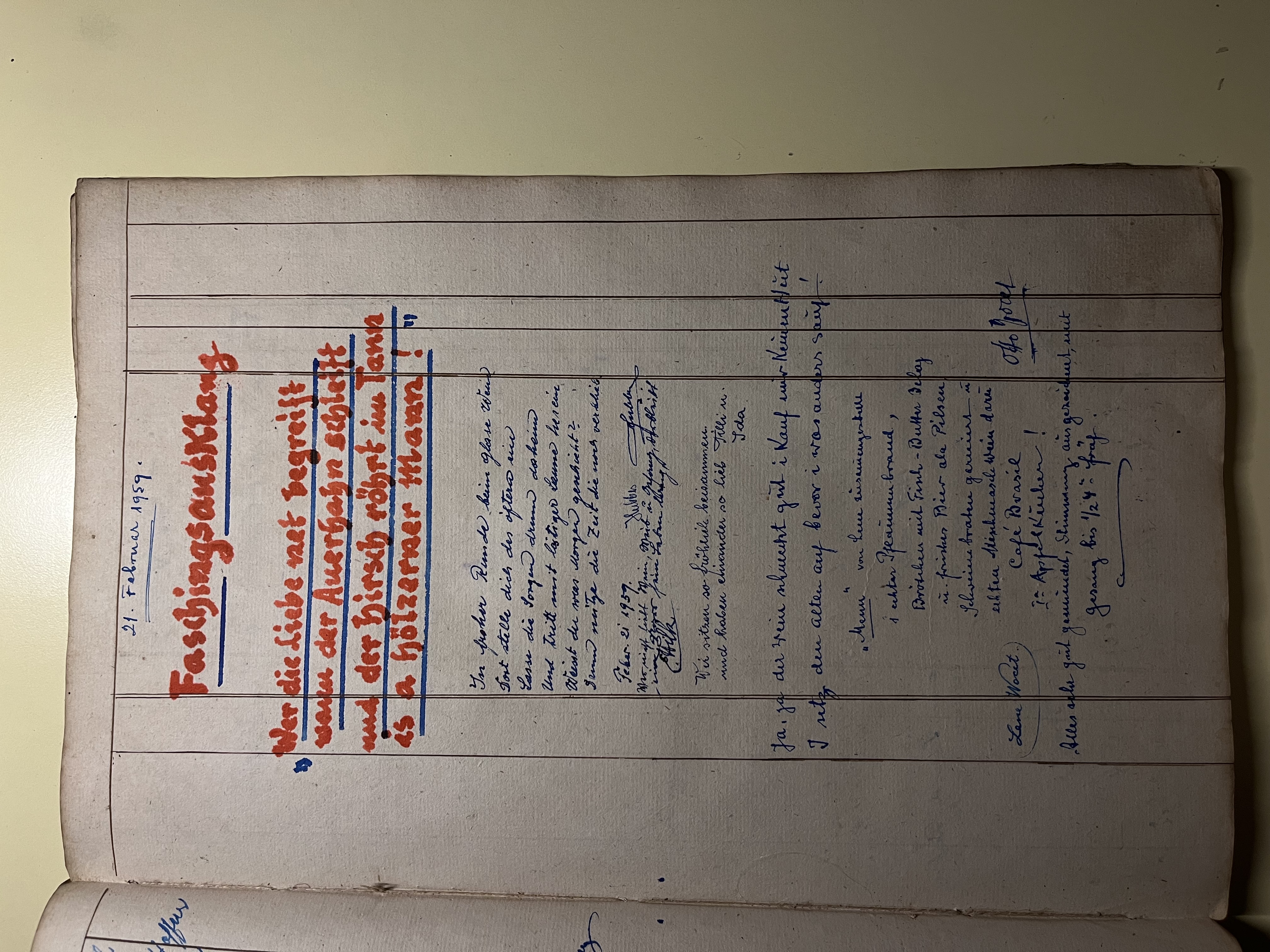
After my grandparents’ demise, I found my family diary in the library of our house. An old memoir full of fine cracks, worn corners and thick dark cardboard covers on which was written in large, elegant letters the phrase "Haus Notitz", a German formulation where "Haus" translates as "house" and "Notitz" means "note". When I opened it, I was enveloped by the aroma of pages yellowed by time and an old, clear and well-shaped handwriting, whose letters retain a special vibration, revealing the personality of the one who carefully and patiently wrote them. My maternal great-grandparents, who belonged to the Transylvanian Saxon community of Brașov, Romania, kept written track of all the important events in their lives (parties, birthdays, New Year's Eve, etc.).
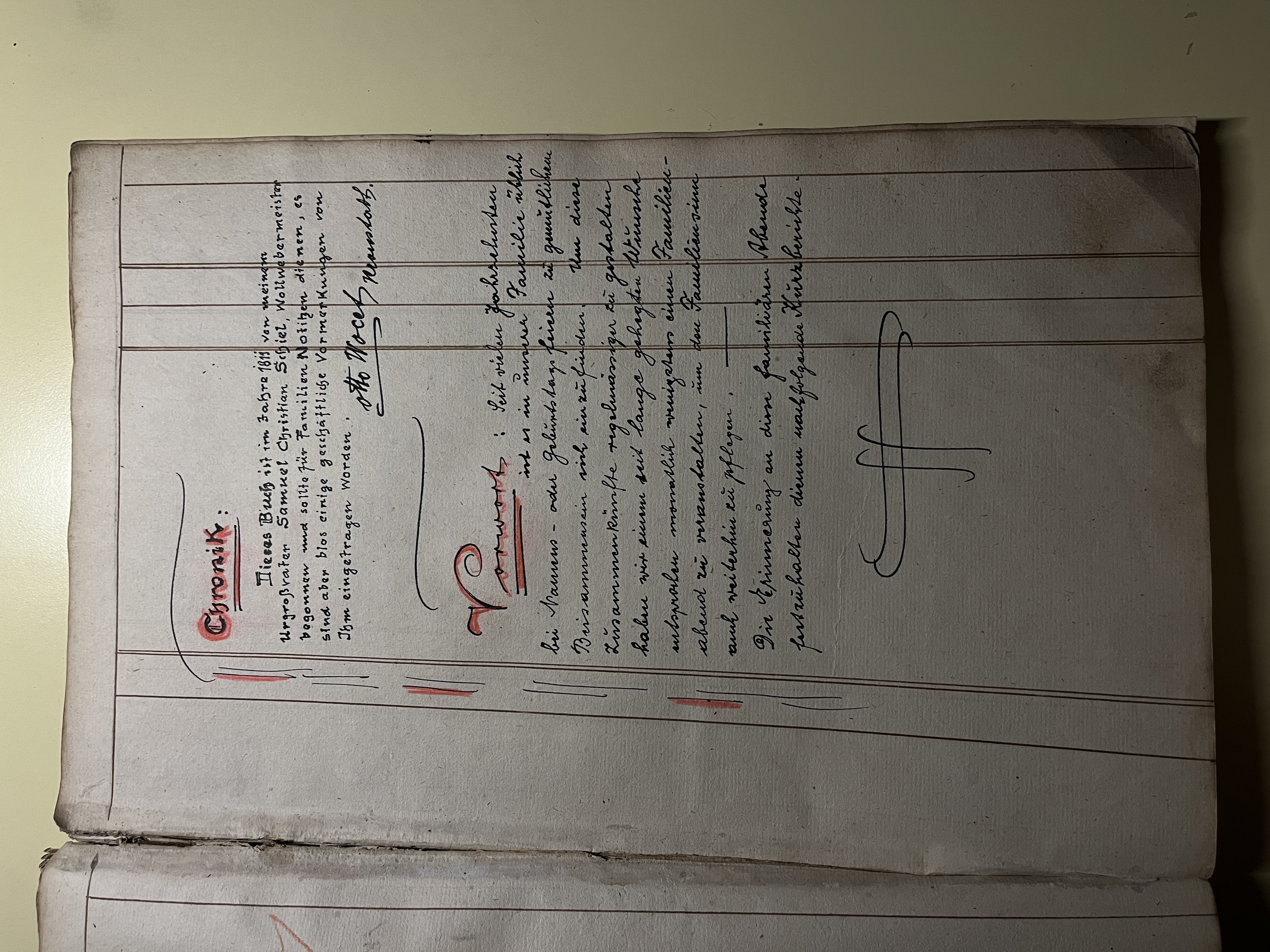
Unfortunately, the content of the first pages is difficult to decipher as it appears to be in very old German handwriting. As I leafed through it further, I came across pages where the writing began to become legible. The first thing I could read was the chronicle and the “foreword” of this book. From these I learnt that the earlier indecipherable handwriting belonged to my great-great-grandfather, Samuel Christian Schiel, a master weaver, and that he began to write down various details about his family and his job in his diary back in 1811.
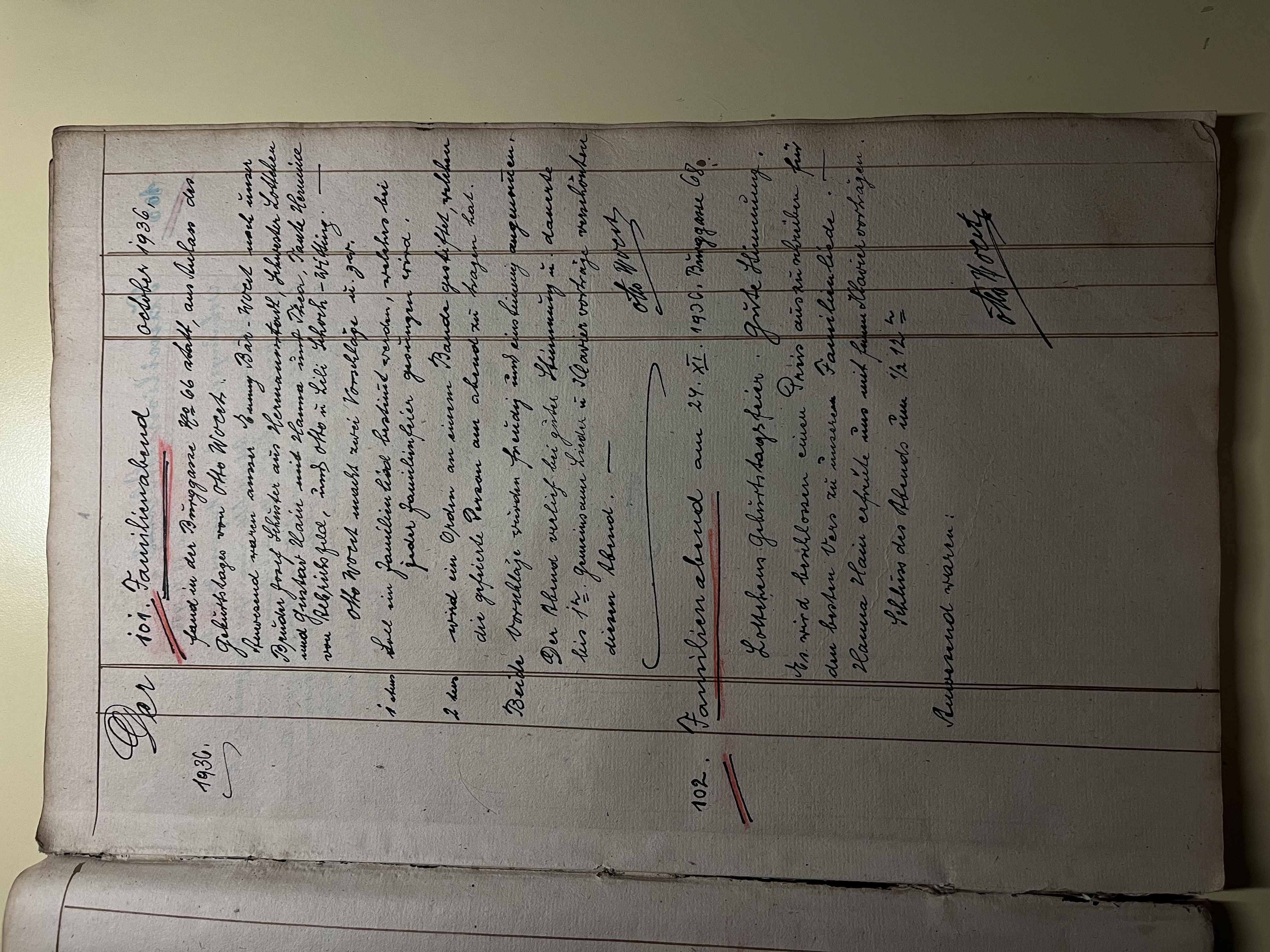
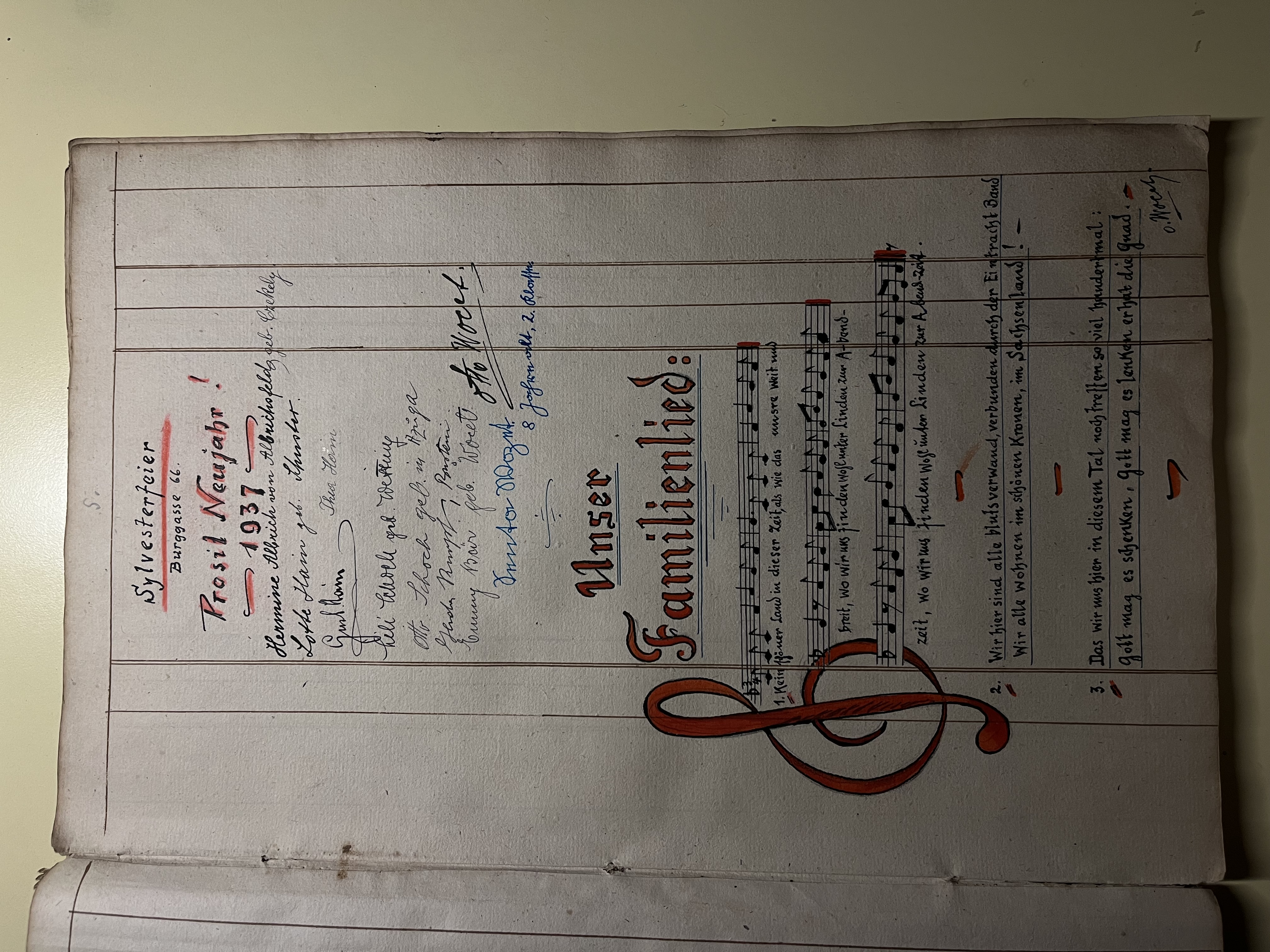
Taking up tradition, my great-grandfather Otto wrote this family book more seriously. He began by describing a family evening in October 1936. Jokes, good humor and music created a warm atmosphere. Many relatives took part in this gathering and the topic of discussion was composing a family song to be sung at every celebration. At the next reunion, a cousin of my great-grandfather’s came up with some suggestions for melodic lines that she played on the piano, and the family members decided to offer a prize to the one who wrote the most beautiful lyrics. Finally, at the beginning of 1937 the family song resounded for the first time in the great-grandfathers' house. The lyrics refer to the unity of the family and the history of the community. The city of Brașov is mentioned, to which the family is proud to belong, along with the so-called "Sachsenland", the region of Transylvania so dear to their ancestors.
In addition to this memorable story, the family book contains many other unforgettable moments lived by my great-grandparents. They recount trips around Romania, Christmas and New Year's Eve parties, but also other celebrations specific to the Transylvanian Saxon community, such as Carnival (Fasching) - a celebration where a young man climbs a tall wooden pole to reach a suspended wreath of flowers, from where he utters a blessing and throws sweets to children, Crown Festival (Kronenfest) - a celebration where a group of young people disguised in different costumes walk through the city, singing songs of good cheer, and Maialul Saxons (Maifest) - an elegant parade of Transylvanian Saxon students and young people in folk costumes, followed by traditional dances and picnics in nature.
In conclusion, the family book discovered in my grandparents' library is not just a simple history book, but a window into the past that captures accurately and emotionally exactly the times my family lived. Reading it, I had the opportunity to discover novel and fascinating details, inspiring me to value more the legacy left by my forefathers and to further impart it.