
Just a photo?
About the Creator
I am historian and co-founder of the project: "Ocalić historię". We also organise workshops on how to store documents in home archives and history workshops for children in schools.
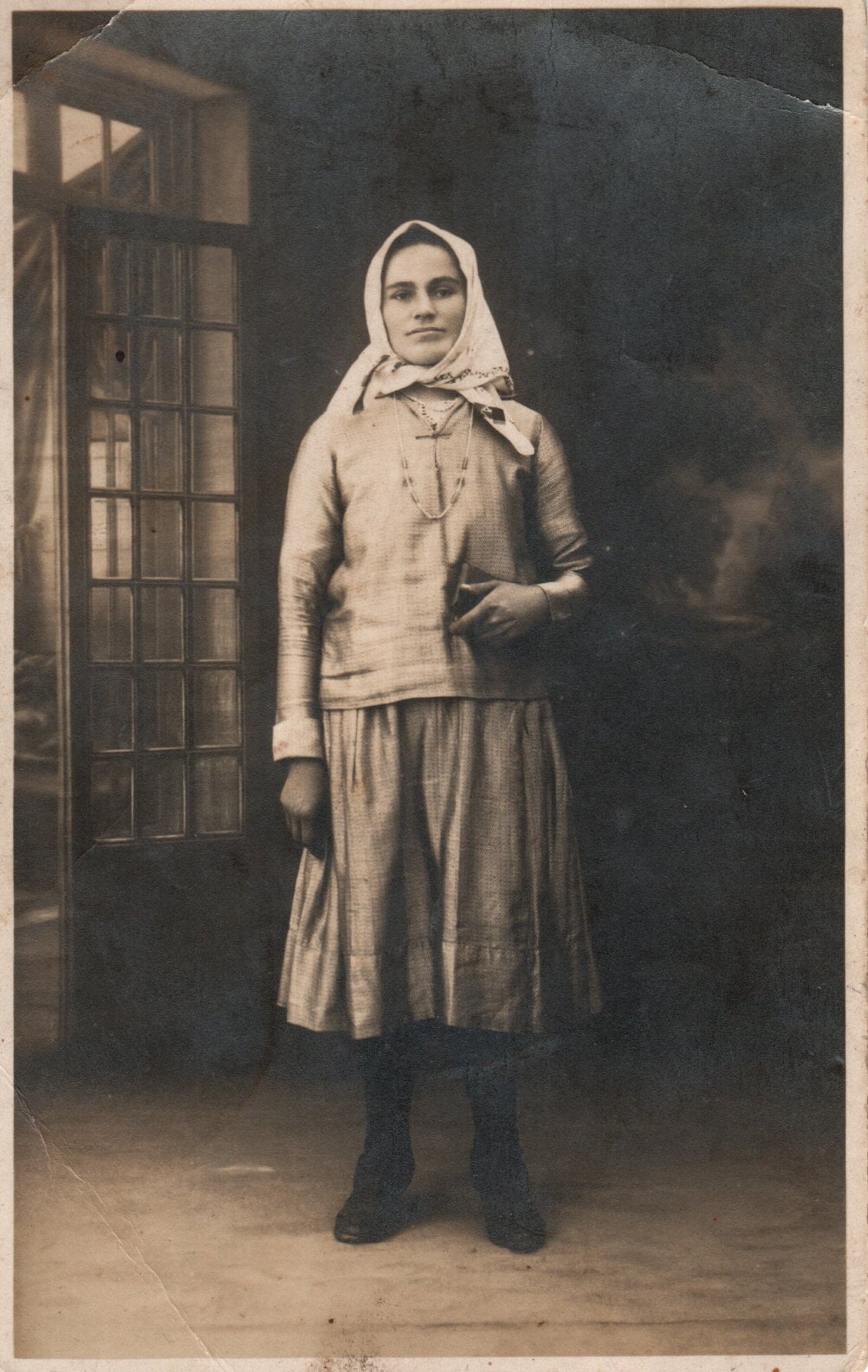
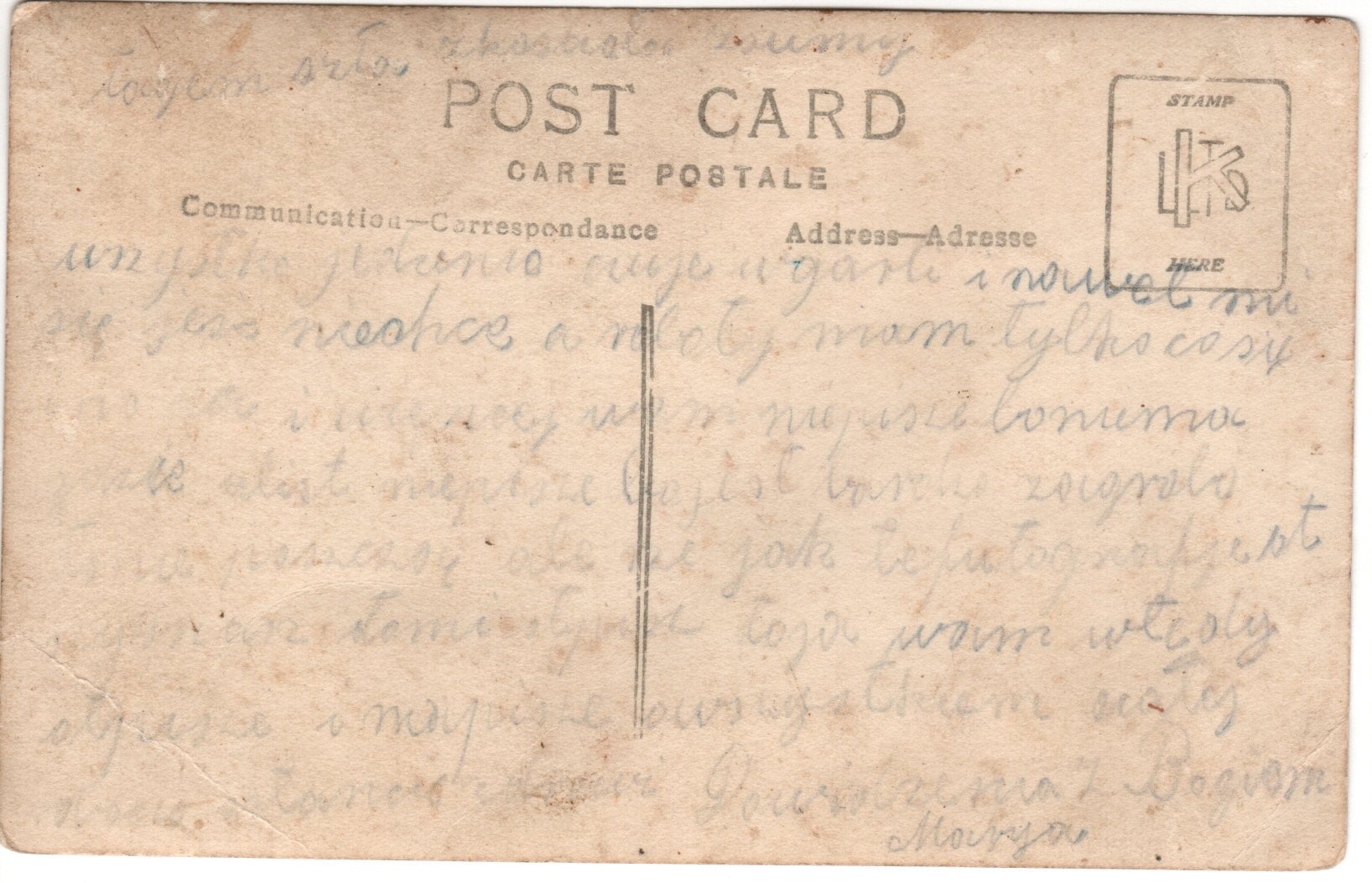
One small photo lay forgotten in a box with other photographs in my grandparents’ house for several decades. It depicts a young woman wearing old-fashioned clothes – long skirt, long-sleeved jacket and head-scarf. Behind her, there is a door. At first glance, it is nothing special. However everything changes when you turn the photo over. Then you can see that it is not a photograph, but a postcard, and on the back there is a short letter…
The photograph depicts my great-grandmother, Maria Znaczko (née Fuczyło), who was born in 1906 in quite big village near Lviv called Tuligłowy. In her early twenties, Maria made one of the most important decisions of her life – to leave both her small homeland and Poland. After being abandoned by her daughter’s father, she had to face everything on her own. The situation was more difficult that Galicia was the poorest region in the whole country. Poverty, famine and a lack of perspectives… These conditions were reflected in the ironic name of the province dating back to the 19th century, called “Golicja and Głodomeria” (the land of nakedness and hunger) instead of Galicia and Lodomeria. No wonder people decided to leave Poland looking for a better life for them and their families. Among the most popular destinations was Prussia, Austria-Hungary and even the United States.
Maria chose France. She travelled alone. Her daughter was left in Tuligłowy in the care of her brother’s family. Women with children had little chance of finding work. Moreover, it was impossible for many adults to survive such a travel, let alone a toddler. Surely, it was not an easy decision. While in France, Maria wrote: „I feel all the food in my throat and I do not even want to eat (…)”. Further, she mentioned that she had found the job, but that it did not involve many responsibilities. Probably not enough to keep her mind occupied and stop her from thinking about home. Her longing was even stronger as she could not contact her family in the way she wished: „(…) I am not writing more here, because there is no space. I will not write a letter, as it would be too thick and I would not send it, unlike this photograph (…)”. Sending a single postcard was simply cheaper than sending a letter, but it still gave a glimmer of hope for the addressees. However, Maria promised to send a longer message soon, in which she would describe her work. There was not even enough space for the last sentence, so Maria finished it at the top of the postcard. She explained that the photo on the back was taken at the church’s door after Sunday Mass. Just one short phase, but one that says a lot. In this light, her old-fashioned clothes become a festive clothing. The item in her left hand is undoubtedly a prayer book, and the object behind her begins to resemble a baptismal font.
During her stay in France Maria worked on a farm. She spent only a few years there, but this period influenced her entire life. There she met her future husband, Michał, who had also left Poland in search of work. They married around 1931. Later, they returned to Poland, to the village where Maria was born. Thanks to the money they earned in France, Maria and Michał built a new house in Tuligłowy, and in 1933 their daughter Franciszka – my grandmother – was born. It was a short moment of happiness that they found before the outbreak of World War II.
In 1945 Maria and her family had to face their fate once again. Following the post-war peace agreements and the change of Poland's borders, the inhabitants of Tuligłowy, like many others living in the former Lviv province, were forced to travel west, to the Western Borderlands. It was a long travel into the unknown. They could not take everything they owned, but they did not forget one small postcard…
To me, the postcard and the short letter written on its back were a chance to get to know a woman I never had the opportunity to meet. A woman who may not have done anything remarkable for history, but who showed that sometimes you must take responsibility for your own life, even it is very difficult. She was supported by her family, who took care of her daughter, yet she still travelled alone thousands of kilometres to a foreign country at a time when women were not regarded as equal to men. Finally, this family treasure is a proof that there are small, individual stories unfolding in the background of larger historical events, whose only remaining trace is sometimes a single photograph.
One small photo once found forgotten in a box with other photographs, now carries a story… The photo that reveals much more than is noticeable at first glance. The story about decisions that were made and emotions. The story that fits into the broader historical context while also bearing witness to an individual life. The story of my family and part of my identity.