
The Weight of a Single Page
About the Creator
I am Ines Jančula from Đakovo, Croatia, and I teach history in high school. I am passionate about exploring personal and family stories to reveal the human experiences behind historical events.
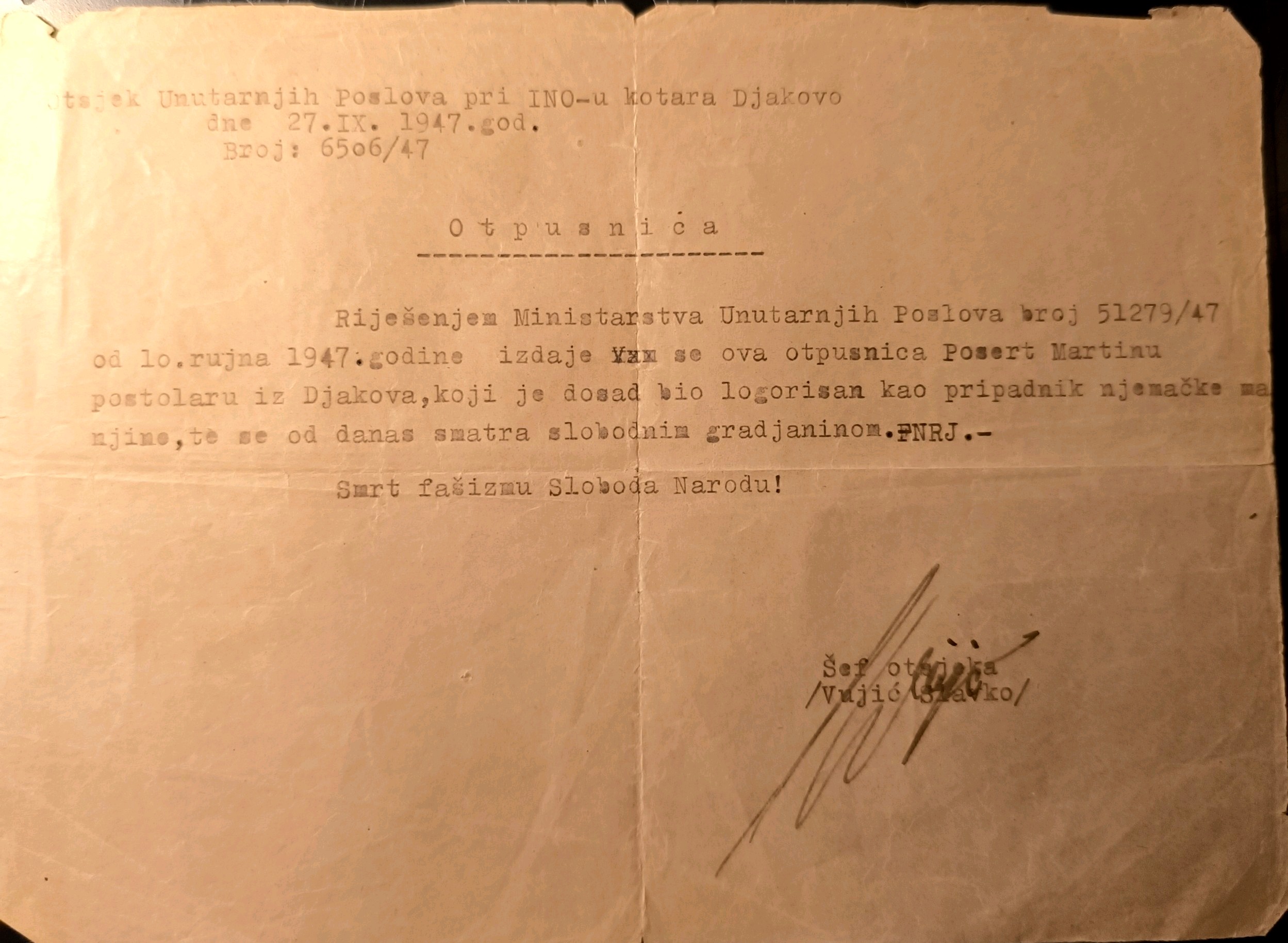
In my family archive, there is no gold, no jewellery, no medals. There is only a thin, yellowed sheet of paper — an official document stating that my great-grandfather, Martin Possert, is free of guilt and a “free citizen.” At first glance, it looks like the end of a story. In reality, it marks the moment when an innocent man was finally told he was allowed to exist again.
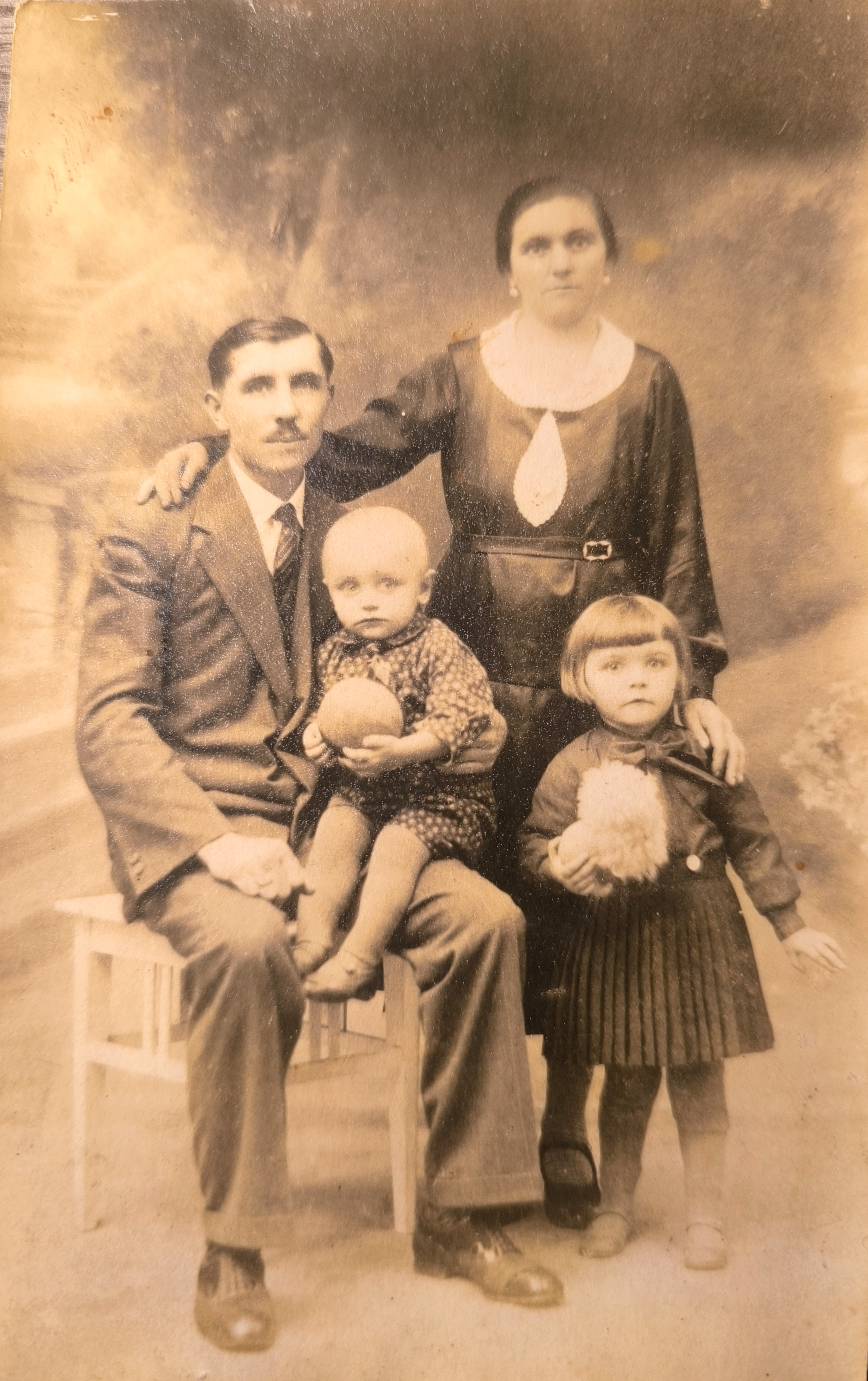
Martin Possert lived in Đakovo, a small town in eastern Croatia, with his wife and their two children. He was a shoemaker — a man who repaired what others had worn out. His hands were made for stitching leather, not holding weapons. He did not fight in the Second World War, neither as a member of the Ustaša nor as a German soldier. Toward the end of the war, he even joined the Partisans. Yet when the fighting stopped, none of this protected him.
His only crime was his ethnicity. As a member of the German minority — the Volksdeutsche — he became part of a group declared collectively guilty. Across postwar Yugoslavia, ethnic Germans were stripped of property, civil rights, and freedom. Many were expelled, imprisoned, or sent to camps. My great-grandfather and his family lost everything: their home, their livelihood, their safety, and their future.
They were interned in a camp, where survival depended on endurance rather than innocence. At some point, they decided to risk everything and escape. During their flight, guards opened fire. My great-grandfather’s son — my grandfather — was shot in the leg. He survived, but the wound remained a permanent reminder that even children were not spared.
Two years later, in 1947, the authorities issued the document I now hold. It confirmed that Martin Possert had not served in enemy forces, had not been a member of hostile organizations, and was therefore released from suspicion. On paper, justice had been restored. In reality, justice had merely arrived too late. Nothing that had been taken was returned — not the home, not the possessions, not the years of fear.
The paper itself is fragile, its edges worn, its ink fading. Yet it carries enormous weight. It proves that a man once considered dangerous was, in fact, innocent all along. It also exposes a darker truth of the twentieth century: that entire communities could be punished not for what they had done, but for who they were.
The fate of the Volksdeutsche in Eastern Europe remains one of the least discussed consequences of the Second World War. Millions were displaced, imprisoned, or expelled in the name of retribution. This document is a small but powerful witness to that history. It shows how war does not end when the shooting stops — it lingers in laws, policies, and lives shattered long afterward.
For my family, this is not just a historical artifact. It is proof of survival. It tells us that our great- grandfather endured humiliation, loss, and danger, yet lived long enough to hold in his hands the official confirmation of his innocence. It reminds us that behind every statistic is a person, a family, a home that once existed.
When I look at this paper, I do not see bureaucracy. I see a shoemaker who wanted nothing more than to live quietly with his family. I see a boy running under gunfire. I see a man waiting two years to be told that he was not the enemy after all.
This fragile sheet of paper cannot restore what was lost. But it preserves something equally important: the memory of injustice, the strength of survival, and the warning that history can turn ordinary people into victims overnight.
In our family, it is not just a document. It is the proof that innocence sometimes needs official permission to breathe.