

And I see fire
About the Creator
My name is Viktor. I am 18 years old and a fourth-year student at A. G. Matoš High School in Đakovo. In my free time, I enjoy writing, most often horror stories.
And I see fire
Hollowing souls
And I see fire
Blood in the breeze
This is a line from the song I See Fire by Ed Sheeran. It is striking how a song written for the film The Hobbit can resonate with one of the most important events in modern Croatian history. Judging by the line itself, it is easy to conclude that the event in question is far from joyful—quite the opposite. I would describe it as humanity’s worst invention: war. The Croatian War of Independence.
Yet this is not a conventional story about soldiers defending their homeland’s sovereignty against aggressors seeking to conquer it. This is a story about firefighters—the hidden heroes of every war, including the Croatian War of Independence. One of those hidden heroes was my grandfather.
The Croatian War of Independence lasted from 1991 to 1995. Simply put, it broke out because of Croatia’s desire for independence through its secession from the Socialist Federal Republic of Yugoslavia. During the war, around 20,000 people were killed, counting losses on both sides (Croatian and Serbian). Most importantly for this story, 183,526 residential buildings were destroyed (according to data from 2009).
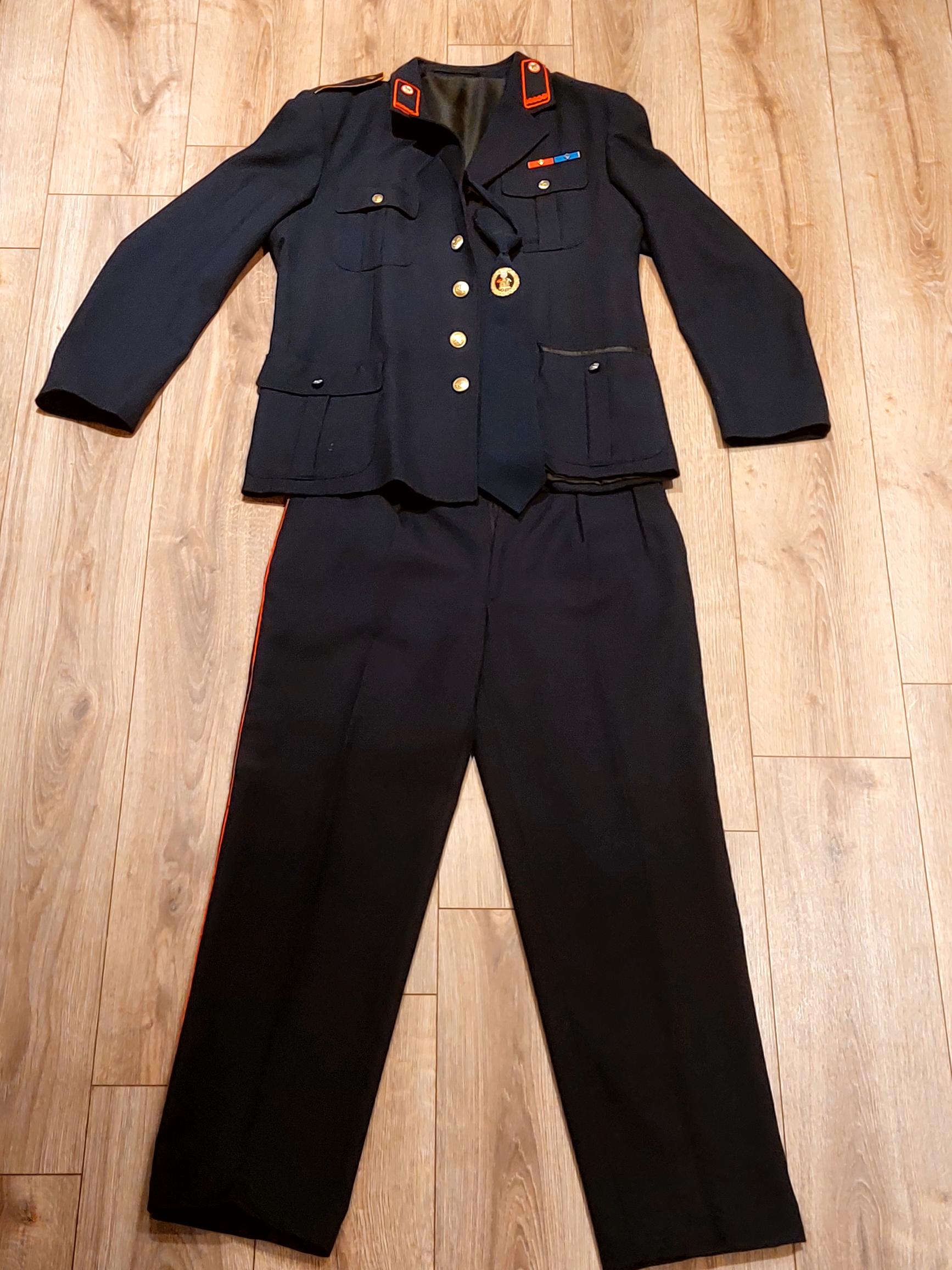
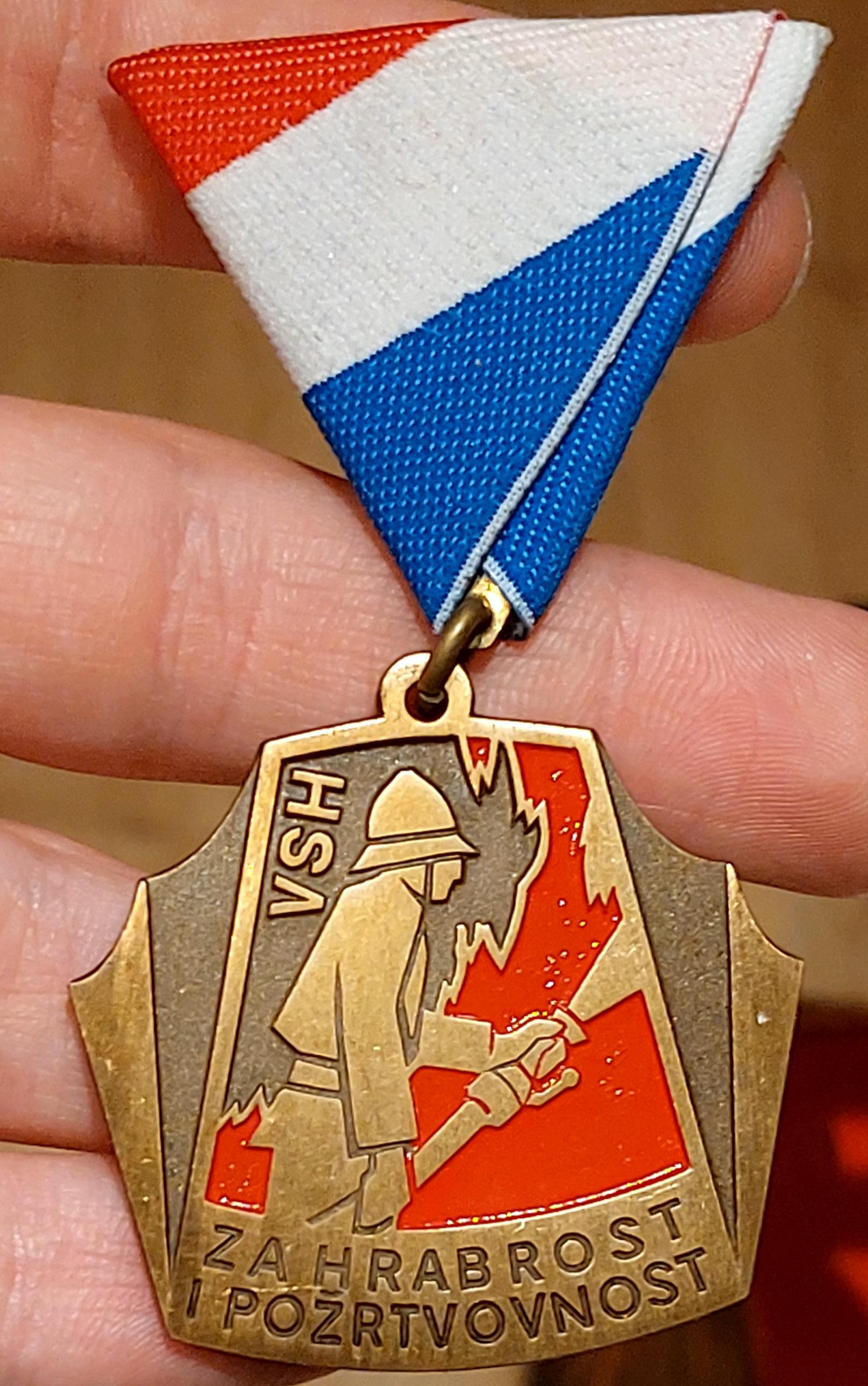
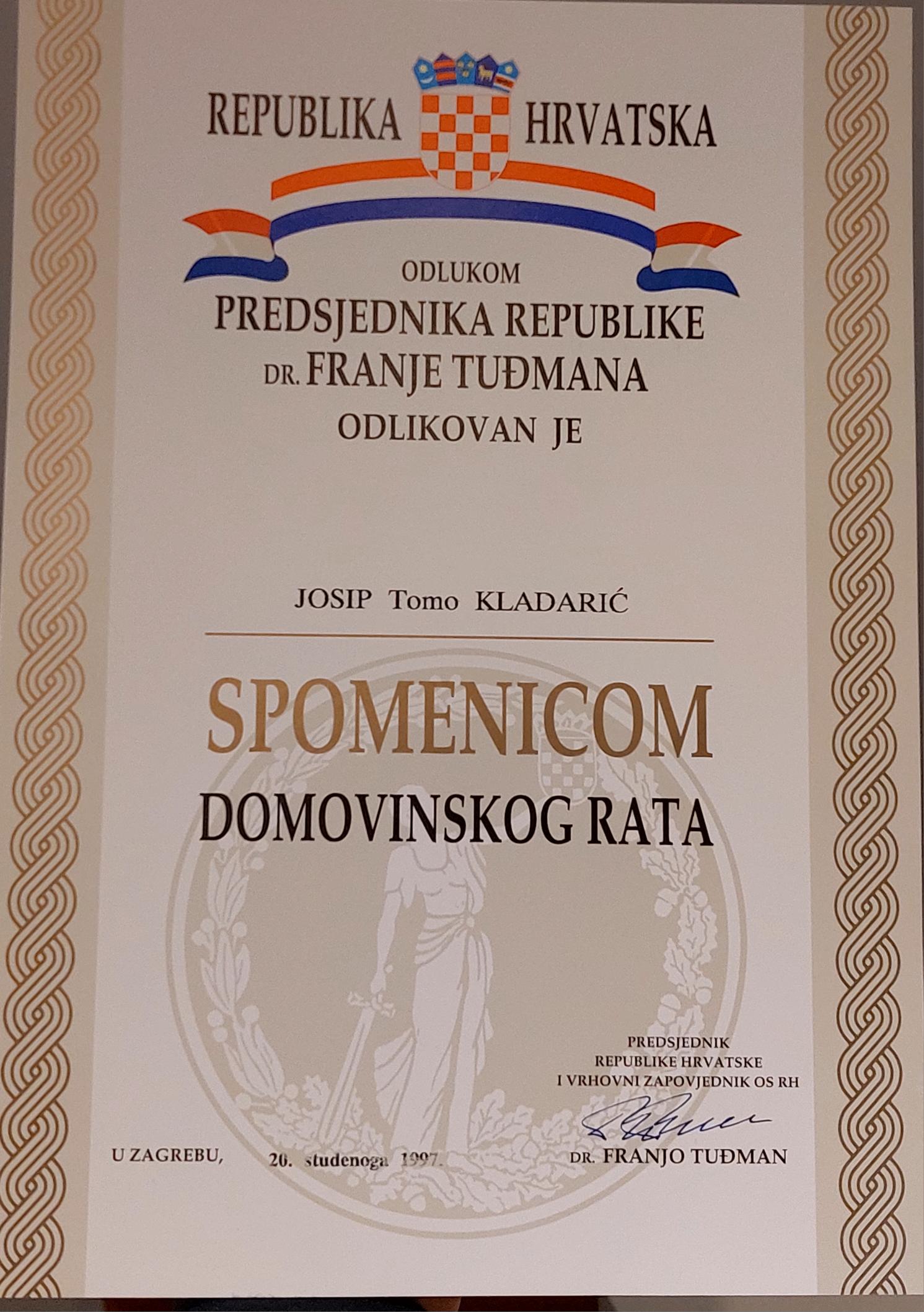
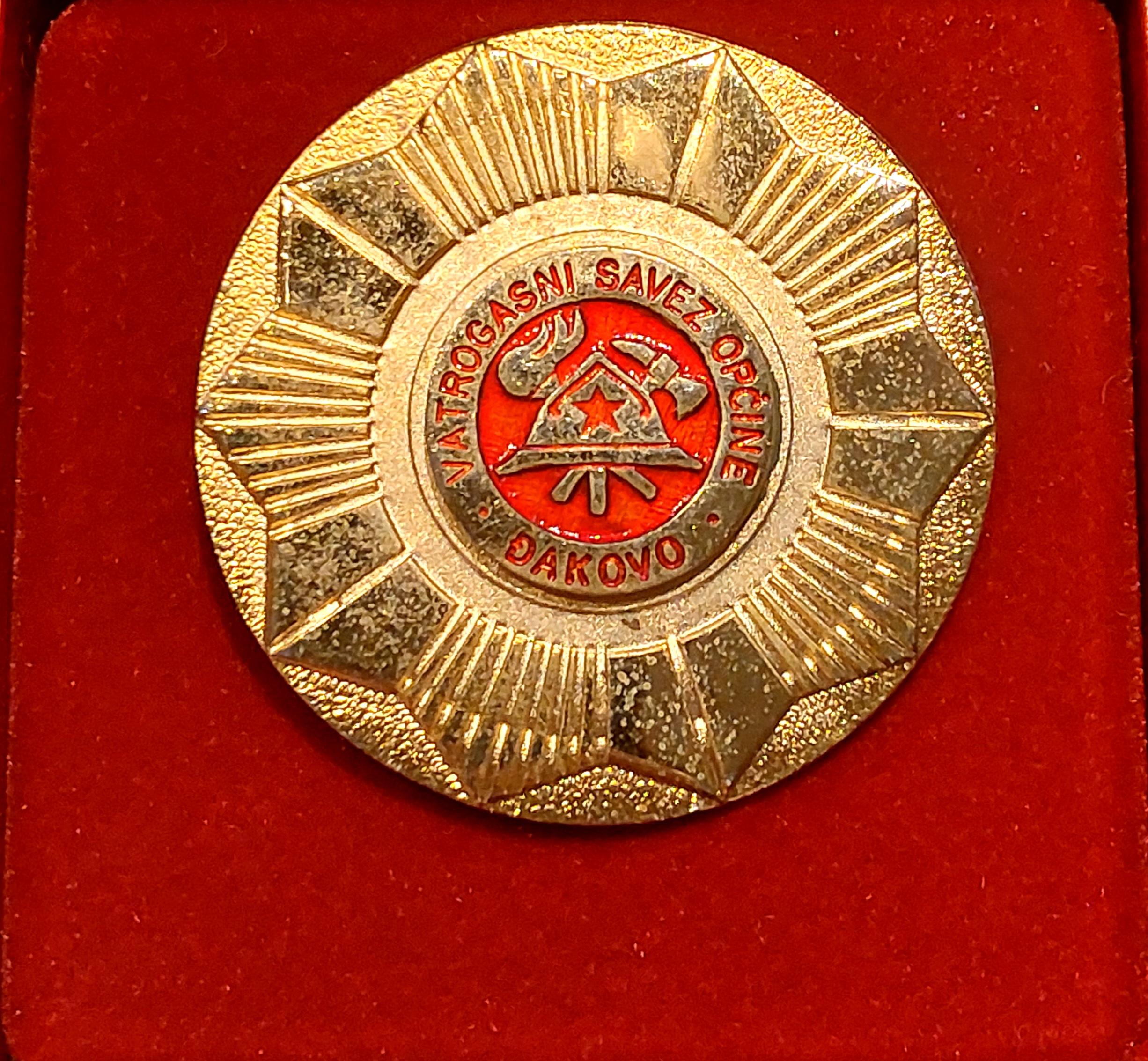
The photographs show my grandfather’s ceremonial firefighter uniform, diplomas, and medals. In conversation with him, I learned that the uniform is more than fifty years old. When I heard that, I was shocked. A uniform decades older than I am looks completely new—probably because it was worn only on special occasions. Unfortunately, the work uniform that witnessed real tragedies has not been preserved.
For many years, none of the items in the photographs saw the light of day. Even my grandfather seemed surprised by how much there was. The medals—of which there are many—speak volumes about his work and his success as a firefighter. The ones that left the strongest impression on me were those inscribed “For Bravery and Self-Sacrifice.” Looking at them, I feel a tightness in my stomach, a strange sensation—something like a faint stirring of fear. I think my grandfather feels it too. As he spoke about the interventions and events from 1991 to 1995, his face tightened. His eyebrows drew together, his mouth turned downward, and in his eyes I saw a reflection of sorrow mixed with sadness and a trace of unease.
He began his story with events that took place before the war. He mentioned that the Đakovo Fire Brigade, of which he was a member, was among the best in Croatia and in the former Yugoslavia. He said their only true competition was the brigade from Kaštela, and that the two units were in constant rivalry. At the national firefighting competitions held every four years, it was almost certain that either the team from Đakovo or the one from Kaštela would take first place. In addition to national competitions, he also competed at the European level. In Italy, his brigade achieved third place.
I am not sure why I chose to write about the Croatian War of Independence when these memories brought a smile to his face. Perhaps because war, even when told as a story, remains powerful and unforgettable.
When he shifted to the subject of the war, the smile slowly faded. Understandably so. He often had to leave his wife at home because of shifts—both day and night. He also feared for the lives of his sons, who were defenders of Croatia. From his stories, I gathered that the duty shifts were the hardest part of the job. Due to a shortage of personnel, my grandfather had to remain on duty for eight consecutive days before being relieved. During those eight days, he was not allowed to leave the fire station complex.
“I felt as if I were in a desert. The city center was only a few steps away, yet I had no idea what was happening there.”
The worst moments were when his shift was only an hour or two from ending and the alarm bell rang. In those moments, he would take the wheel of the fire engine and drive his unit to the site of a fire. I asked him where they most often went to extinguish fires. He replied that they monitored Đakovo and the surrounding area. I also asked what kinds of buildings they most frequently put out.
This was his answer:
“They didn’t choose. They destroyed, set fire to, and shot at whatever they could.”
“Dear God,” were the last words he spoke. And that is how our conversation ended.
My grandfather has been retired for many years, yet our surname is still known among the firefighters of Đakovo. Today, my uncle works in the same position. Though his heroism was hidden, I am proud that my grandfather was a war hero—risking his life and facing the flames to save his brothers.*
* The slogan of Croatian firefighters is: “Extinguish the fire, save your brother!”