In the archives our group was drawn towards the materiality of the zines, as well as objects of historical value and their contemporary adaptations. Archival materials became a way for us to connect to the actions of dissidents and freedom fighters of the past century and think about our own doings in 2025. The variations of the papers' materiality and its contrast (strong construction paper, fragile 'onion paper') inspired the form and look of our zine.
Charlotte Lemke, Villem Saar, and Szymon Szymański creators of the zine

Petit Madame in Progress
by Charlotte Lemke, Villem Saar, and Szymon Szymański
How did your zine come together?
We chose the topic of DIY and self-learning because we were interested in the process of creating samizdat, which we thought was unique to the field because of its deinstitutionalisation and the unique situation in creating the work. With this topic, we wanted to emulate the ways in which many early creators of samizdat worked, always learning new things and having to adapt to new situations.
Charlotte Lemke, Villem Saar, and Szymon Szymański creators of the zine
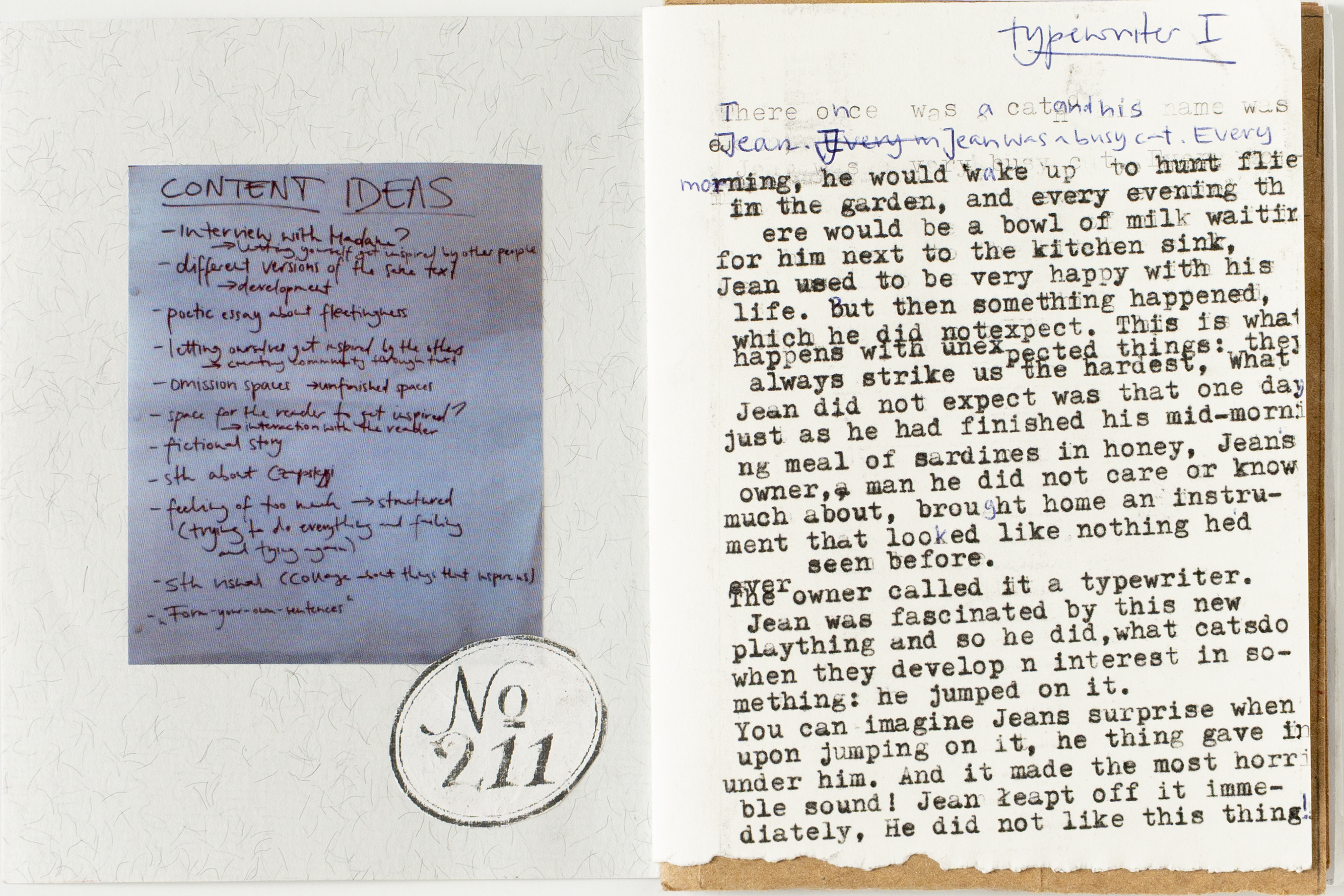
Our zine grew out of collaboration, shaped by a shared aesthetic and a desire to learn, experiment and embrace passionate amateurness. Inspired by the materiality of the samizdats we worked with, we combined many kinds of paper and mixed handwritten and typewritten forms to explore contrasts between softness and roughness, the poetic and the mundane. In the end, the zine became a sketch of a future work and a space for the free exchange of thoughts.
Charlotte Lemke, Villem Saar, and Szymon Szymański creators of the zine

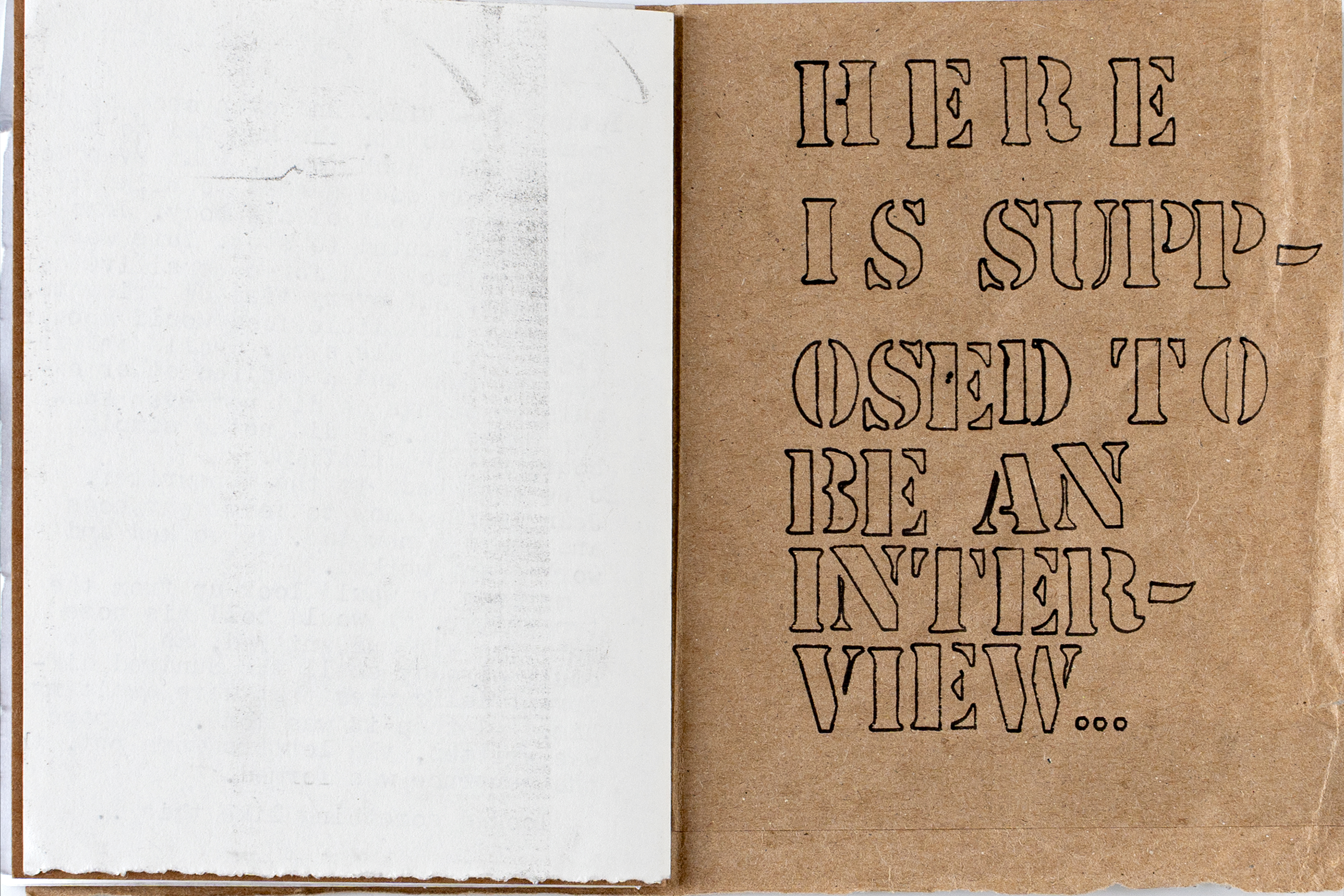
Read the Zine
About Freedom of Speech Beyond Borders
This zine was created as part of Freedom of Speech Beyond Borders, an interdisciplinary educational project introducing young people to the history of the struggle against censorship during the Cold War. The programme combines online seminars with study visits to European archives and memory sites, where participants explore the legacy of samizdat and tamizdat literature. Through archival research, workshops, and creative practice, participants collaborate to produce DIY publications inspired by underground publishing traditions.
Learn more about the project
The project is co-financed by the Ministry of Culture and National Heritage of Poland within the framework of the Inspiring Culture Programme.
Partners
Organiser

Partners


ENRS is funded by: