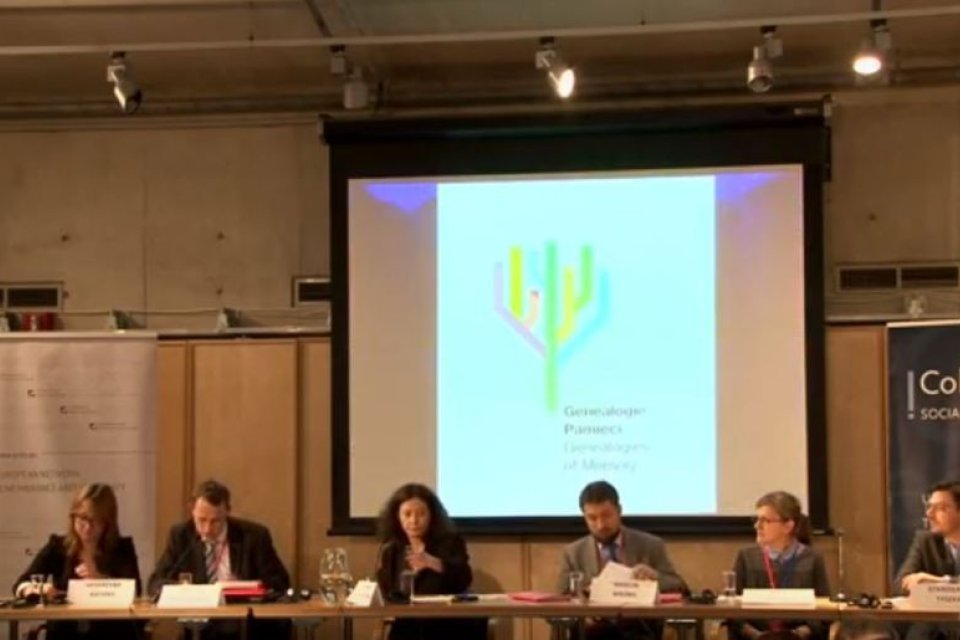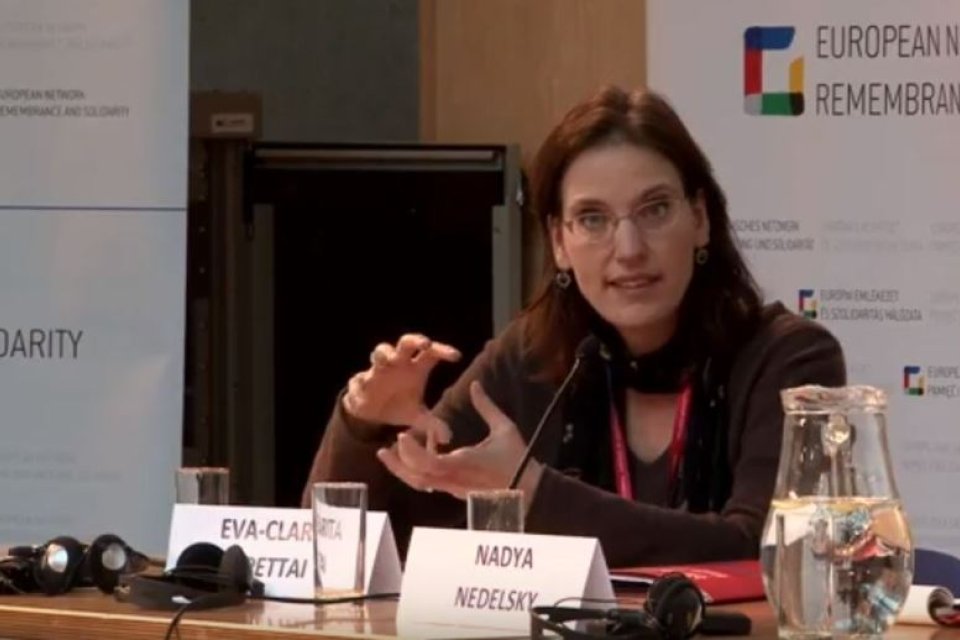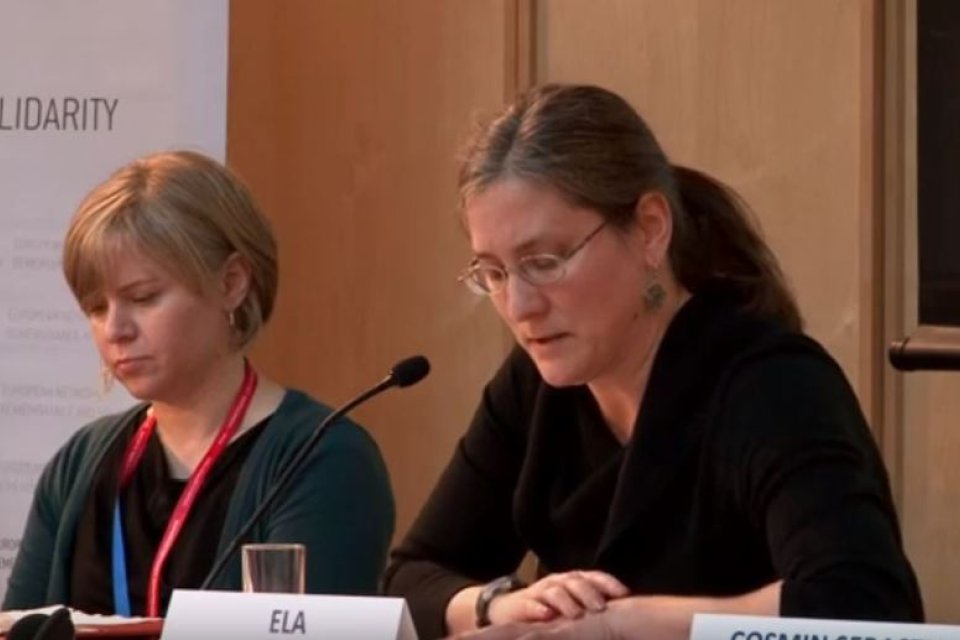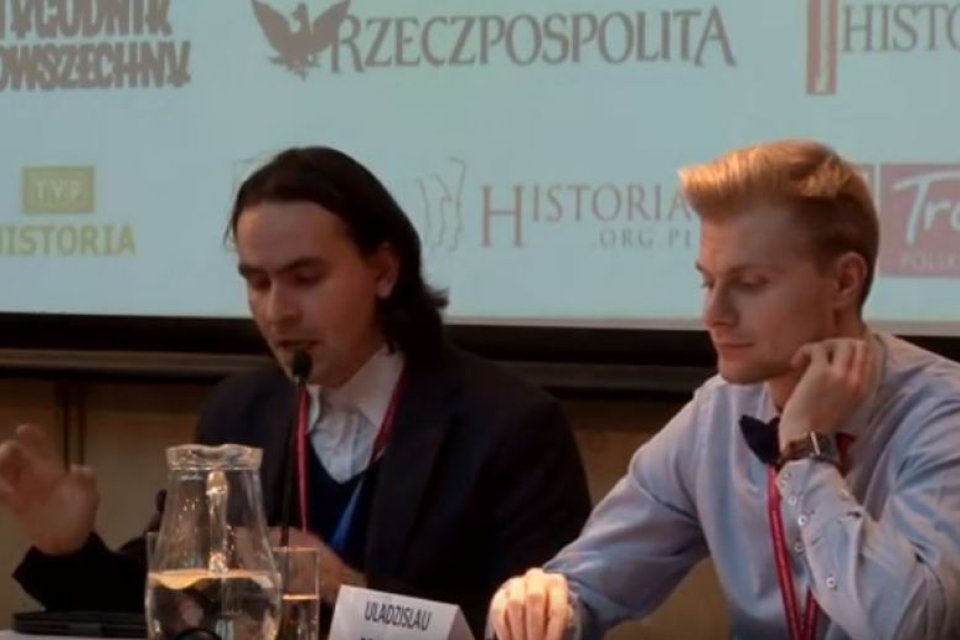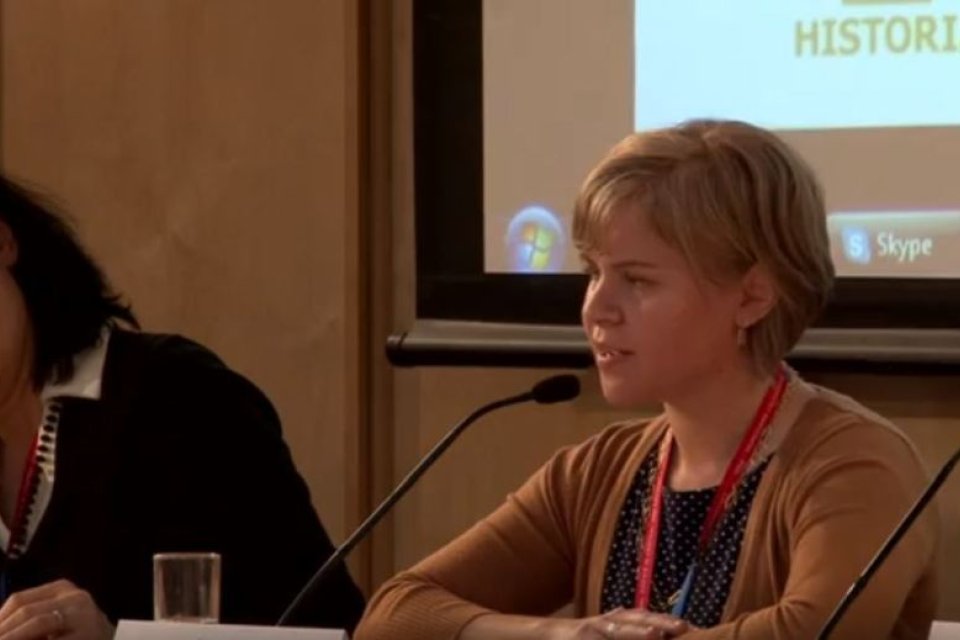
Uroczyste otwarcie konferencji "Prawne ramy pamięci. Sprawiedliwość okresu transformacji w Europie Środkowej i Wschodniej".
Warszawa 27-29 listopada 2013.
Browse our videos! Here you can find recordings from our events, including the European Remembrance Symposia and Genealogies of Memory conferences, video summaries of our educational youth projects, as well as Hi-story lessons animations for teachers and pupils.
Uroczyste otwarcie konferencji "Prawne ramy pamięci. Sprawiedliwość okresu transformacji w Europie Środkowej i Wschodniej".
Warszawa 27-29 listopada 2013.
Welcome address at the Legal Frames of Memory conference, 27-29 November 2013.
The guests were welcomed by Rafał Rogulski, director of European Network Remembrance and Solidarity; Małgorzata Omilanowska, Under-Secretary of State, the Ministry of Culture and National Heritage; Wojciech Węgrzyn, Under-Secretary of State, the Ministry of Justice; Małgorzata Pakier and Stanisław Tyszka, conference convenors.
O instytutach pamięci narodowej, problemie dostępu do archiwów, o rehabilitacji więźniów politycznych i lustracji oraz ściganiu sprawców zbrodni w krajach Europy Środkowej i Wschodniej rozmawiali: ambasador Rüdiger Freiherr von Fritsch, dr Łukasz Kamiński, dr Dragoş Petrescu i prof. János Simon.
Debata w ramach projektu Genealogie Pamięci (21.11.2013)
O instytutach pamięci narodowej, problemie dostępu do archiwów, o rehabilitacji więźniów politycznych i lustracji oraz ściganiu sprawców zbrodni w krajach Europy Środkowej i Wschodniej rozmawiali: ambasador Rüdiger Freiherr von Fritsch, dr Łukasz Kamiński, dr Dragoş Petrescu i prof. János Simon.
Debata w ramach projektu Genealogie Pamięci (21.11.2013)
O instytutach pamięci narodowej, problemie dostępu do archiwów, o rehabilitacji więźniów politycznych i lustracji oraz ściganiu sprawców zbrodni w krajach Europy Środkowej i Wschodniej rozmawiali: ambasador Rüdiger Freiherr von Fritsch, dr Łukasz Kamiński, dr Dragoş Petrescu i prof. János Simon.
Debata w ramach projektu Genealogie Pamięci (21.11.2013)
O instytutach pamięci narodowej, problemie dostępu do archiwów, o rehabilitacji więźniów politycznych i lustracji oraz ściganiu sprawców zbrodni w krajach Europy Środkowej i Wschodniej rozmawiali: ambasador Rüdiger Freiherr von Fritsch, dr Łukasz Kamiński, dr Dragoş Petrescu i prof. János Simon.
Debata w ramach projektu Genealogie Pamięci (21.11.2013)
O instytutach pamięci narodowej, problemie dostępu do archiwów, o rehabilitacji więźniów politycznych i lustracji oraz ściganiu sprawców zbrodni w krajach Europy Środkowej i Wschodniej rozmawiali: ambasador Rüdiger Freiherr von Fritsch, dr Łukasz Kamiński, dr Dragoş Petrescu i prof. János Simon.
Debata w ramach projektu Genealogie Pamięci (21.11.2013)
ALEKSIEJ LEWINSON - socjolog z niezależnego moskiewskiego Centrum Analitycznego Jurija Lewady, autor badań dotyczących pamięci zbiorowej w Rosji
ALEKSIEJ MILLER - historyk, profesor Rosyjskiej Akademii Nauk i Uniwersytetu Środkowoeuropejskiego w Budapeszcie, specjalista w zakresie historii nacjonalizmu, polityki historycznej i historiografii w Europie Środkowej i Wschodniej
Spotkanie odbyło się 16 października 2013 r. w ramach cyklu „Genealogie Pamięci w Europie Środkowej i Wschodniej"
WŁODZIMIERZ BORODZIEJ - historyk, profesor Uniwersytetu Warszawskiego, współkieruje Kolegium Imre Kertésza przy Uniwersytecie Friedricha Schillera w Jenie
Spotkanie odbyło się 16 października 2013 r. w ramach cyklu „Genealogie Pamięci w Europie Środkowej i Wschodniej"
ALEKSIEJ MILLER - historyk, profesor Rosyjskiej Akademii Nauk i Uniwersytetu Środkowoeuropejskiego w Budapeszcie, specjalista w zakresie historii nacjonalizmu, polityki historycznej i historiografii w Europie Środkowej i Wschodniej
Spotkanie odbyło się 16 października 2013 r. w ramach cyklu „Genealogie Pamięci w Europie Środkowej i Wschodniej"
ALEKSIEJ LEWINSON - socjolog z niezależnego moskiewskiego Centrum Analitycznego Jurija Lewady, autor badań dotyczących pamięci zbiorowej w Rosji
Spotkanie odbyło się 16 października 2013 r. w ramach cyklu „Genealogie Pamięci w Europie Środkowej i Wschodniej"
Manche Teile des Videos sind auf Englisch. Die Abschlussdiskussion mit prof. Jan Rydel (ENRS), Dr Oldřich Tůma (Akademie von Wissenschaften von Tschechien) and Matthias Weber (Schlesische Historikerkommission), J.G. Herder (Forschungsrat).
Europäische Erinnerung. Das zweite Symposium der europäischen Einrichtungen, die sich mit der Geschichte des 20. Jahrhunderts beschäftigen, Berlin, 10-12. Oktober 2013
Fast 200 Vertreter von 120 Institutionen und nichtstaatlichen Organisationen, die sich auf die Geschichte des 20. Jahrhunderts konzentrieren, haben über die Form und Natur der zeitgenössischer Kultur der Erinnerung und allgemeiner historischer Bildung. Die Veranstaltung wurde von Europäischem Netzwerk Erinnerung und Solidarität, Bundesstiftung zur Aufarbeitung der SED-Diktatur und Europäischem Zentrum für Solidarität organisiert.
Europäische Erinnerung. Das zweite Symposium der europäischen Einrichtungen, die sich mit der Geschichte des 20. Jahrhunderts beschäftigen, Berlin, 10-12. Oktober 2013
Fast 200 Vertreter von 120 Institutionen und nichtstaatlichen Organisationen, die sich auf die Geschichte des 20. Jahrhunderts konzentrieren, haben über die Form und Natur der zeitgenössischer Kultur der Erinnerung und allgemeiner historischer Bildung. Die Veranstaltung wurde von Europäischem Netzwerk Erinnerung und Solidarität, Bundesstiftung zur Aufarbeitung der SED-Diktatur und Europäischem Zentrum für Solidarität organisiert.
Johannes Bach Rasmussen talks about Baltic Initiative and Network.
European Remembrance. The second Symposium of European institutions dealing with 20th-century history, Berlin, 10-12 October 2013
Almost 200 representatives from 120 institutions and non-governmental organisations focussing on 20th-century history from 23 European countries discussed the form and nature of the contemporary culture of remembrance and associated historical education.
The event was organised by European Network Remembrance and Solidarity, the Federal Foundation for the Reappraisal of the SED Dictatorship, and the European Solidarity Centre.
Herausforderungen und Defizite in europäischer Vernetzung – Präsentation von dem Europäischen Netzwerk von den für Geheimdienstakten verantwortlichen offiziellen Behörden von Hans Altendorf
Europäische Erinnerung. Das zweite Symposium der europäischen Einrichtungen, die sich mit der Geschichte des 20. Jahrhunderts beschäftigen, Berlin, 10-12. Oktober 2013
Fast 200 Vertreter von 120 Institutionen und nichtstaatlichen Organisationen, die sich auf die Geschichte des 20. Jahrhunderts konzentrieren, haben über die Form und Natur der zeitgenössischer Kultur der Erinnerung und allgemeiner historischer Bildung. Die Veranstaltung wurde von Europäischem Netzwerk Erinnerung und Solidarität, Bundesstiftung zur Aufarbeitung der SED-Diktatur und Europäischem Zentrum für Solidarität organisiert.
Parts of the recording in German. Wolf Kaiser (Haus der Wannsee-Konferenz), Pavel Tychtl (European Commission) and Rafał Rogulski (Director of ENRS) answer questions about European remembrance.
European Remembrance. The second Symposium of European institutions dealing with 20th-century history, Berlin, 10-12 October 2013
Almost 200 representatives from 120 institutions and non-governmental organisations focussing on 20th-century history from 23 European countries discussed the form and nature of the contemporary culture of remembrance and associated historical education.
The event was organised by European Network Remembrance and Solidarity, the Federal Foundation for the Reappraisal of the SED Dictatorship, and the European Solidarity Centre.